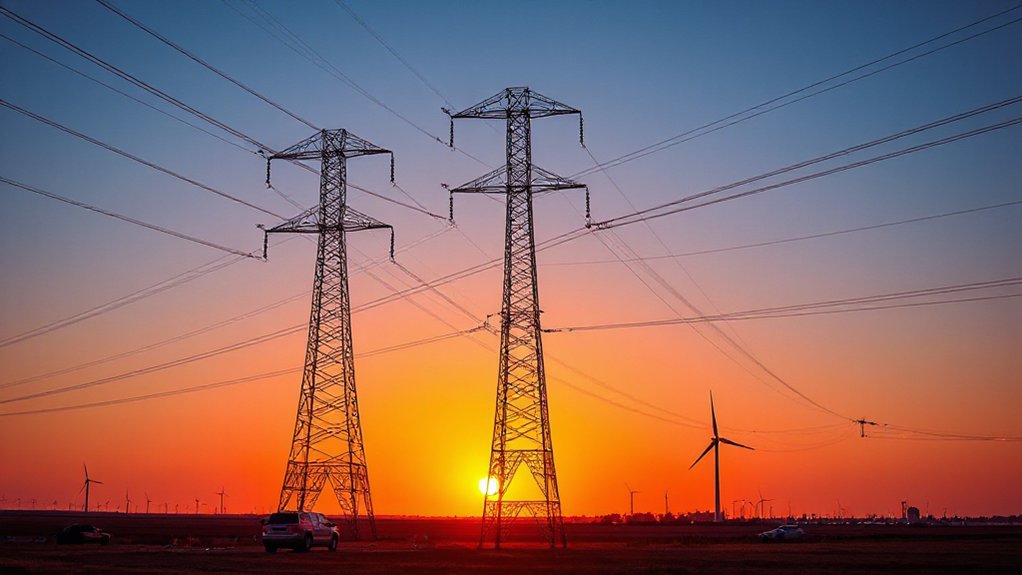
Why are Americans about to get zapped with skyrocketing electric bills? Search no further than the $31 billion in rate hike requests investor-owned utilities are seeking for 2025. Double last year’s ask. Not a typo.
The South is taking the biggest hit. Over $14 billion in requests, with Florida Power and Light leading the charge at a cool $9 billion. They blame population growth and extreme weather. Regulators nodded and approved almost everything. Shocking, right?
Meanwhile, wholesale electricity prices aren’t doing consumers any favors, forecast to jump 23% to $47/MWh in 2025, then climbing to $51/MWh in 2026. Your residential bill? Expect a 5% increase next year, followed by another 4.2% in 2026. Electricity prices rising faster than inflation since 2022. Math doesn’t lie.
Electricity bills outpacing inflation since 2022. Get ready for another 5% hit in 2025, then 4.2% more in 2026.
The culprit behind this surge isn’t just your neighbor’s pool heater. Data centers and AI buildout are reshaping the energy landscape. Texas alone will contribute 34% of the nation’s sales increase in 2025, ballooning to 66% in 2026. Big Tech needs big power. Even Microsoft has announced it will cover its own costs to address mounting public concerns over their energy consumption.
Utilities aren’t complaining about this demand. They’ve planned a staggering $1.1 trillion for grid expansion over the next five years. Ka-ching!
Natural gas prices are heading north too – $3.90/MMBtu this winter, $4/MMBtu in 2026, thanks to LNG exports. This surge is exacerbated by flat production growth amid increasing demand, directly impacting electricity generation costs. A transition toward renewable energy sources could provide long-term price stability compared to the volatility of fossil fuel markets.
Winter bills? Up 9% from November to March. Bundle up or pay up.
The regional impact varies wildly. Virginia’s Dominion Energy customers will see bills rise by an average $13.60 by 2027. State regulators keep approving these increases while PowerLines advocates for customers.
Here’s the brutal reality: everyone pays, but not equally. Areas with data center concentrations – Texas, Virginia, Georgia, Midwest – feel the crunch hardest. Carnegie Mellon researchers project an 8% bill increase just from data center growth.
References
- https://www.businessinsider.com/electric-bills-surge-utilities-31b-rate-increases-2025-2026-1
- https://www.utilitydive.com/news/electricity-prices-demand-to-continue-rising-in-2026-eia/805395/
- https://san.com/cc/electricity-prices-set-for-another-jump-in-2026/
- https://www.spglobal.com/energy/en/news-research/podcasts/energy-evolution/123025-rising-prices-rising-capex-whats-ahead-for-the-us-power-sector-in-2026
- https://www.energyby5.com/blogs/the-coming-surge-what-large-energy-users-need-to-know-about-2026-electricity-prices
- https://www.eia.gov/todayinenergy/detail.php?id=65284
- https://www.wri.org/insights/whats-driving-us-electricity-prices
- https://www.eei.org/en/news/news/all/new-analysis-finds-us-electricity-rates-have-remained-stable-in-a-majority-of-states