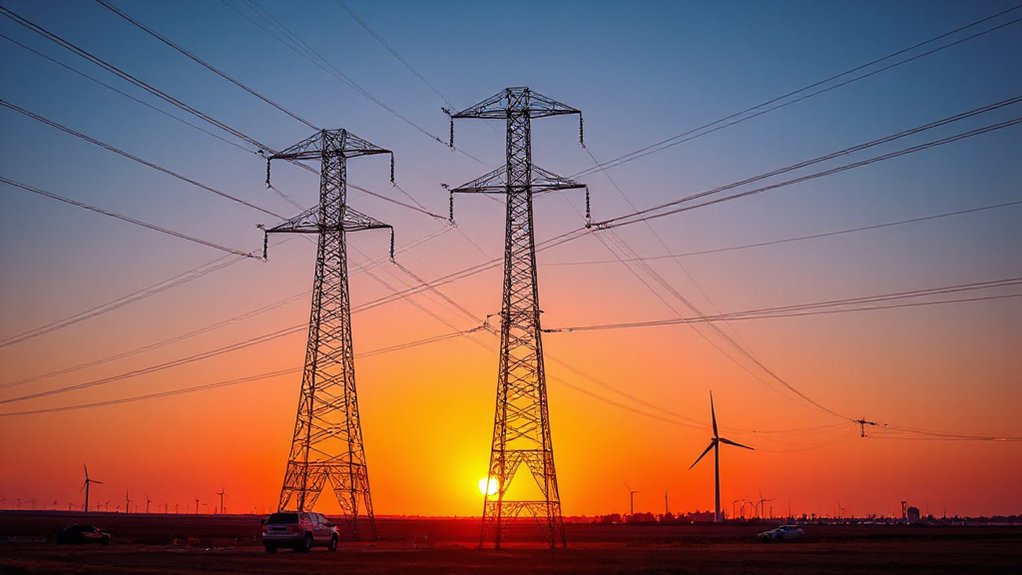
While Americans plug in more devices than ever before, the nation’s electrical grid is straining under unprecedented demand growth not seen since the 1980s. Projections show electricity consumption will hit 4,260 billion kilowatt-hours by 2026—up from 4,110 billion in 2024. And summer? It’s becoming a power-sucking monster with third-quarter usage expected to blast past 1,200 billion kilowatt-hours.
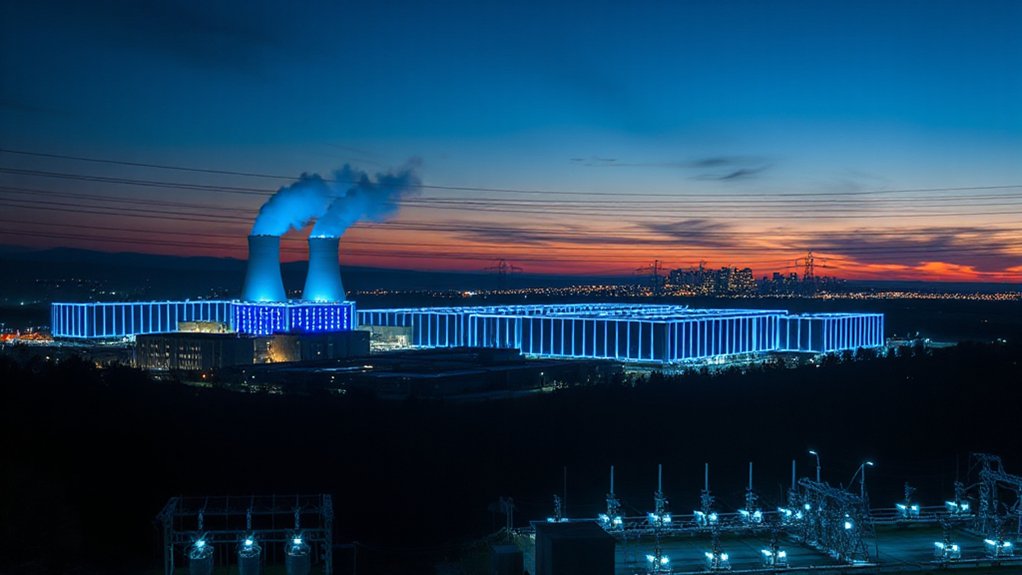
Let’s be honest: data centers are eating electricity like teenagers raid refrigerators. These digital beasts, especially ones running AI workloads, gulp down power continuously. Some consume as much juice as entire small cities. Talk about power-hungry neighbors.
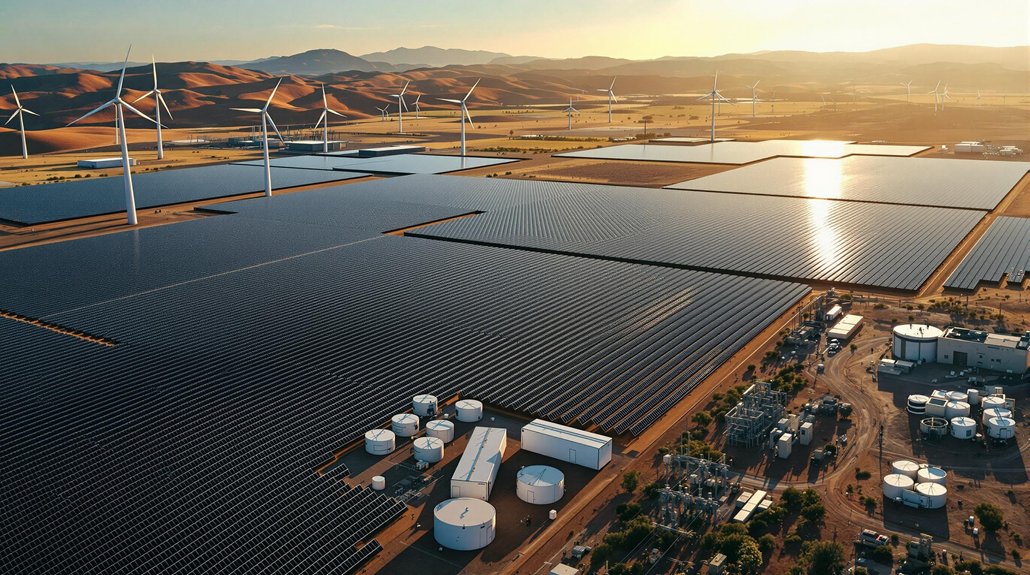
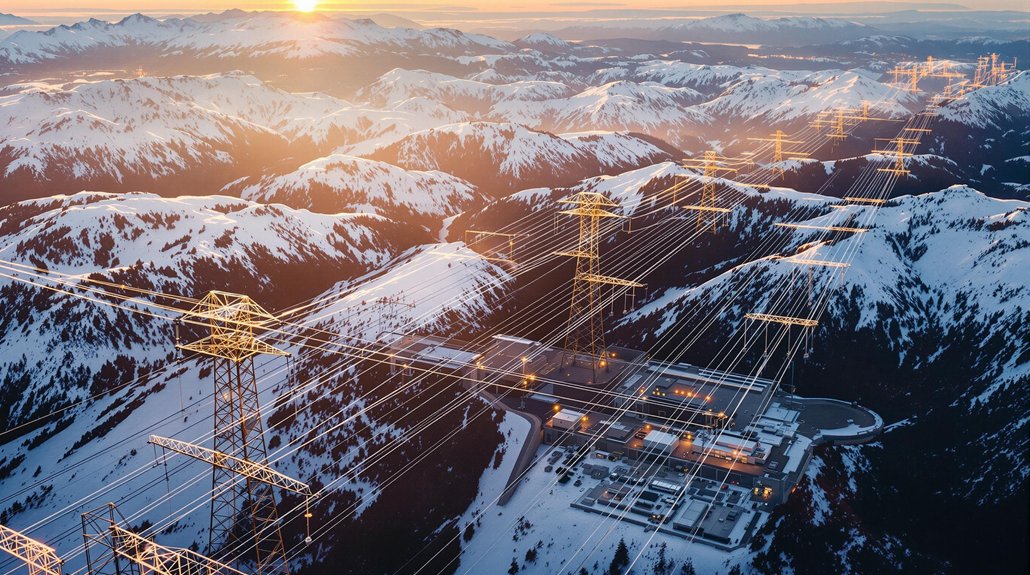
The timing couldn’t be worse. Our transmission infrastructure is basically your grandpa’s hand-me-down suit—outdated and struggling to keep up with modern demands. The transition to renewable energy sources, which currently power 29.1% of electricity generation globally, adds another layer of complexity to grid management. Utilities are scrambling. Regulators are drowning in interconnection requests.
Meanwhile, global supply chain issues are throwing wrenches into construction timelines for new power plants. Perfect storm? You bet.
PJM, the nation’s largest grid operator, faces a particularly grim outlook. About 40 GW—that’s 21% of their firm capacity—could vanish by 2030 due to retirements. Not exactly reassuring when everyone wants more power, not less.
At least FERC is trying. Their Order No. 2023 cut speculative projects clogging interconnection queues by more than half in major markets like CAISO, NYISO, and PJM. Small victories matter.
State and federal officials are now locked in turf wars over who’ll manage this crushing load growth. The average interconnection processing time remains 53 months long, further complicating the rapid deployment of new generation resources. Commercial sectors are driving the highest electricity demand growth, outpacing both residential and industrial consumption patterns. Customers just care about keeping their lights on—and their AI chatbots running.
Generation capacity is expected to reach 4,400 TWh by 2026, potentially climbing to 5,200 TWh by 2030. That’s a 24% jump from 2023. Impressive on paper, but whether it materializes fast enough is the trillion-dollar question facing an increasingly electrified America.
References
- https://www.jdsupra.com/legalnews/2026-us-data-centers-and-energy-key-7316575/
- https://nzero.com/blog/u-s-power-demand-hits-new-highs-driven-by-data-centers-ai-and-grid-constraints/
- https://www.mlstrategies.com/insights-center/viewpoints/53996/2026-01-26-_026-energy-outlook-how-affordability-data-centers-and
- https://www.utilitydive.com/news/utility-electricity-trends-outlook-2026/810990/
- https://energy.briggsandstratton.com/na/en_us/resources/article-categories/resource-articles/2026-energy-outlook.html
- https://www.yesenergy.com/blog/changes-to-the-us-electric-grid-and-how-to-prepare
- https://broadandliberty.com/2026/02/03/faster-smarter-and-more-realistic-power-grid-charts-path-forward-for-ai/
- https://www.energy.gov/articles/fact-sheet-trump-administration-outlines-plan-build-big-power-plants-again