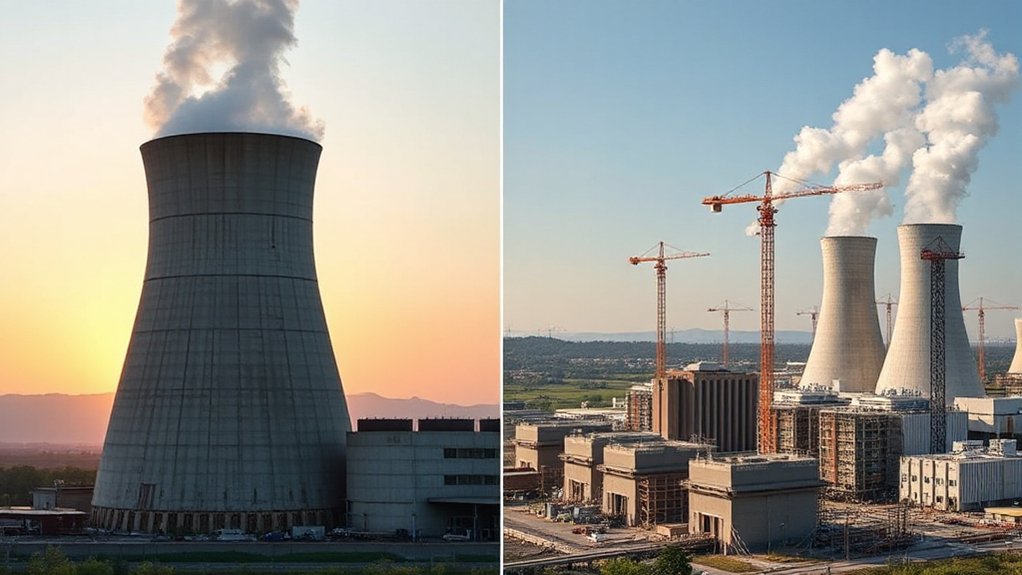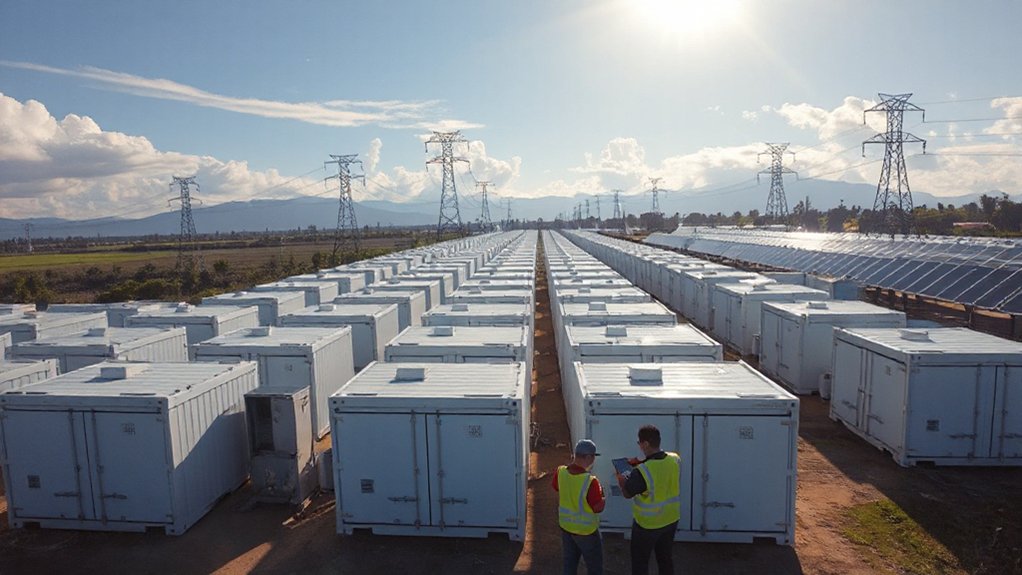
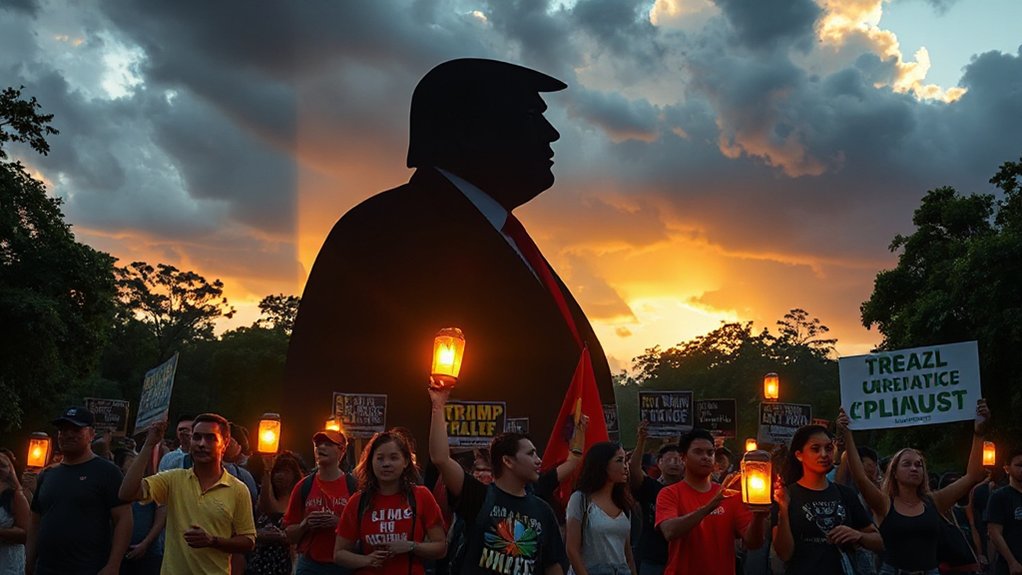
While America’s once-dominant nuclear industry has stagnated for decades, a sudden jolt of political electricity now promises to revive it. In May 2025, President Trump slammed down four executive orders with an audacious goal: quadruple U.S. nuclear output to 400 gigawatts by mid-century. Bold move for a country that took 15 years and $35 billion to build its last two reactors. Good luck with that timeline, folks.
America’s nuclear dreams return with a presidential jolt—but can political willpower overcome decades of industry inertia?
The orders slash reactor approval times to 18 months—a pace that would make regulatory veterans choke on their coffee. They also direct the NRC to toss outdated radiation models and consider economic benefits alongside safety. Revolutionary stuff, or dangerous corner-cutting? Depends who you ask.
Nuclear already supplies nearly 20% of America’s electricity and half its carbon-free energy. Now Westinghouse plans ten new reactors while tech giants like Google jump aboard, bringing AI muscle to design and construction. Everyone suddenly loves atoms when data centers need reliable power. Colorado recently joined this trend by redefining nuclear as clean energy for the first time since 1989. Amazon is investing $500 million in X-energy to secure 5 gigawatts of power for its rapidly expanding operations. Funny how that works.
The enthusiasm crosses party lines. Biden’s ADVANCE Act and the Inflation Reduction Act’s tax credits laid groundwork before Trump’s executive blitz. Politicians agree on something? Mark your calendars.
But ambitious goals meet stubborn realities. The nuclear workforce needs to triple by 2050, yet engineering graduates are dropping. Supply chains have withered while China and Russia built theirs. Kairos Power offers a glimmer of hope with demonstration plants already under construction and expected to operate by 2027. America’s industrial muscles have atrophied from disuse.
The government’s also eyeing nuclear waste reprocessing—despite having zero operational facilities. Meanwhile, tech partnerships bloom as Idaho National Laboratory pushes innovation in fuels and safety.
This nuclear revival is pitched as national security: powering military bases, AI infrastructure, reducing foreign dependence. Energy independence with a patriotic glow.
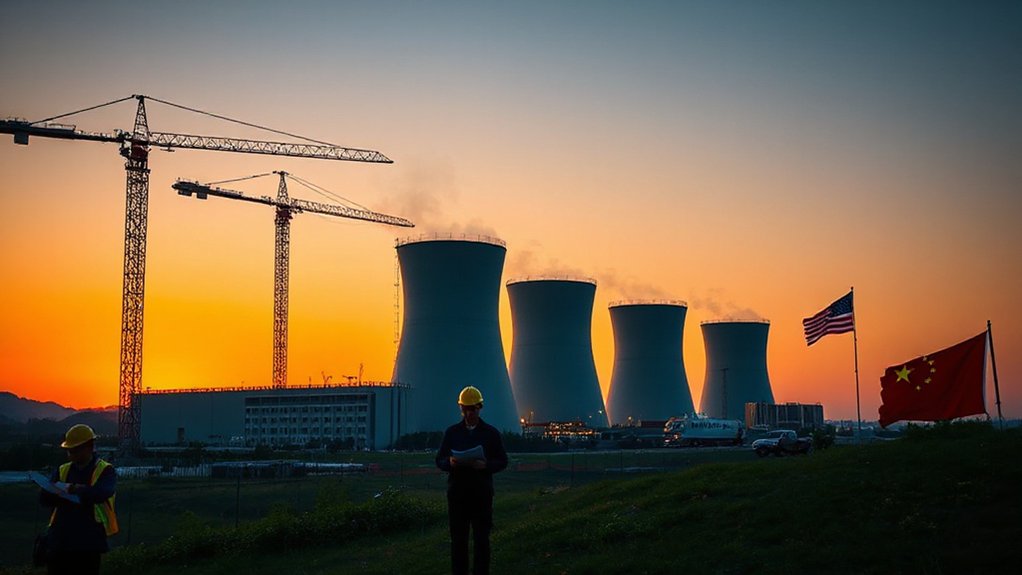
Will this $80 billion bet pay off? The clock’s ticking, and China’s watching with interest. America’s nuclear renaissance faces formidable obstacles—but hey, nothing motivates like a superpower rivalry.
References
- https://www.developmentaid.org/news-stream/post/199335/u-s-nuclear-renaissance-meets-a-40-year-waste-management-crisis
- https://undark.org/2025/09/08/trump-nuclear-renaissance/
- https://www.morganstanley.com/insights/articles/nuclear-energy-investment-renaissance-2050
- https://www.ans.org/news/2025-08-22/article-7302/from-remediation-to-renaissance-our-nuclear-future-begins-with-cleanup/
- https://carnegieendowment.org/research/2025/10/the-social-costs-of-an-ai-led-nuclear-energy-renaissance?lang=en
- https://www.goldmansachs.com/insights/articles/new-nuclear-age-why-the-world-is-rethinking-atomic-power
- https://www.cato.org/regulation/fall-2025/next-nuclear-renaissance