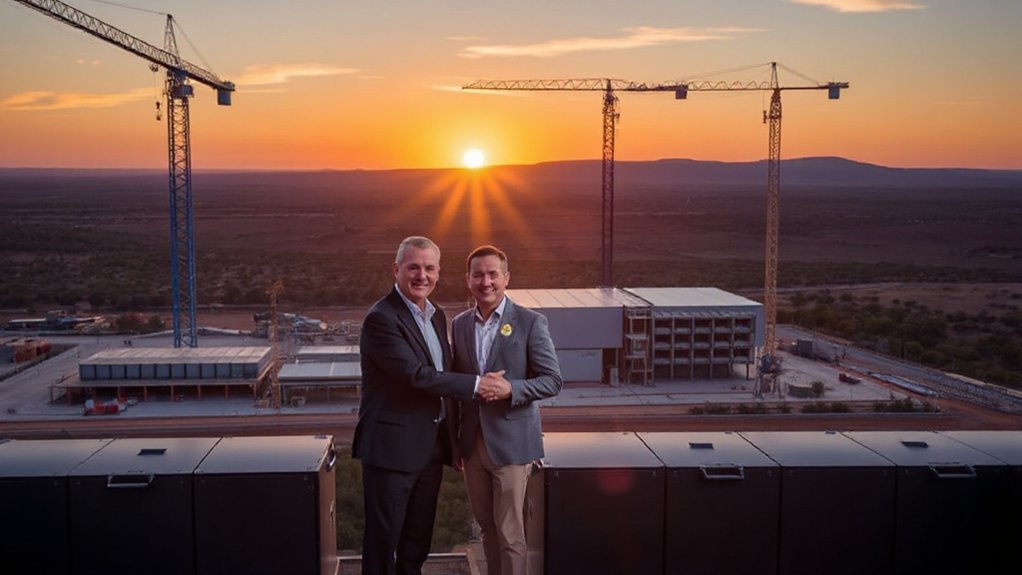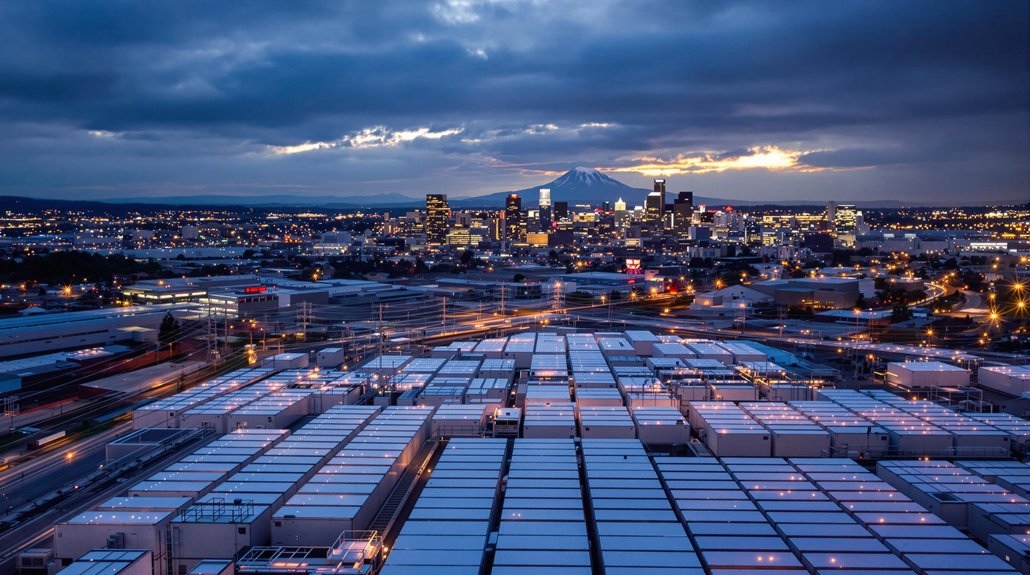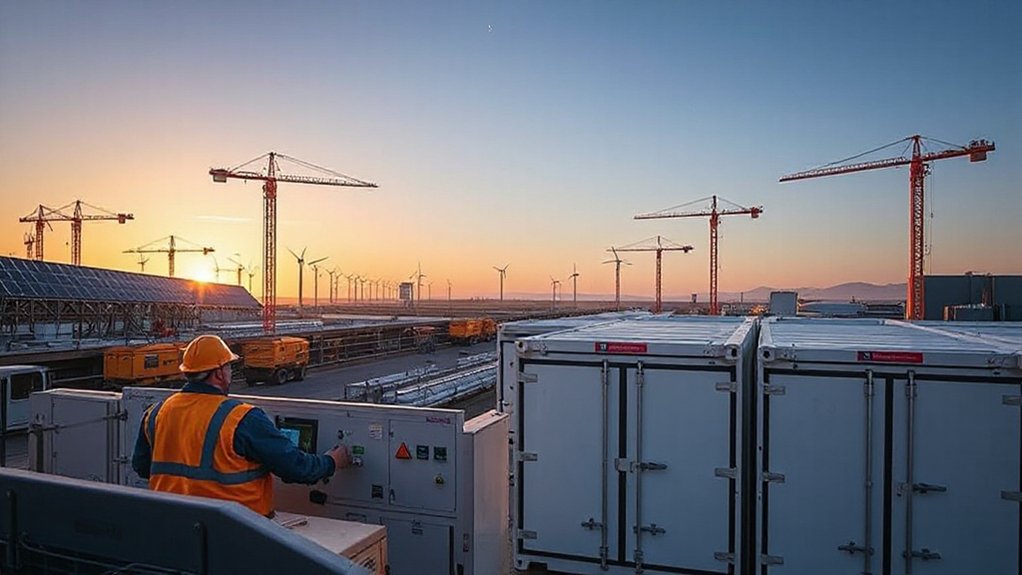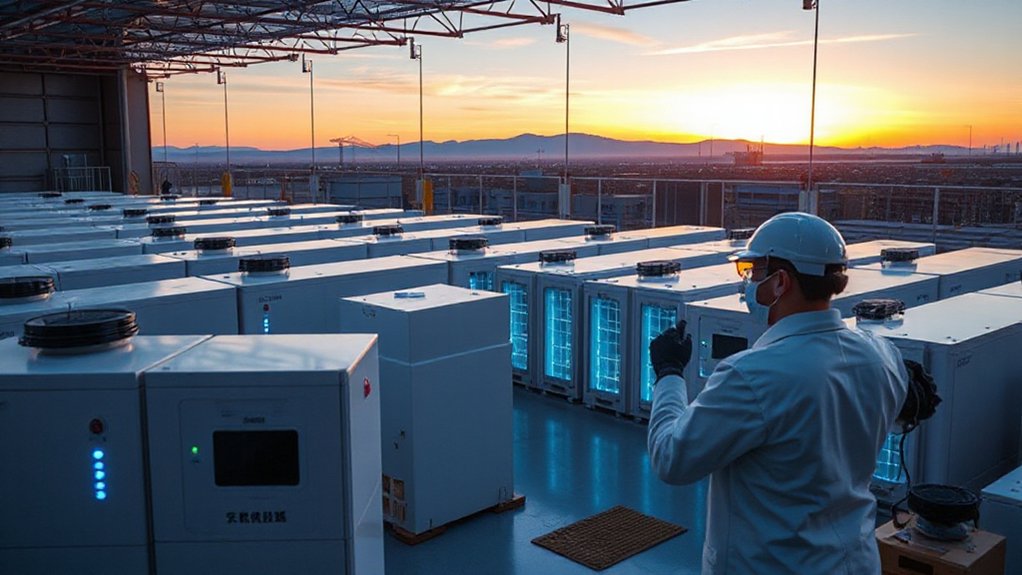
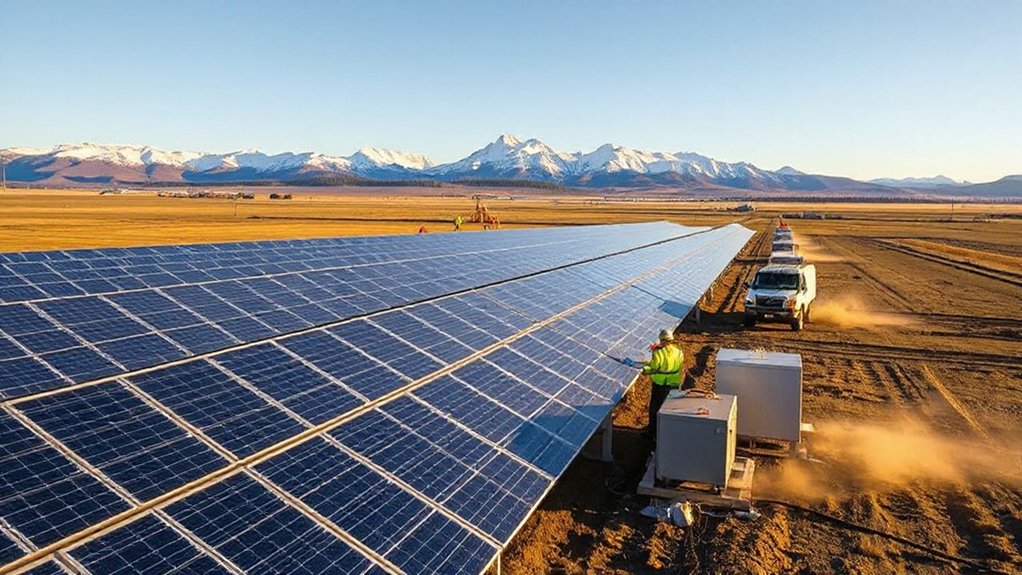
While much of the world debates clean energy, the Philippines is quietly mounting its own energy revolution. The recent $80 million battery storage deal isn’t just another investment—it’s the backbone of a massive shift. Let’s face it: a country where some island grids still run on 7% renewables has nowhere to go but up.
The Philippines’ ambitious energy plans aren’t messing around. They’re targeting 35% renewable energy by 2030 and a whopping 50% by 2050. Sounds nice on paper, right? But with electricity demand growing at 5% annually thanks to rapid urbanization, they’ll need more than just goals.
Bold plans, ambitious targets—but the Philippines needs more than lofty goals to match its 5% annual electricity demand growth.
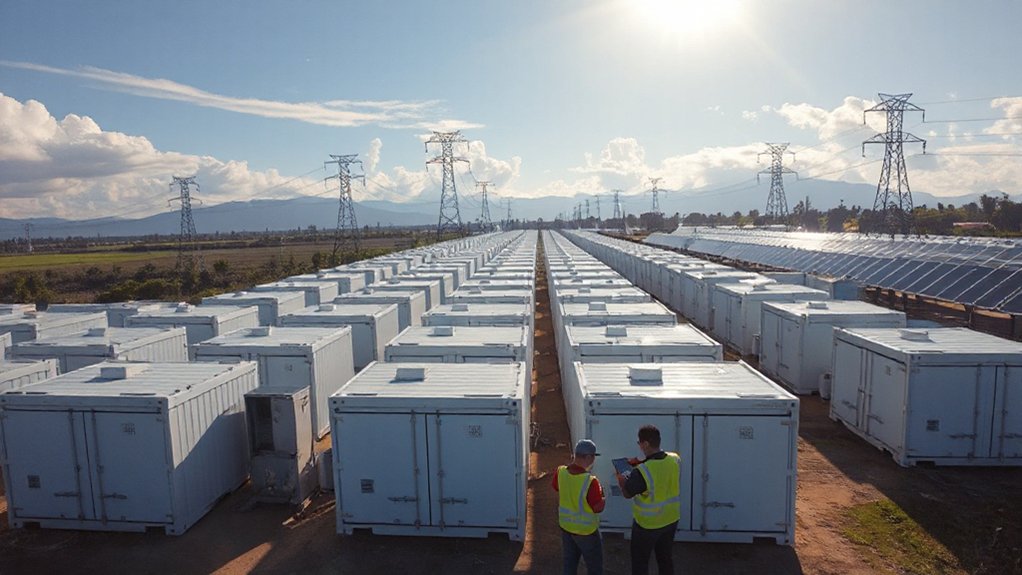
That’s where the private sector comes in. ACEN isn’t waiting around—they’ve already hit 5 GW of renewables ahead of schedule and are gunning for 20 GW by 2030. Meralco PowerGen is building the world’s largest integrated solar and battery storage facility. These aren’t small moves.
The government’s finally getting out of its own way. Liberalized renewable energy ownership, streamlined permitting through EVOSS, and Green Lanes for priority projects have investors actually excited. No VAT on renewable equipment helps too. About time.
But let’s not kid ourselves—challenges are massive. The grid is weak. Capital costs are astronomical—PHP 10.7 trillion for 2029-2050 isn’t pocket change. And good luck finding enough skilled workers or suitable land.
Regional integration might save the day. The Philippines is driving enhanced ASEAN Power Grid implementation in 2026, potentially solving some of these headaches. They’re betting big on offshore wind too, with auctions targeting 3,300 MW capacity.
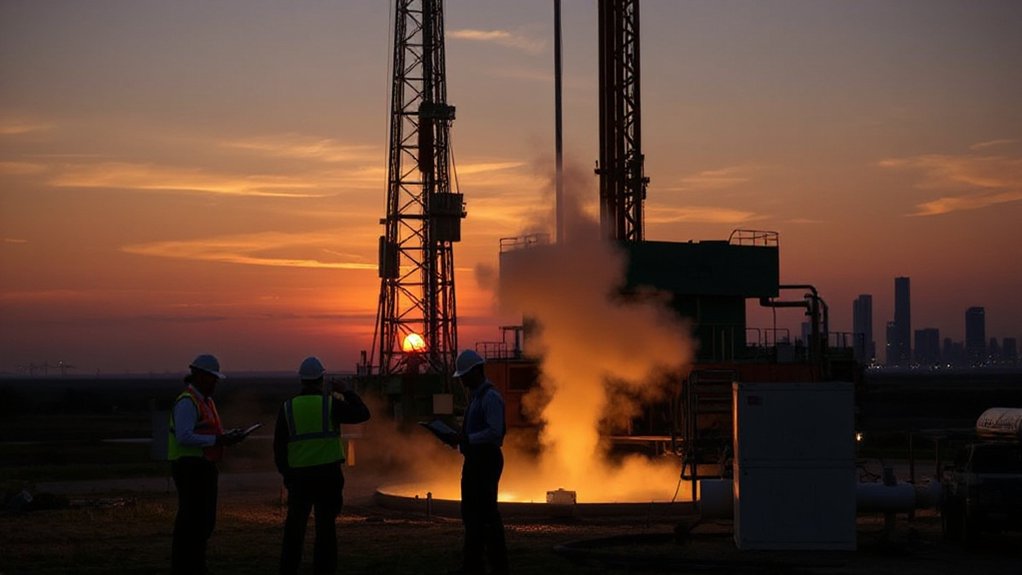
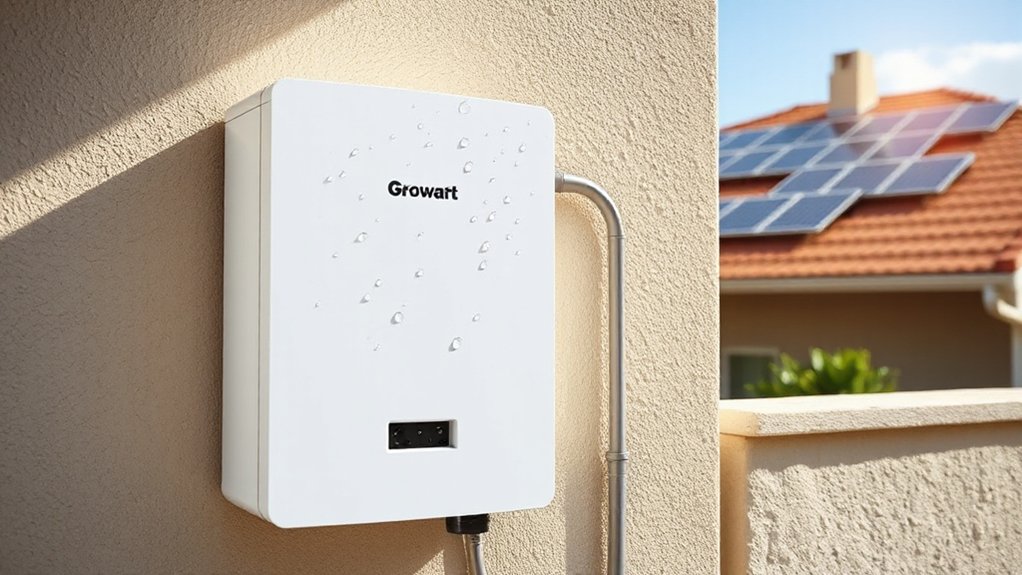
The battery storage deal matters because it addresses the Achilles’ heel of renewable energy—intermittency. Unlike nuclear power which offers clean energy 24/7, the Philippines must rely on innovative storage solutions to make renewables viable. Natural gas is positioned as the interim baseload, but storage is the real game-changer. For a nation dependent on imported fossil fuels, every battery installed means less vulnerability to global price shocks.
The DOE is particularly focusing on developing indigenous energy resources to improve energy security and reduce reliance on volatile international markets.
The Philippines energy revolution isn’t perfect, but it’s happening. The country’s transition to cleaner energy sources aims to significantly reduce greenhouse gas emissions while ensuring energy security for its growing population. And that’s more than many countries can say.
References
- https://southeastasiainfra.com/philippines-doe-doubles-down-on-re-expansion-and-energy-security-push-in-2026/
- https://www.imf.org/en/publications/selected-issues-papers/issues/2026/01/30/renewable-energy-transition-in-the-philippines-trends-opportunities-challenges-573642
- https://www.bworldonline.com/economy/2025/08/24/693420/a-just-energy-transition-powering-a-more-energy-independent-philippines/
- https://philippinehubpartners.com/philippines-fintech-trends-2026-renewable-energy-growth/
- https://www.acenrenewables.com/2025/05/the-acen-force-elevating-philippines-into-global-energy-spotlight/
- https://www.oreateai.com/blog/indepth-analysis-report-of-the-2026-philippine-international-power-and-energy-exhibition/2cbe717ea60317a59907dc2db6621a07
- https://doe.gov.ph/articles/3262007–asean-energy-senior-officials-endorse-2026-priorities-philippines-to-drive-enhanced-asean-power-grid-implementation?title=ASEAN+Energy+Senior+Officials+Endorse+2026+Priorities;+Philippines+to+Drive+Enhanced+ASEAN+Power+Grid+Implementation