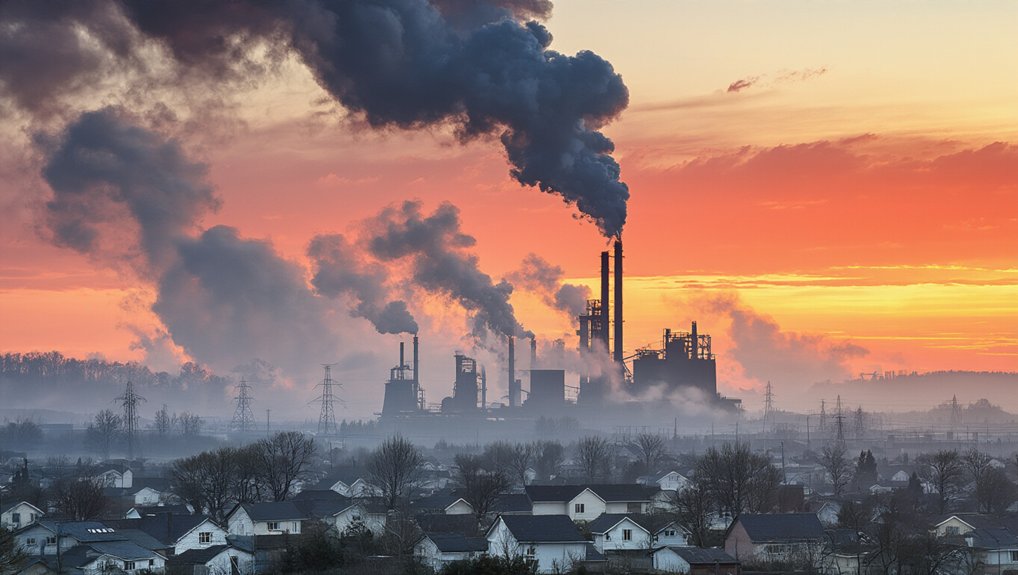
While Louisiana’s petrochemical plants pump out carcinogens into the air, the state just made it harder for neighbors to prove it. Governor Jeff Landry signed the Community Air Monitoring Reliability Act in May 2024, fundamentally telling residents they can’t use affordable air sensors to call out pollution violations. The kicker? Industry gets a free pass.
Here’s how it works. Community groups now face fines up to $32,500 per day if they share air quality data from anything but expensive EPA-approved monitors. Million-dollar penalties await those who dare intentionally violate this gem of a law. Meanwhile, the same industry that backed CAMRA can use whatever monitoring equipment they want. Funny how that works.
Community groups face $32,500 daily fines while industry monitors however they want.
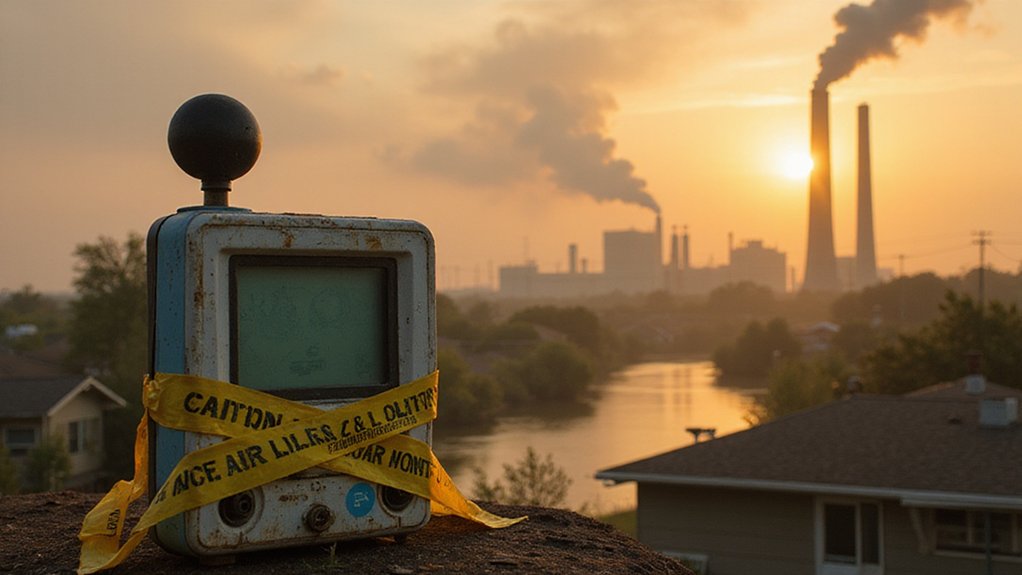
The law claims it’s about providing “accurate air quality information” to the public. Right. By making it nearly impossible for the public to collect that information in the first place. Those cheaper sensors that EPA once helped distribute to communities? Basically paperweights now, at least when it comes to reporting violations.
Fenceline communities—the ones breathing ethylene oxide and other lovely industrial byproducts daily—just lost their most practical tool for documentation. These aren’t wealthy neighborhoods. They’re the places where cancer rates spike and kids have asthma, but somehow they’re the ones being silenced. The regulatory-grade monitors cost over $791,000 each, putting them far out of reach for these communities.
Fed up, environmental groups filed a federal lawsuit in May 2025. RISE St. James, The Descendants Project, and others argue CAMRA violates the First Amendment and conflicts with the Clean Air Act. That federal law says “any information available” can support enforcement. Louisiana apparently missed that memo. The lawsuit also features Micah Six Eight Mission as a plaintiff challenging the law’s constitutionality.
The lawsuit seeks to stop enforcement against community groups, arguing the state can’t muzzle citizens trying to protect their health. State officials designated under CAMRA stand ready to enforce these penalties, creating what plaintiffs call a chilling effect on citizen science.
Louisiana’s message is clear: if you live next to a chemical plant and want to prove your air is toxic, you better have deep pockets. Otherwise, keep quiet. The irony of a law supposedly promoting accurate information while preventing people from gathering it? That’s Louisiana logic for you.
References
- https://www.theenergylawblog.com/2025/05/articles/energy/energy-natural-resources/environmental-groups-file-suit-challenging-validity-of-louisianas-community-air-monitoring-reliability-act/
- https://grist.org/accountability/louisiana-groups-sue-over-air-monitoring-law-camra/
- https://www.thenewlede.org/2025/05/louisiana-law-leaves-vulnerable-communities-without-warnings-of-poor-air-quality-lawsuit-alleges/
- https://www.citizen.org/news/louisiana-hit-with-federal-lawsuit-over-de-facto-ban-on-use-of-air-pollution-monitoring-by-community-groups/
- https://environmentalintegrity.org/wp-content/uploads/2025/05/Lawsuit-over-LA-air-monitoring-5.22.25.pdf