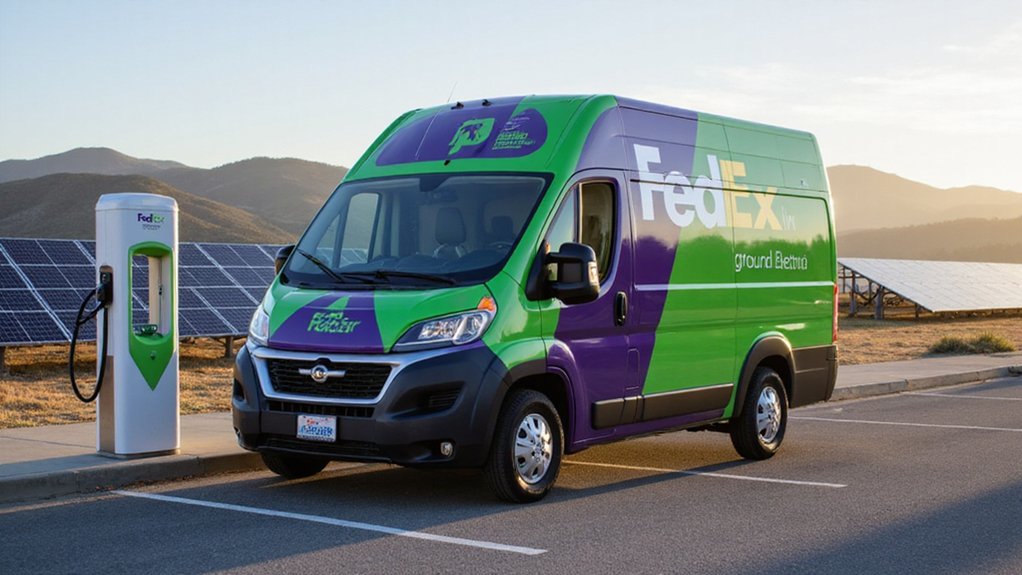

A woman-owned company is changing the delivery game in Northern California. CEO Liz Litsas of NorCal Logistics has launched the region’s first all-electric FedEx fleet. The company partnered with Motiv Electric Trucks and NuGen to make this eco-friendly move happen. These electric vehicles will cut carbon emissions and improve air quality in local communities. This pioneering project could become the model for delivery fleets across America.
A groundbreaking partnership has emerged in Northern California’s logistics industry as NorCal Logistics becomes the first FedEx contractor in the region to deploy a 100% electric delivery fleet. The woman-owned business, led by CEO and CFO Liz Litsas, has taken a bold step toward sustainability while maintaining its reputation as a leading pick-up and delivery service provider for FedEx Ground.
Litsas brings nearly 25 years of experience in the region’s logistics industry. Under her leadership, NorCal Logistics drove the initiative to adopt electric vehicles, demonstrating the company’s long-term commitment to reducing its carbon footprint.
Experience drives innovation. Through determined leadership, we’re turning sustainable aspirations into tangible logistics solutions.
The fleet consists of Class 6 step vans manufactured by Motiv Electric Trucks, a California-based company. These American-made vehicles are specifically tailored for pick-up and delivery operations, featuring advanced electric drivetrains that optimize route efficiency and range.
The project was made possible through a strategic partnership with NuGen, which provided bridge funding and turnkey financing for the new vehicles. This collaboration combines expertise from logistics, finance, and clean technology sectors, potentially creating a blueprint for other fleet electrification efforts nationwide.
The shift to electric vehicles greatly reduces tailpipe emissions and improves air quality in local communities by eliminating vehicle exhaust pollutants. It also supports FedEx’s global goal of achieving an all-electric parcel pickup and delivery fleet by 2040. This initiative follows FedEx’s long history of pioneering electric vehicles since introducing their first electric vehicle in California in 1994.
FedEx has been expanding its electric vehicle presence across California, with several hundred electric delivery vehicles already in operation through FedEx Express. The company has installed more than 500 charging stations at its California facilities to support these efforts.
The all-electric fleet represents a substantial advancement in last-mile delivery logistics for the region. This partnership with Motiv Electric Trucks and NuGen Go focuses on electrifying FedEx routes throughout Northern California. This initiative comes at a critical time when clean energy jobs in America experienced significant decline between 2017 and 2020. By integrating renewable and low-carbon energy into transportation operations, NorCal Logistics is helping overcome previous barriers to electric vehicle adoption in commercial fleets while aligning with broader industry trends toward decarbonization in logistics and delivery services.
References
- https://www.renewableenergymagazine.com/electric_hybrid_vehicles/new-fleet-of-100-electric-fedex-trucks-20250506
- https://www.environmentenergyleader.com/stories/nugen-funds-ev-fleet-rollout-for-fedex-contractor-in-california
- https://www.fedex.com/en-us/sustainability/electric-vehicles.html
- https://www.dbusiness.com/daily-news/gms-brightdrop-delivers-first-150-electric-delivery-vans-to-fedex/
- https://www.smartenergydecisions.com/news/fedex-receives-electric-vehicles/