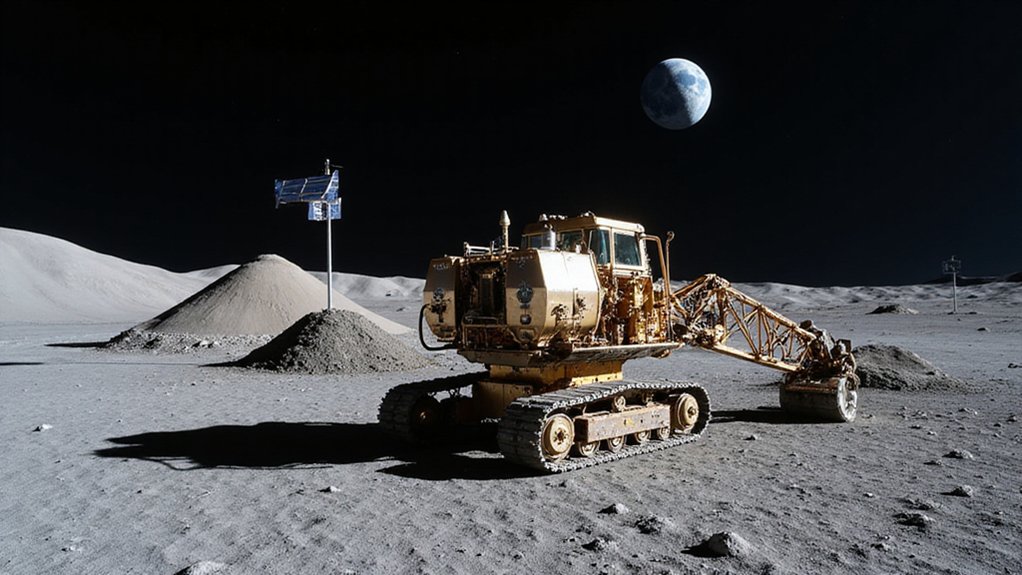
The United States is moving fast to put a nuclear reactor on the Moon by 2030. NASA and the Department of Energy announced plans for a fission-based nuclear power system as part of the Artemis Moon program. The goal is to power future lunar bases and eventually support missions to Mars.
The Trump administration has made this a priority. Transportation Secretary Sean Duffy announced the fast-track development, and directives were reportedly issued directing teams to prepare the reactor for launch by 2030. The White House says it’s aiming for American space superiority over rivals like China and Russia.
The reactor’s specs are impressive. It’ll produce 100 kilowatts of electricity, enough to power about 80 homes. Unlike solar panels, it doesn’t need sunlight to work. That makes it reliable in the Moon’s extreme temperatures and during long lunar nights. It’ll power habitats, rovers, robotic equipment, and future mining operations.
NASA and the DOE recently signed a new memorandum of understanding to lock in their partnership. The two agencies have worked together on space power for over 50 years. Their joint effort now covers development, fueling, launch preparation, and getting the reactor authorized for use. NASA Administrator Jared Isaacman called the project a key part of what he described as a “Golden Age of space exploration.” Energy Secretary Chris Wright added that DOE is proud to work alongside NASA and the commercial space industry on what he called one of the greatest technical achievements in nuclear energy and space exploration. The reactor is also designed to operate for years without refueling, providing continuous and abundant power regardless of sunlight or temperature conditions.
The stakes are high. China and Russia are reportedly planning their own automated nuclear power station on the Moon by 2035. China also has plans for a human Moon landing around 2030. U.S. officials say they’re determined to win this new space race.
The project’s been building for a while. Earlier research focused on a smaller 40-kilowatt reactor planned for later in the 2030s. That timeline’s been moved up and the power target increased. NASA put out a call for industry proposals to design and build the 100-kilowatt system. An updated NASA release on February 2, 2026, included a copy of the new MOU and confirmed the push toward a 2030 launch.
References
- https://www.fox10phoenix.com/news/us-plans-build-nuclear-reactor-moon-2030-nasa-says
- https://www.nasa.gov/news-release/nasa-department-of-energy-to-develop-lunar-surface-reactor-by-2030/
- https://www.youtube.com/watch?v=NJapmqI07oY
- https://www.space.com/astronomy/moon/the-us-really-wants-a-nuclear-reactor-on-the-moon-by-2030-achieving-this-future-requires-harnessing-nuclear-power-nasa-chief-says