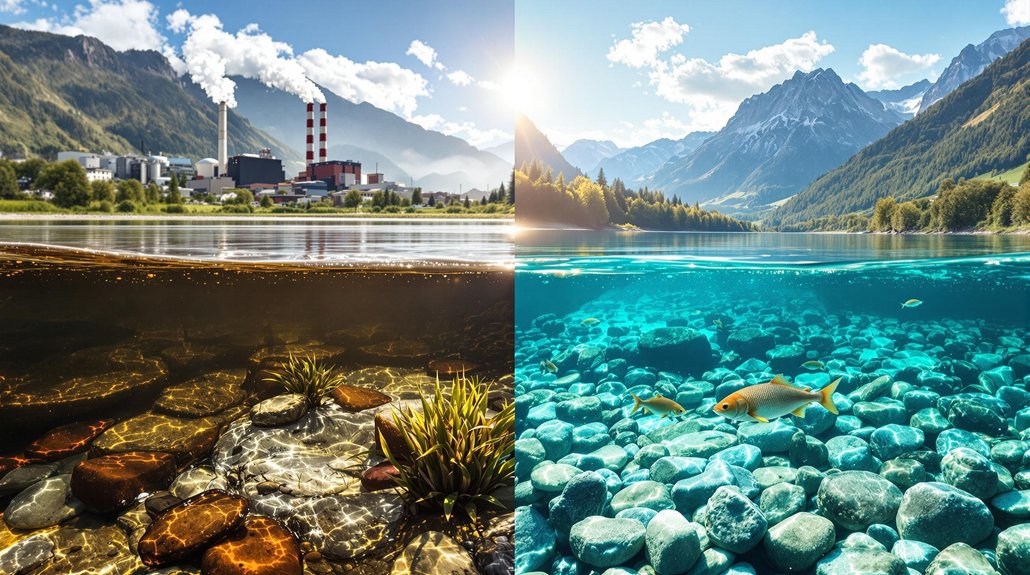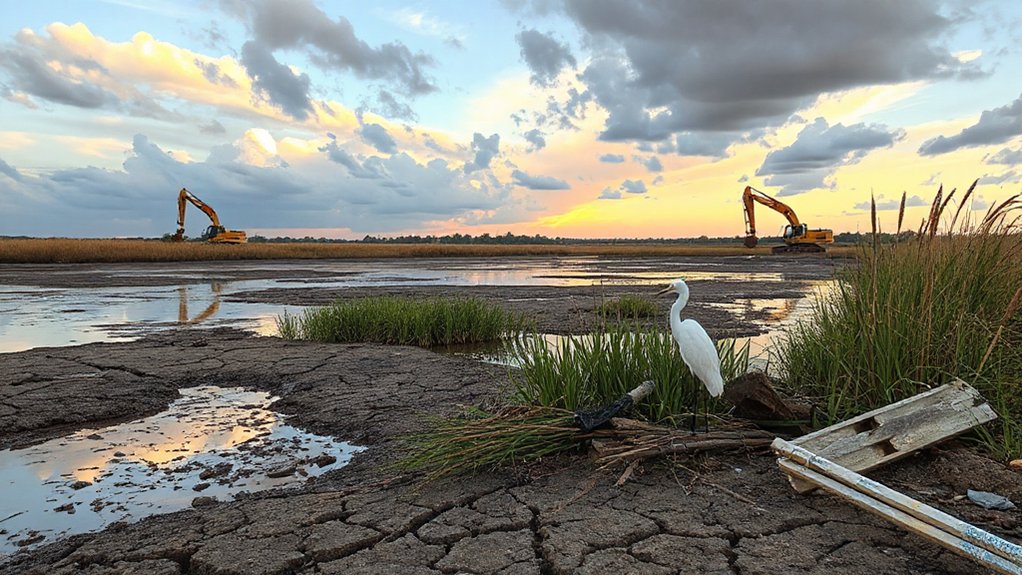
While scientists have long recognized the essential role of wetlands in our ecosystem, the EPA has decided to ignore decades of research. In a move that has environmental advocates shaking their heads, the EPA and Army announced a proposed rule on November 17, 2025, updating the definition of “Waters of the United States.” Because apparently, we needed to make it harder to protect our natural resources.
The rule introduces a two-part test requiring water to be a “relatively permanent waterbody” or have “continuous surface connection” to qualify for protection. Translation: if you can’t see water on the surface year-round, it doesn’t count. Ecological function? Irrelevant. Subsurface connections? Don’t be silly.
This narrow interpretation stems from the Supreme Court’s 2023 decision in *Sackett v. EPA*. The EPA claims they’re just implementing the ruling, but critics argue they’re taking it way further than necessary. The result? Countless wetlands that filter pollution, control flooding, and support wildlife are suddenly fair game for developers and polluters.
Environmental organizations like American Rivers are sounding alarms about increased flood risks. When wetlands disappear, so do nature’s sponges that absorb excess water during storms. But hey, who needs natural flood control when we can build more expensive flood walls, right?
Property rights advocates and some agricultural interests are celebrating the rollback. Less regulation means more freedom to do whatever they want with their land. The wetlands providing clean drinking water downstream? Someone else’s problem.
The proposal is open for public comment for 45 days after Federal Register publication. A series of six listening sessions have been scheduled to gather public feedback on the proposed changes. Environmental experts warn that this approach creates a patchwork of protection that varies by state, effectively undermining national water quality standards.
The irony is rich: an agency with “Environmental Protection” in its name is actively reducing environmental protection. American Rivers, with over 50 years of advocacy for river conservation, emphasizes that these wetlands may not have the glamour of pristine beaches or majestic forests, but they’re working overtime to keep our water clean and communities safe. Too bad the EPA seems to have missed that memo.
References
- https://www.americanrivers.org/media-item/american-rivers-concerned-epas-new-proposed-clean-water-act-rule-will-damage-wetlands-increase-flood-risk/
- https://www.epa.gov/wotus
- https://www.latimes.com/environment/story/2025-11-17/epa-acts-to-leave-more-wetlands-out-of-scope-of-clean-water-act-protections