Where will the next global conflict emerge? Look to the dry riverbeds and empty reservoirs. Since 2023, unprecedented drought events have ripped through communities worldwide, threatening not just our dinner plates but the very stability of nations. It’s not your grandma’s drought anymore—these aren’t isolated incidents. They’re happening everywhere, all at once. Fun times.
Climate change is cranking up the heat, literally. For every 1°C rise in global temperature, we lose 20% of renewable water. That’s not just a statistic—it’s a recipe for disaster. The 2023-2024 El Niño didn’t help, turning bad situations worse across continents. The alarming climate trends have contributed to forest disturbance rates that are now four times higher in the Southern US than in Brazil. Water-dependent systems are breaking down everywhere. Who knew that stuff we take for granted could cause so much trouble?
As temperatures climb, our water vanishes—20% less for each degree. Nature’s bank account is overdrawn, and we’re all about to pay.
The economic fallout is brutal. Annual GDP growth drops by 0.4 percentage points under high-emission scenarios. But not everyone suffers equally—shocking, right? Fragile and conflict-affected states get hit twice as hard in food production. Their inflation rates spike seven times more during droughts. When crops fail, everything falls apart.
People don’t just sit around when they can’t feed their families. They move. Mass migrations strain urban infrastructure, tear apart communities, disrupt education. Families separated. Lives uprooted. All because rain doesn’t fall where it should.
Then come the tensions. Nothing like fighting over the last drop of water to bring out our worst instincts. Transboundary river basins become battlegrounds as upstream countries control the tap. Military experts aren’t being dramatic when they warn that water shortages will drive 21st-century conflicts. They’re being realistic. These disputes often involve political tensions rather than armed conflict, though the potential for escalation remains high.
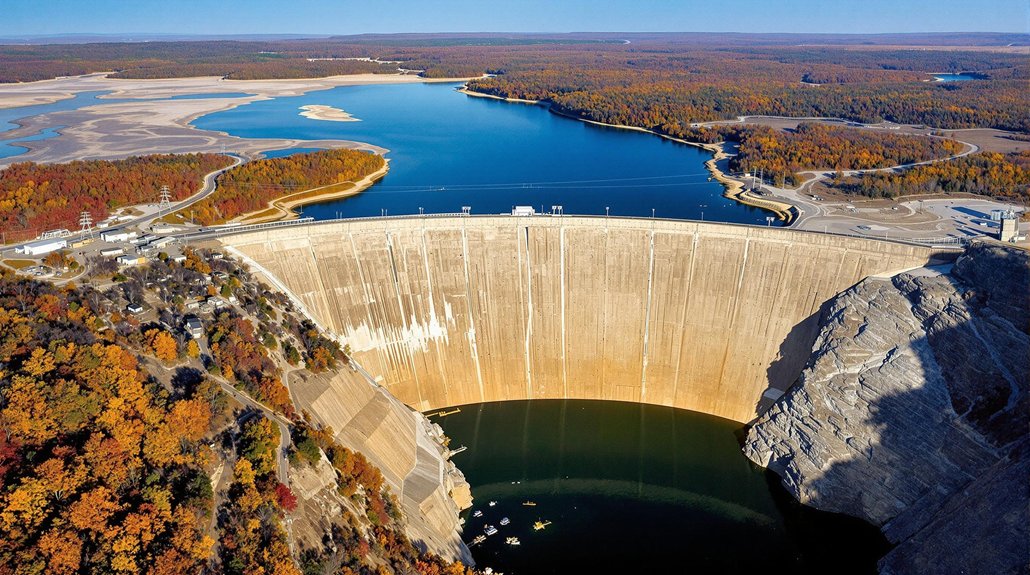
Meanwhile, ecosystems collapse and biodiversity vanishes. Groundwater—that backup supply we’ve been draining for decades—keeps depleting. The OECD projects that drought-related economic costs may rise by 110% by 2035, further intensifying competition for increasingly scarce resources. Droughts are slow-motion catastrophes that eventually explode into humanitarian crises and regional instability. The warning signs are everywhere.
The question isn’t if water wars will happen, but where they’ll erupt first.
References
- https://bioengineer.org/global-drought-hotspots-report-reveals-severe-impact-and-economic-losses-from-2023-to-2025/
- https://tappwater.co/blogs/blog/water-wars-climate-change-water-security
- https://www.imf.org/-/media/Files/Publications/WP/2024/English/wpiea2024106-print-pdf.ashx
- https://climategkc.org/water-wars-direct-impacts-of-water-scarcity-on-the-world/
- https://www.oecd.org/en/publications/global-drought-outlook_d492583a-en/full-report/impacts-and-costs-of-droughts_b407ba90.html