How quickly can a nation transform its energy landscape? Vietnam’s answer: faster than almost anyone thought possible.
In just five years, the country went from virtually zero renewable capacity to over 21,000 MW of solar and wind. Not too shabby for a developing economy.
Coal still dominates, accounting for about 54% of electricity generation. But that’s changing. Fast. The government has set ambitious targets: net-zero emissions by 2050 and 40-47% of installed capacity from wind and solar by 2030. Ambitious? Yes. Impossible? Not with their track record.
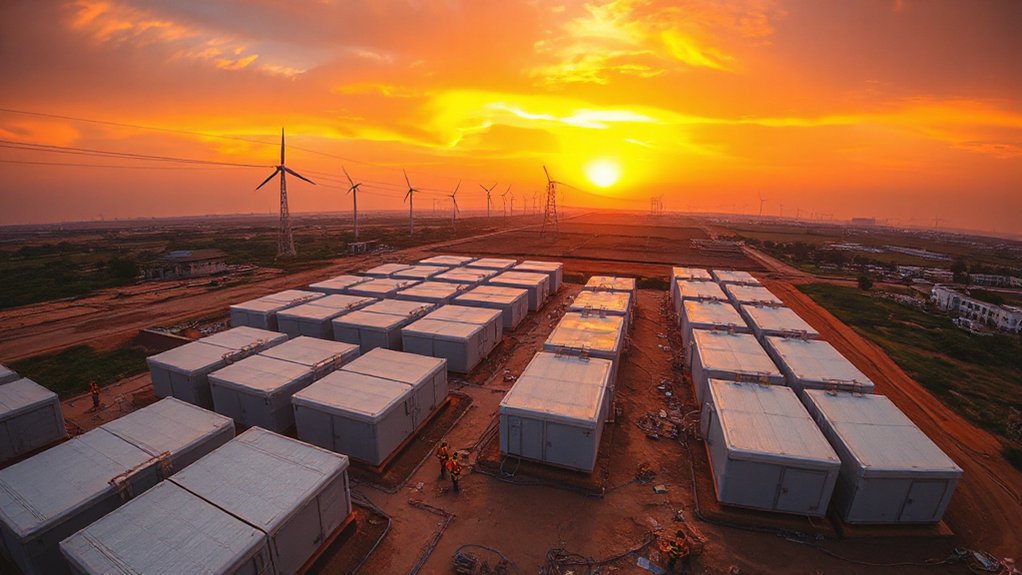
The revised Power Development Plan 8 is doubling down on this green shift. It’s aiming for a whopping 73 GW of installed solar and 38 GW of onshore wind by 2030. Plus 10-16 GW of energy storage to handle all that variable power. They’re serious about this.
Vietnam now wears the crown as Southeast Asia’s largest solar producer. The feed-in-tariff regime between 2019 and 2021 was like rocket fuel, adding roughly 17-19 GW of solar and wind capacity nationwide. Pretty impressive for a country still figuring out its energy future.
The revolution isn’t just happening at utility scale. They want 50% of office buildings and half of all households generating their own rooftop solar by 2030. Talk about democratizing energy production!
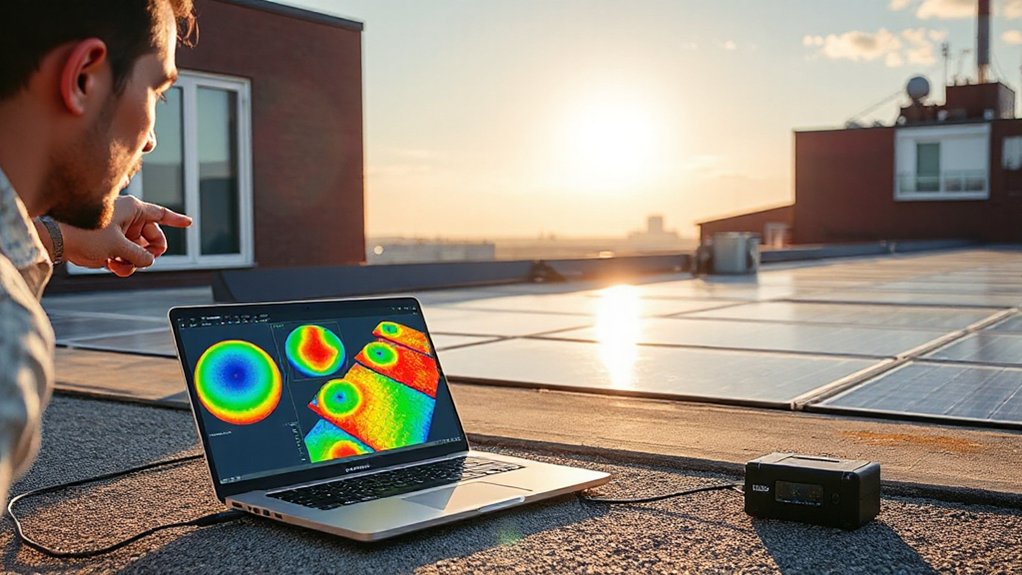
Recent government decisions have allocated over 19,000 MW of rooftop solar capacity for 2025-2030. Projects are already popping up everywhere. One factory in Van Trung Industrial Park installed a 3.06 MWp rooftop system that’s saving 3 million kWh annually. The implementation leverages machine learning APIs to optimize energy distribution and consumption patterns across the grid.
The 2024 Electricity Law is modernizing the whole framework – better planning, streamlined licensing, and updated grid regulations. All while electricity demand keeps growing at around 9% annually.
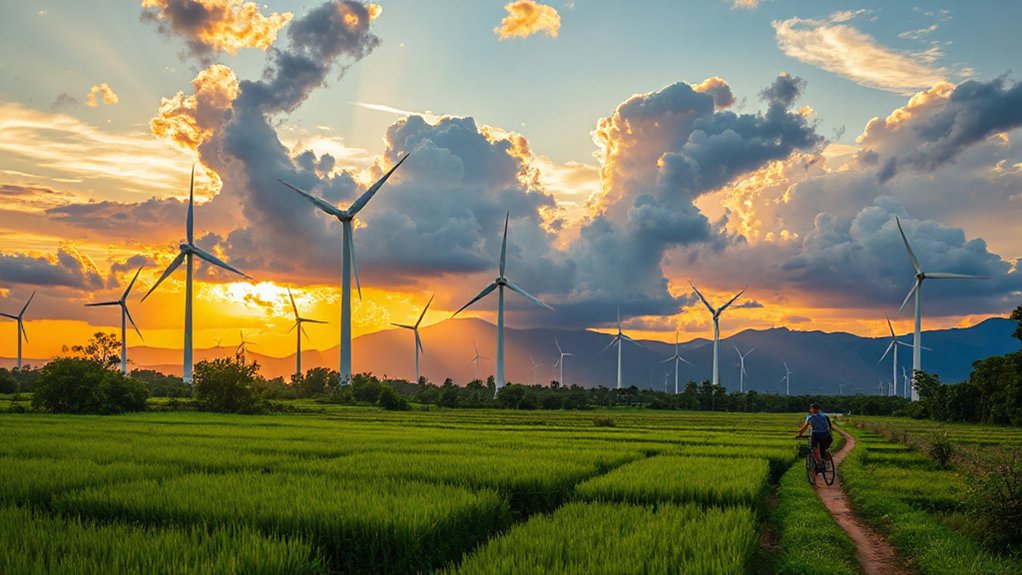
Vietnam’s energy revolution isn’t just impressive – it’s necessary. With coal’s days numbered and demand rising, the Mekong Delta’s new 30MW wind farm is just one piece of a much larger puzzle. The country has committed to reducing methane emissions 30% by 2030 compared to 2020 levels, further emphasizing their climate commitments. Enterprises are increasingly seeing rooftop solar as critical for cost reduction, especially in competitive sectors like seafood processing.
References
- https://en.nhandan.vn/rooftop-solar-power-an-inevitable-path-in-viet-nams-energy-transition-post157649.html
- https://www.enerdata.net/estore/energy-market/vietnam/
- https://ieefa.org/resources/boom-balance-vietnams-clean-energy-transition
- https://climateactiontracker.org/countries/vietnam/
- https://earthjournalism.net/resources/tipsheet/a-reporting-tipsheet-on-renewable-energy-in-vietnam
- https://www.statista.com/outlook/io/energy/renewable-energy/vietnam?currency=USD
- https://alliancemount.com/vietnams-renewable-energy-outlook-2026/
- https://theinvestor.vn/electricity-consumption-growth-lags-economic-expansion-a-positive-signal-say-experts-d18040.html
- https://www.nortonrosefulbright.com/en/knowledge/publications/1d041eb0/vietnam-power-sector-snapshot