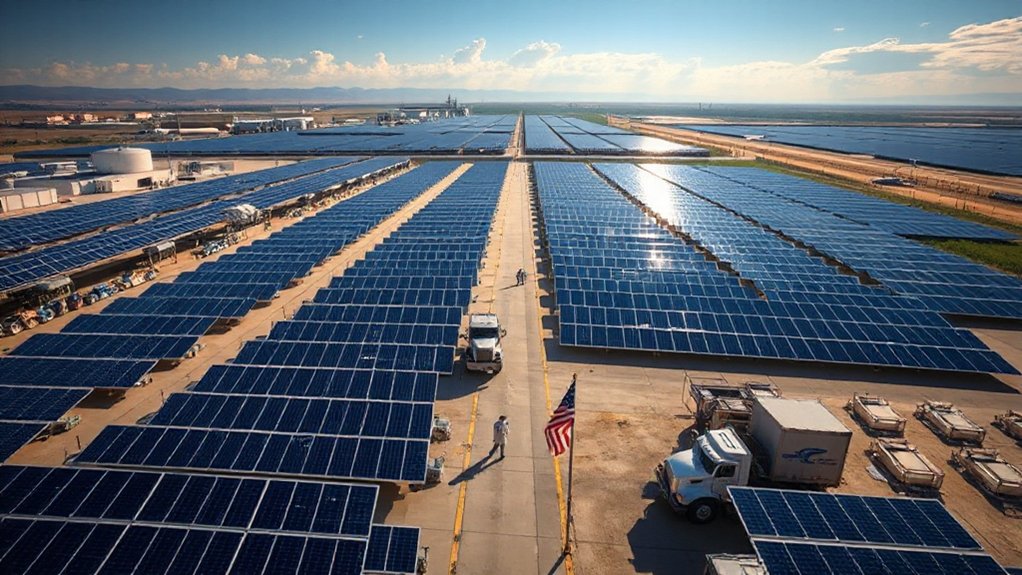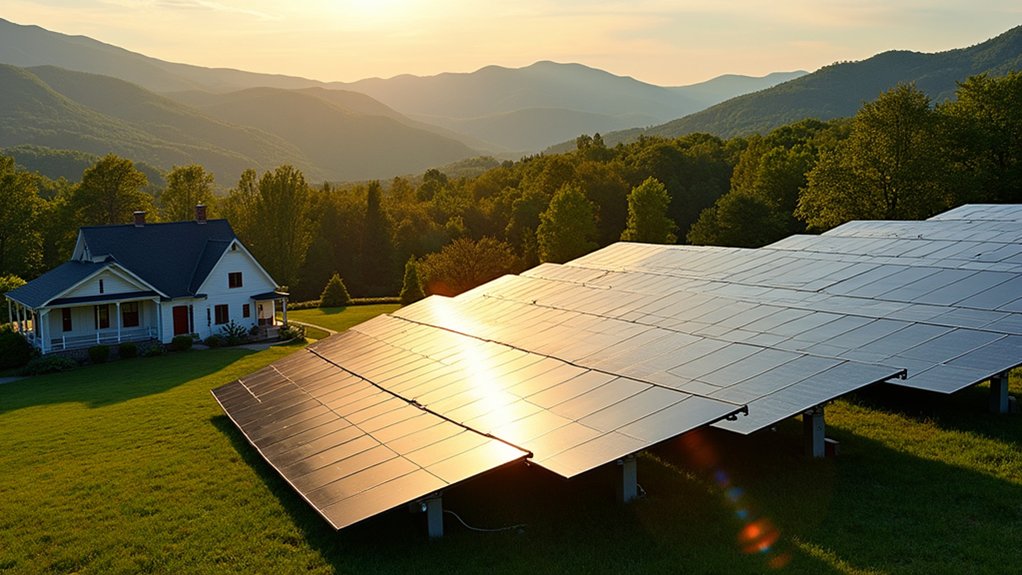

Vermont just made it way easier to go solar. The state’s new law, signed in June 2025, bumps up the capacity limit for expedited solar registration from 15 kW to 25 kW for ground-mounted arrays. Translation? Homeowners can now install bigger solar systems without drowning in paperwork.
Vermont’s solar capacity limit jumps from 15 kW to 25 kW – less paperwork, bigger systems.
The old rules were stuck in 2014. Back then, anything over 15 kW got lumped in with massive 150 kW commercial projects. Same brutal application process. Same months of waiting. Pretty dumb, considering solar panels have gotten way more efficient since then. Nearly all 2024 installations use 400-watt panels or higher. That’s a big jump from just five years ago.
Here’s what actually matters. The expedited process wraps up most applications in under 30 days. The standard review? Four months minimum. Vermont also ditched the 45-day neighbor notification requirement and that mandatory 30-day review period. Between 2020 and now, only 11 applications for projects in the 15-25 kW range were submitted under the old system.
Oh, and expedited registration costs nothing. The traditional route? That’ll run you $2,000 to $5,000. Ouch.
S.50 sailed through the legislature with unanimous committee votes. Bipartisan support for climate action in 2025? Wild. The bill passed on May 29, 2025, and was actually signed by the Governor a day earlier on May 28. Senate leader Anne Watson and House champion Kath James pushed this thing through, backed by Renewable Energy Vermont and a bunch of environmental groups.
It’s actually the only major climate law Vermont passed all year. This initiative aligns with global trends, as renewable portfolios have become essential tools for countries aiming to reduce dependency on fossil fuels.
The timing makes sense. Homeowners are electrifying everything – heat pumps, electric vehicles, the works. They need more power. Vermont’s net metering program already serves about 22,000 homes and businesses, and this law should boost those numbers fast.
The legislation also tackles some planning issues. It sets statewide setback requirements and pushes for more clustered solar development in already-developed areas. Smart move.
The Public Utility Commission now has to rethink their “single plant” rulings too.
Vermont’s basically handing other states a blueprint for solar reform. Cut the red tape, lower the costs, speed up the timeline. Simple formula.
With the state’s 100% Renewable Energy Standard still intact, this law just removed one of the biggest roadblocks to residential solar adoption. About time.
References
- https://pv-magazine-usa.com/2025/06/11/vermont-passes-law-for-faster-cheaper-residential-solar/
- https://legiscan.com/VT/bill/S0050/2025
- https://www.revermont.org/policy-priorities/
- https://vnrc.org/policy-update-were-in-the-final-stretch/
- https://www.drm.com/resources/vermont-overhauls-its-renewable-energy-standard-with-the-passage-of-h-289/