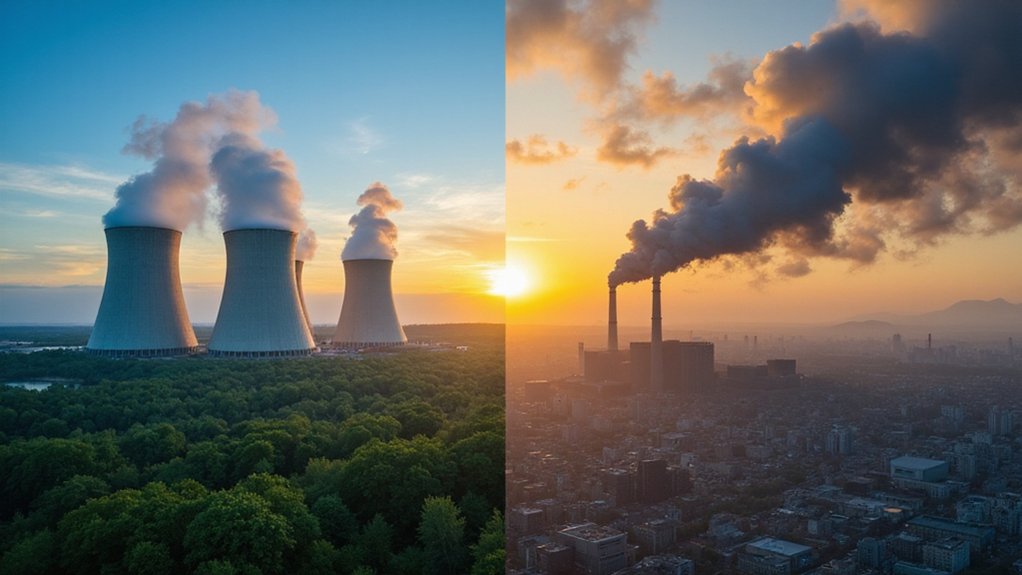
Why are industry experts calling this a milestone moment for nuclear energy in the United States? The Nuclear Regulatory Commission (NRC) recently accepted a construction permit application from Dow and X-energy for a small modular reactor (SMR) in Seadrift, Texas. This marks the first time in decades that an advanced SMR project for the industrial sector has been officially docketed by the NRC.
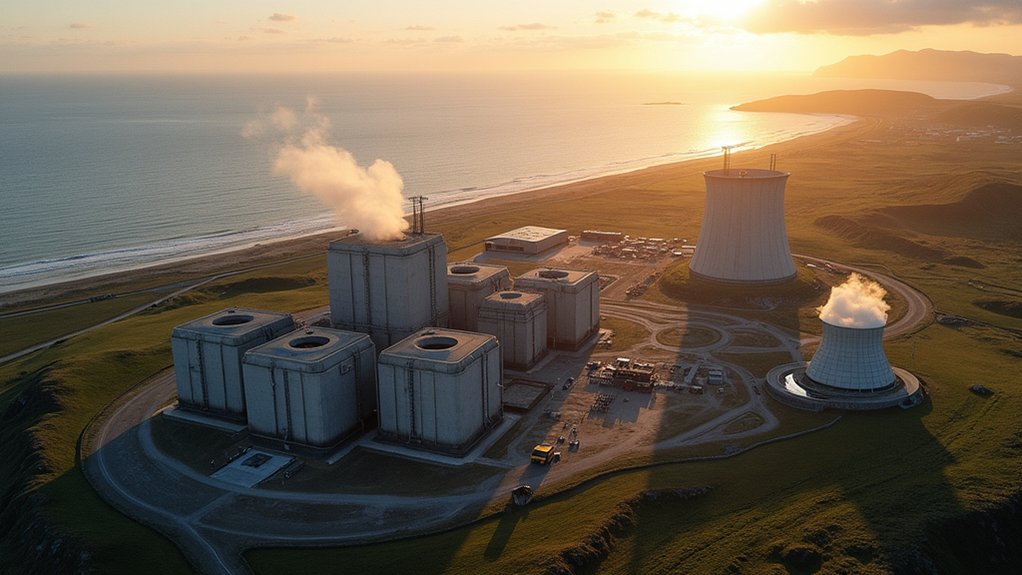
The project features X-energy’s Xe-100 design, a high-temperature gas-cooled reactor that uses pebble bed technology with TRISO fuel and helium coolant. The plan calls for four reactor units, each generating 80 megawatts of electricity, for a total output of 320 megawatts. These reactors will produce both electricity and industrial steam.
Dow intends to use this clean energy source at its Seadrift Operations manufacturing facility on the Texas Gulf Coast. The site currently makes over 4 billion pounds of chemical products each year, including materials for plastics, footwear, and pharmaceuticals. The SMR will replace aging fossil fuel systems, helping Dow reduce its carbon emissions.
The application didn’t happen overnight. Dow, through its Long Mott Energy LLC subsidiary, and X-energy have been working with the NRC since 2018 to demonstrate their design’s safety and technical readiness. Now the NRC begins detailed safety and environmental reviews.
Federal support has played a key role in advancing this project. The U.S. Department of Energy’s Advanced Reactor Demonstration Program has provided cost-sharing partnerships. In March 2025, the DOE reissued a $900 million solicitation to reduce risks for light water SMR deployment. The modified program now focuses primarily on project feasibility rather than community benefits requirements from the original October 2024 solicitation.
States are also taking action. Indiana formed the Nuclear Indiana Coalition in April 2025 to promote SMR development. Several states now define nuclear as clean energy and allow utilities to recover costs for new nuclear projects. This reflects a broader shift where over 40 countries are actively pursuing nuclear programs as part of their energy transition strategies.
While this application represents an important first step, the project still requires an operating license after the construction permit is obtained. The application leverages new technology-inclusive guidance under 10 CFR Part 53, designed to streamline review processes for non-light water reactor technologies.
References
- https://www.ans.org/news/2025-05-15/article-7026/nrc-dockets-construction-permit-for-dow-xenergy-smr/
- https://www.ans.org/news/2025-03-26/article-6894/smr-doe-doene-oecd-small-modular-reactors-light-water-reactors/
- https://www.ncsl.org/newsletter/details/news-reactor-april-2025
- https://corporate.dow.com/en-us/news/press-releases/dow-and-x-energy-submit-construction-permit-application-to-the-u.html
- https://www.nucnet.org/news/nrc-renews-oconee-nuclear-station-operating-licences-for-another-20-years-4-3-2025