
While other industries struggle to stay afloat, the energy efficiency sector is booming with no signs of slowing down. Recent data shows an estimated 2.1–2.4 million energy efficiency jobs expected in 2025, with a net increase of around 150,000 clean energy positions year-over-year. That’s right—while some sectors are handing out pink slips like candy, energy efficiency is handing out paychecks.
Energy efficiency isn’t just growing; it’s dominating the clean energy employment landscape. It’s beating out renewable generation and EV manufacturing in total headcount. Not too shabby for an industry that basically tells people to insulate their attics and install better thermostats.
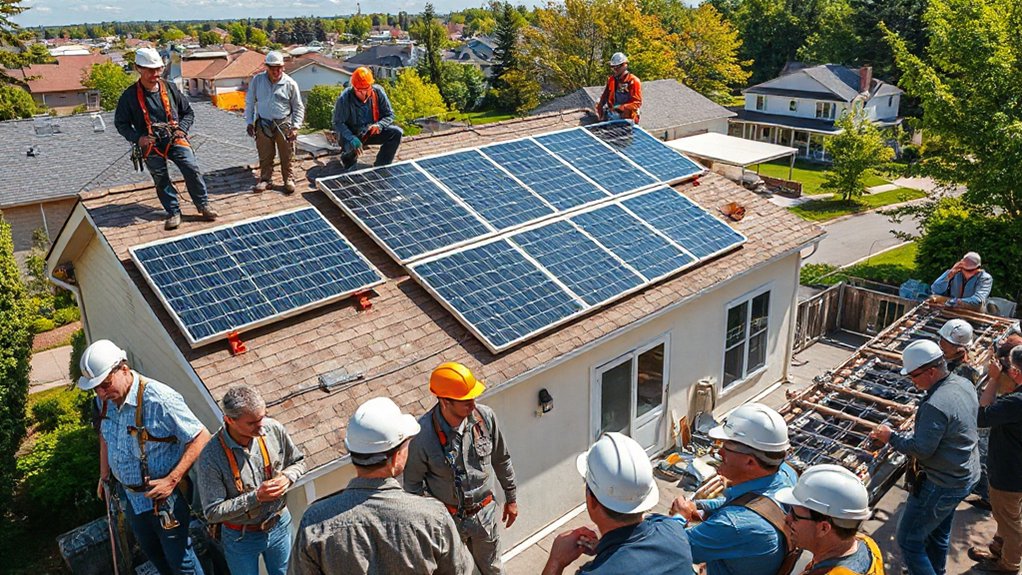
These jobs are everywhere. According to EE Jobs in America, they exist in 99.9% of U.S. counties. Rural, urban, suburban—doesn’t matter. If there are buildings, there are energy efficiency jobs. Construction workers, HVAC technicians, insulation installers—they’re all part of this massive workforce. Heat pump installers can’t be trained fast enough. Energy auditors are booked solid.
The pay doesn’t suck either. Median wages for these positions run about 20% higher than the national median. And many don’t require four-year degrees, just specialized training or apprenticeships. Talk about accessible career paths. This pattern reflects broader trends where renewable energy creates three times more jobs than the fossil fuel sector.
California, Texas, and New York are leading the job creation charge. No surprise there. States with aggressive building codes and serious climate legislation are seeing the biggest growth. When policy meets economics, jobs happen. Fast.
But it’s not all sunshine and LED lightbulbs. The industry faces a critical workforce shortage. Nearly three-quarters of energy professionals report skilled worker gaps in surveys. Retirements are accelerating, creating a talent vacuum right when demand is surging. The sector desperately needs expanded training programs to address skills gaps reported by employers across clean energy sectors.
Still, for job seekers, the message is clear: energy efficiency isn’t just good for the planet—it’s great for employment. Researchers compile comprehensive data using BLS statistics and specialized surveys from over 42,000 businesses to track this remarkable growth. While the rest of the economy holds its breath, this sector exhales opportunity. Green jobs, good wages, and growth. Period.
References
- https://nzero.com/blog/clean-energy-jobs-in-2025-where-growth-is-happening-and-why-it-matters/
- https://building-performance.org/2025-eeja/
- https://efifoundation.org/partnerships/useer/
- https://cleanjobsamerica.e2.org/wp-content/uploads/2025/09/E2-2025-Clean-Jobs-America-2025_final.pdf
- https://www.aeecenter.org/aee-news/aee-releases-the-2025-jobs-and-market-trends-report/
- https://www.wmnf.org/as-energy-efficiency-jobs-climb-retirements-and-policy-cuts-create-new-challenges/
- https://www.energy.gov/policy/us-energy-employment-jobs-report-useer