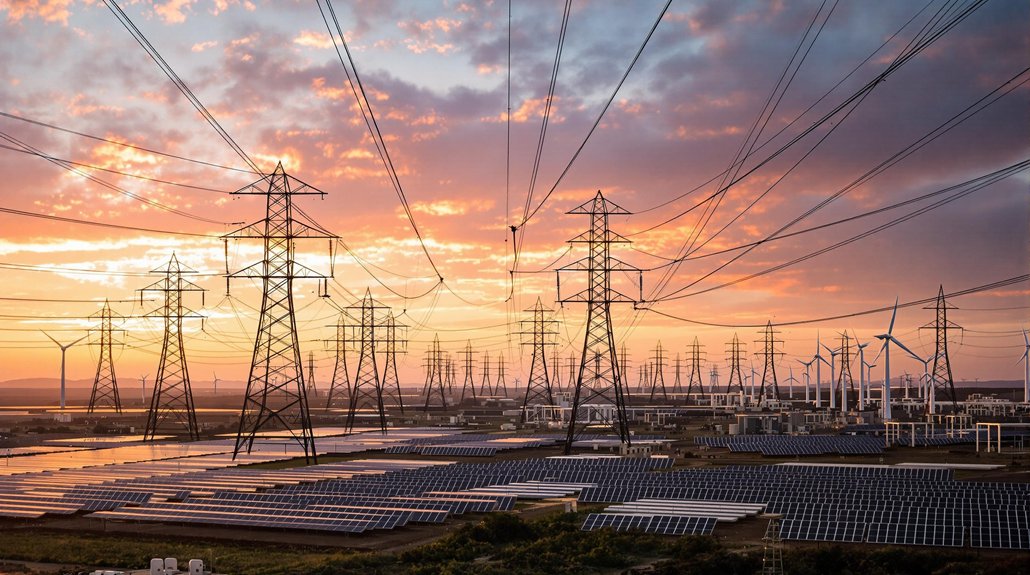
Across the United States, lawmakers are demanding answers about how much electricity data centers are consuming. These massive facilities, which store and process digital information, used 183 TWh of electricity in 2024. That’s about 4% of all U.S. electricity use, roughly equal to the entire annual electricity demand of Pakistan.
U.S. data centers consumed 183 TWh of electricity in 2024 — equal to the entire power demand of Pakistan.
The growth has been steep. From 2018 to 2023, data center electricity use jumped from an estimated 76 TWh to 176 TWh. Some states feel the strain more than others. In 2023, data centers used 26% of Virginia’s entire electricity supply. North Dakota, Nebraska, Iowa, and Oregon were reportedly among states that also saw double-digit shares of their power go to data centers.
The artificial intelligence boom is a big reason why. AI chips need two to four times more electricity than traditional computer chips. A typical AI hyperscale data center uses roughly as much electricity as 100,000 homes each year. Facilities currently under construction are expected to use potentially many times more than even that. Generative AI and large language models are pushing computing power demands to new highs.
Forecasts show demand could reach 325 to 580 TWh by 2028, and possibly up to around double, e.g., 400+ TWh by 2030. That’d be more than double from 2024 levels. Data centers are expected to drive about 50% of all U.S. power demand growth this decade. To address these mounting energy needs, the Department of Energy has selected federal sites, including Idaho National Lab and Los Alamos National Lab, for new AI data centers expected to begin operations by 2027.
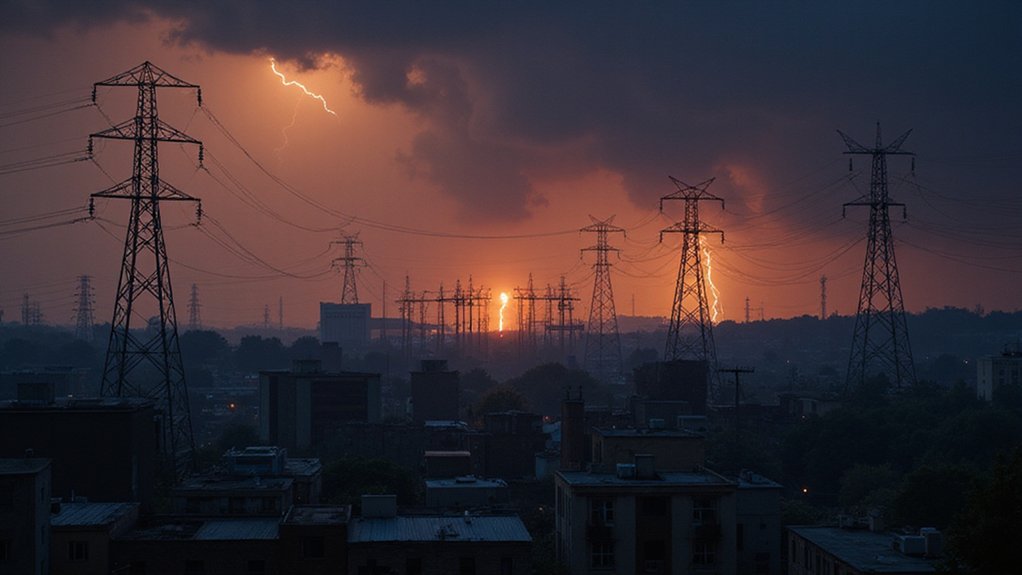
The grid’s feeling the pressure. Data centers are geographically concentrated, which strains local power systems. In the PJM power market, which covers parts of the Midwest and East Coast, data centers contributed to significant jumps, such as billions in capacity market prices for 2025-26. Residential customers in western Maryland could see bills rise by roughly $18 per month. Ohioans might face increases in a similar range.
Lawmakers are pushing for more transparency from both data centers and utilities. They want ratepayers protected from footing the bill for expensive grid upgrades. Planning visibility remains poor, partly because data centers and utilities don’t always share enough information publicly. Experts say discrepancies in current forecasts are equivalent to the energy use of 11 million homes.
In 2024, Amazon, Microsoft, Google, and Meta collectively spent reportedly over $200 billion on data center infrastructure, a 62% year-over-year increase from what those same companies spent in 2023. According to a new IEA analysis, overall U.S. electricity demand is projected to add more than 420 Terawatt-hours from 2025 to 2030, with data centers accounting for roughly half of that growth.
References
- https://www.eia.gov/pressroom/releases/press582.php
- https://www.belfercenter.org/research-analysis/ai-data-centers-us-electric-grid
- https://www.axios.com/2026/02/06/data-centers-dominate-rising-us-demand
- https://www.morganlewis.com/blogs/datacenterbytes/2026/01/2026-us-data-centers-and-energy-key-trends-shaping-power-demand
- https://www.pewresearch.org/short-reads/2025/10/24/what-we-know-about-energy-use-at-us-data-centers-amid-the-ai-boom/
- https://www.catf.us/2026/03/data-driven-look-rising-us-electricity-costs-policy-solutions/
- https://ttms.com/growing-energy-demand-of-ai-data-centers-2024-2026/
- https://www.wri.org/insights/us-data-centers-electricity-demand