While solar and wind energy have seen real growth in recent years, new polling shows American support for both sources has dropped sharply. Solar support fell from 73% in 2021 to 66% in 2026. Wind dropped even more, falling from roughly 66% to 55% over the same period. That’s an 11-point decline for wind, making it the biggest drop among all renewable sources tested.
Offshore wind took a particularly hard hit. Support for expanding offshore wind farms fell from 59% in 2022 to just 44% in 2026. Support for solar panel tax credits also reportedly slipped, dropping from roughly two-thirds of Americans to just over half. The declines happened across all political groups, not just one party. Democrats and independents showed especially large drops in wind support compared to Republicans.
Offshore wind support collapsed from 59% to 44% in just four years, with Democrats and independents leading the retreat.
Some experts point to growing money worries as part of the reason. When people are stressed about their finances, environmental issues tend to drop lower on their priority list.
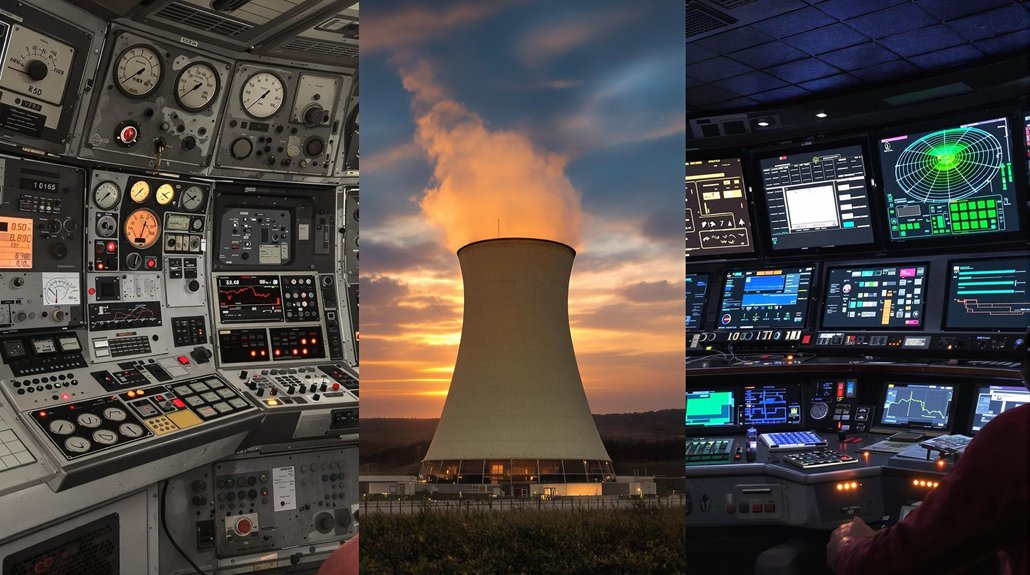
Nuclear energy is telling a different story. Its support hit an estimated 46% in 2026, reportedly the highest level ever recorded in polling history. That’s roughly a seven-point jump since 2021. It’s also the only energy source out of six tested that actually grew in support. Nuclear even surpassed natural gas, which reportedly sat at 42%, to become the top preferred energy source. Still, 53% of Americans said they’d oppose building a nuclear plant in their own community. The narrowest partisan gap among all energy sources tested belonged to nuclear, with 52% of Republicans and 42% of Democrats backing increased focus on it.
Fossil fuels continued to struggle. Coal support stayed low at 23%, with half of Americans wanting less emphasis on it. Oil came in at roughly 37%, and natural gas at 42%, down an estimated seven points from 2021. By some accounts, only about one-third of the public supports more offshore oil and gas drilling.
Electric vehicle tax credits also lost ground. Support reportedly dropped from 50% in 2022 to about 40% in 2026. Independent support cratered from 49% to 28%. Rising electricity costs likely played a role in that shift. A majority of adults still believe the federal government should take a major role combatting climate change to help prevent extreme weather from getting worse.
Meanwhile, the actual electricity numbers paint a different picture. Solar generation grew roughly 28% in 2025 alone. Wind and solar together produced an estimated 19% of all U.S. electricity that year.
References
- https://www.energycentral.com/nuclear/post/news-less-support-in-u-s-for-solar-wind-energy-more-for-nuclear-P6vWF0CcjQsG0hK
- https://apnorc.org/projects/declines-in-public-support-for-green-and-renewable-energy/
- https://news.gallup.com/poll/708620/less-support-solar-wind-energy-nuclear.aspx
- https://www.ap.org/news-highlights/spotlights/2025/support-for-solar-energy-and-offshore-wind-falls-among-democrats-and-independents-ap-norc-poll-says/
- https://www.climatecentral.org/climate-matters/solar-and-wind-2026
- https://www.pewresearch.org/science/2026/04/03/americans-shifting-views-on-energy-issues/