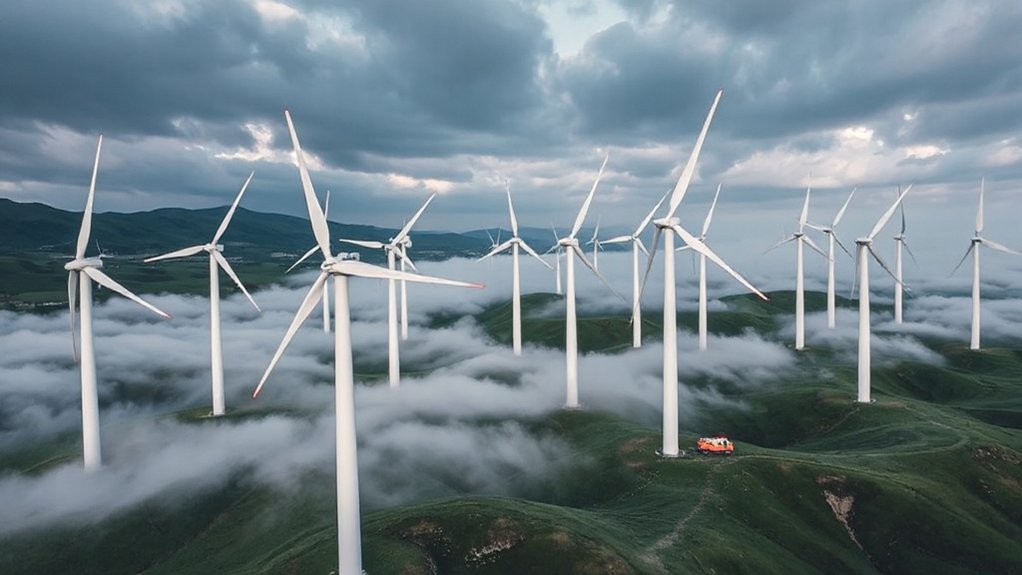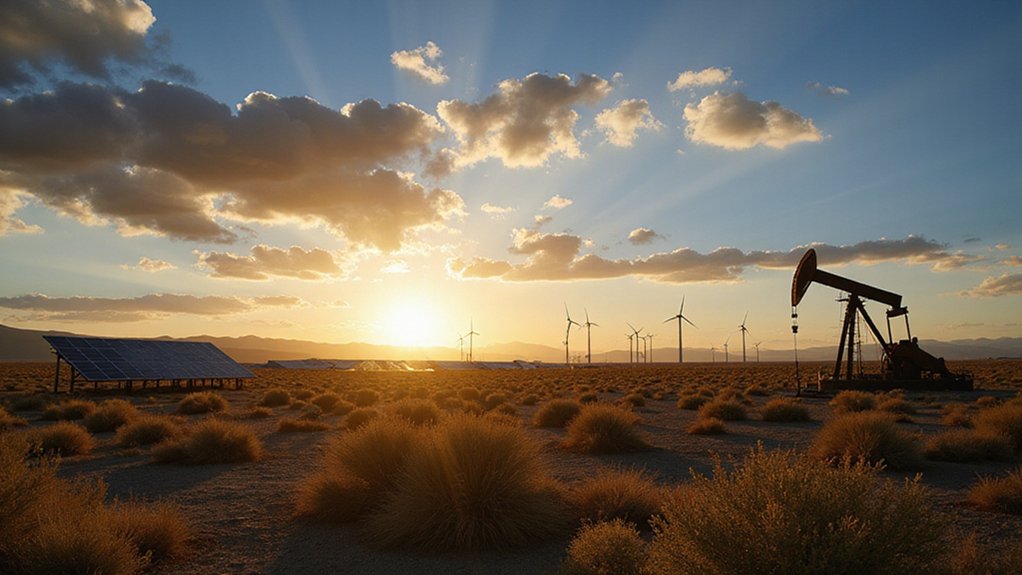

In a move that signals a major shift in energy policy, the Trump administration announced its plan to rescind a Biden-era rule that had made renewable energy development cheaper on public lands. The Interior Department revealed its intention on May 15, 2025, stating that the Bureau of Land Management (BLM) rule showed favoritism toward renewable energy projects.
The Biden rule had cut costs for wind and solar developers by reducing acreage rental rates and capacity fees by up to 80%. It also offered additional discounts for projects using American-made materials. With these incentives gone, renewable energy companies will face higher costs when building on federal lands.
Interior Secretary Doug Burgum explained the decision as an effort to “eliminate preferential treatment” for renewable projects. He stressed that the Interior Department’s mission includes both managing and protecting public lands, not just protection. The administration called renewable energy projects “unaffordable” and “unreliable.”
This alteration fits into a broader pattern of Trump’s public lands policy. The administration has already canceled the “Public Lands Rule” that made conservation a valid use of federal lands. They’ve also changed rules about how agencies implement the National Environmental Policy Act, making it easier to approve development projects. The proposal will undergo review by the Office of Information and Regulatory Affairs before being published for public comment.
Environmental groups warn that these changes threaten conservation efforts. The Wilderness Society has expressed concern that “countless lands and waters” could see reduced protections. BLM has historically protected less land from development than other federal agencies.
For renewable energy developers, the rule change creates uncertainty. Projects in planning stages will face higher fees and rental rates. Industry experts say this signals that “renewable energy on federal lands is no longer a top priority.”
The financial structure for wind and solar development will now return to the pre-2024 framework. The original rule had been finalized last year and was effective since July 2024, making this rescission particularly impactful for recently planned projects. This change threatens the remarkable clean energy growth seen since 2021, when solar capacity expanded from 89 gigawatts to 220 gigawatts. This means the clean energy evolution on public lands will likely slow down as companies face increased costs and fewer incentives to build renewable projects.
References
- https://www.energymonitor.ai/news/us-doi-rescind-rule-public-lands/
- https://www.eenews.net/articles/interior-moves-to-rescind-blm-rule-promoting-renewable-energy/
- https://www.americanprogress.org/article/inside-trumps-plan-to-sell-out-americas-public-lands-to-mining/
- https://www.hcn.org/articles/trump-to-rescind-the-public-lands-rule/
- https://www.wilderness.org/articles/press-release/map-illustrate-public-lands-reach-trump-energy-dominance