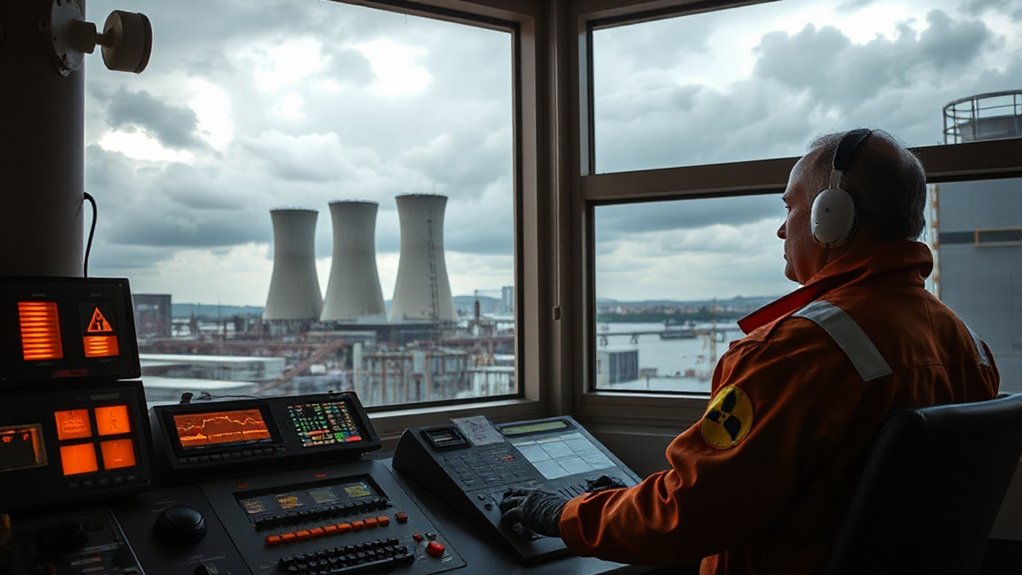
After an entire decade offline, Tokyo Electric Power’s Kashiwazaki-Kariwa nuclear plant couldn’t even make it through day one of operations. The world’s largest nuclear facility—boasting a massive 1.35 gigawatt Unit 6 reactor—shut down hours after its controversial restart when an alarm signaled a control-rod issue.
Talk about a false start. This marked the plant’s fourth attempt to resume operations since the devastating 2011 Fukushima disaster. The facility, located in Niigata province, previously powered millions of Japanese homes before falling silent alongside other reactors nationwide. Now it can’t catch a break.
TEPCO officials quickly blamed the shutdown on a faulty alarm setting rather than an actual safety issue. Plant head Takeyuki Inagaki declared the reactor safe, scheduling another restart for February 9.
Sure, nothing builds public confidence like technical glitches on day one. Local residents aren’t buying it. The Japanese public remains deeply skeptical of nuclear power—and for good reason. The memory of Fukushima looms large. Many question why the government insists on reviving these aging facilities when alternative energy projects are flourishing across Asia.
Technical glitches on restart day won’t ease public fears about aging reactors while Asia embraces cleaner alternatives.
Japan’s nuclear landscape has transformed dramatically since 2011. Once boasting 54 reactors generating 25% of the country’s electricity, only 33 remain functional today. The government has set an ambitious target to generate 20% of electricity from nuclear power by 2030, despite significant resident opposition. A mere 15 have been revived under stringent safety protocols, with nuclear’s share plummeting to just 5.3% of the energy mix in 2022.
Despite public wariness, the government is doubling down on nuclear power. June 2023 legislation even permits reactors to operate beyond the previous 60-year limit, pending appropriate approvals. This aligns with the country’s green transformation policy approved in February 2023 that allows construction of new advanced nuclear reactors.
Officials argue that restarts are essential for energy security, reduced fuel imports, and meeting climate goals. Meanwhile, the Kashiwazaki-Kariwa saga continues—a microcosm of Japan’s troubled relationship with nuclear power.
Fourth time’s the charm? We’ll see about that.
References
- https://energiesmedia.com/japans-kashiwazaki-kariwa-plantr-nuclear-revival/
- https://www.enerdata.net/publications/daily-energy-news/japans-hokuriku-electric-aims-restart-shika-2-nuclear-reactor-2026.html
- https://economictimes.com/news/international/world-news/japan-to-restart-worlds-biggest-nuclear-plant/articleshow/127964819.cms