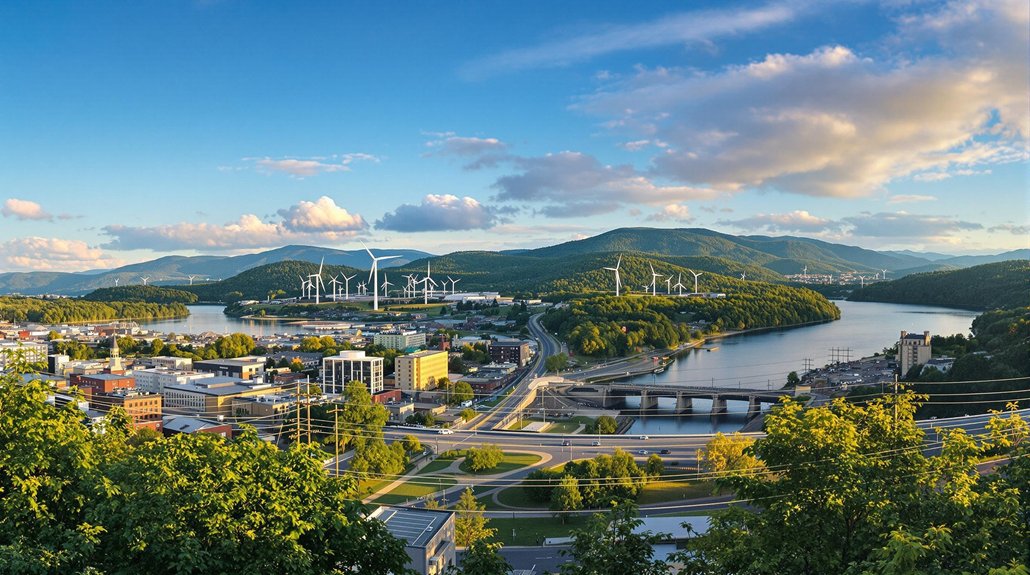

American cities are transforming how they power communities. Burlington, Vermont became the first U.S. city to reach 100% renewable electricity in 2014. Georgetown and Denton, Texas now run entirely on wind and solar power. These changes create jobs while stabilizing energy costs. In Boise, over 75% of residents support renewable goals. Cities use rooftop solar, modernized hydropower, and battery storage to build cleaner systems. Their practical solutions offer valuable lessons nationwide.
While climate change concerns mount across the globe, several American cities are taking bold steps to transform their energy systems. Burlington, Vermont made history in 2014 when it became the first U.S. city to achieve 100% renewable electricity using a combination of hydropower, biomass, and wind energy. The following year, Aspen, Colorado reached the same milestone by leveraging hydro, solar, and purchased wind power.
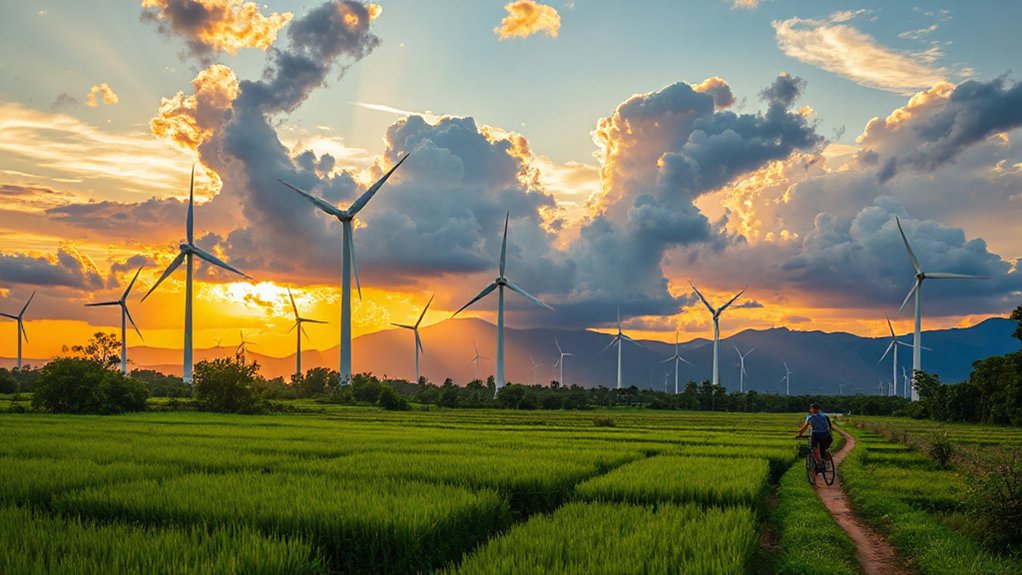
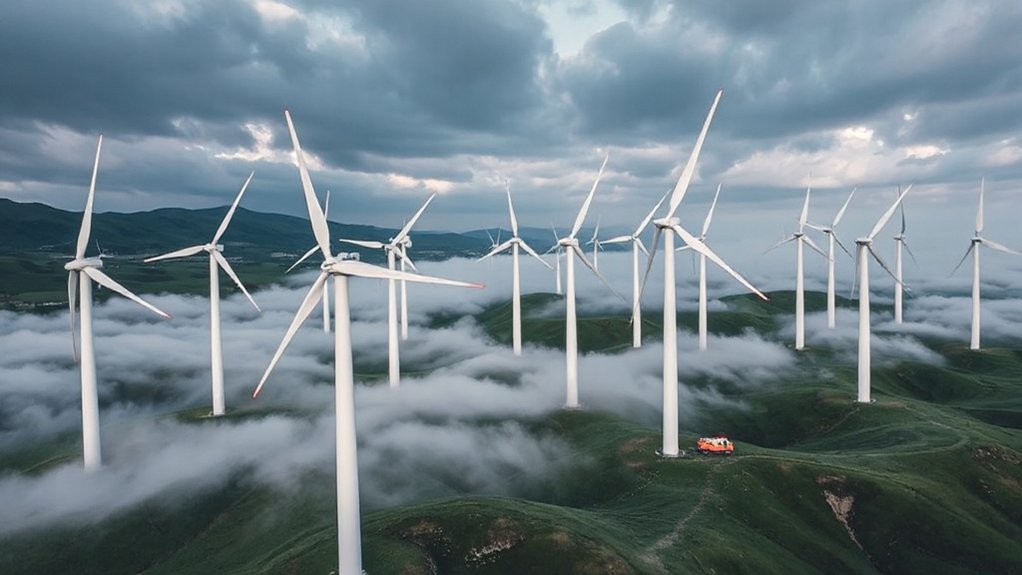
After being devastated by a tornado, Greensburg, Kansas rebuilt itself with sustainability in mind. Today, the town runs entirely on wind-generated electricity. In 2017, Georgetown, Texas joined this elite group, sourcing all municipal electricity from wind and solar. Meanwhile, Iowa City, Iowa hit its 45% emissions reduction target a decade ahead of schedule, showing how quickly cities can adopt clean energy.
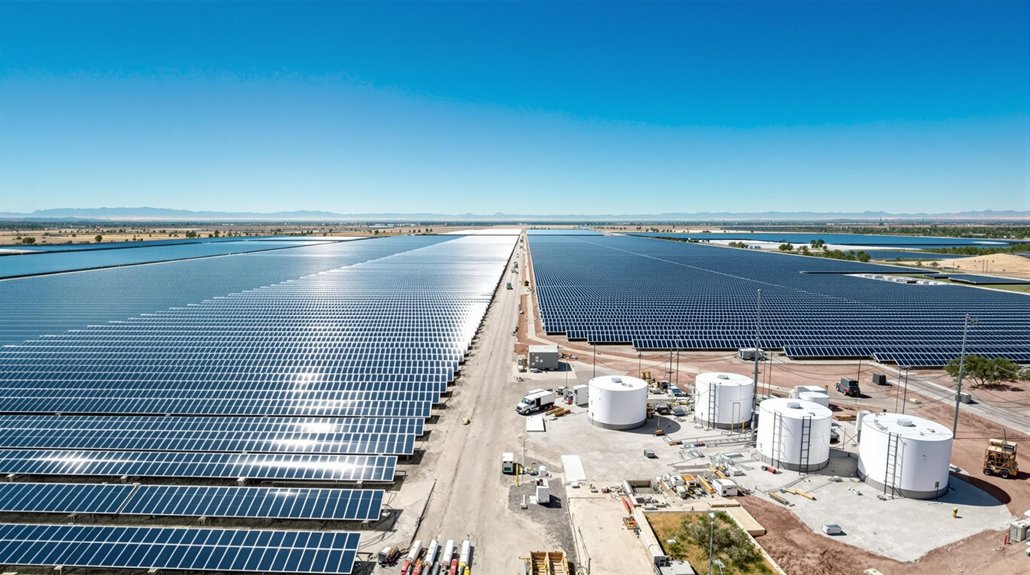
The economic benefits of renewable energy are substantial. In Mesquite, Texas, a Canadian Solar plant produces enough power for over 850,000 homes while creating 1,500 jobs. Cities investing in renewables experience greater energy cost stability and resilience to external price shocks. Boise, Idaho spends $250 million annually on energy, with much of that investment now directed toward renewable sources. Smart grid technologies are allowing cities to better manage and distribute renewable energy across their systems. Many cities benefit from the implementation of Renewable Portfolio Standards that require utilities to incorporate renewable energy sources.
Public support is essential to these shifts. Over 75% of Boise residents support the city’s renewable energy targets. City-owned utilities, like Burlington Electric Department, allow for direct management of renewable integration strategies. Regular public forums maintain dialogue between residents and policymakers on clean energy initiatives.
Technological innovation drives these shifts. Nashville, Tennessee has implemented rooftop solar on government buildings and geothermal systems for efficient heating and cooling. Cities like Aspen are modernizing hydropower and integrating microgrids to improve reliability. Utility-scale battery storage is emerging to balance variable renewable energy sources. Denton, Texas stands as the only city in the state operating on 100% renewable energy, serving 64,000 customers through wind and solar power.
These renewable-powered cities serve as blueprints for climate adaptation while providing local pollution reduction and health benefits. Through strategic partnerships and community engagement, American cities aren’t just talking about climate solutions—they’re building them.
References
- https://www.earthday.org/a-renewable-revolution-how-six-us-cities-are-leading-the-charge-to-clean-energy/
- https://www.earthday.org/6-unexpected-american-cities-leading-the-way-in-renewable-energy/
- https://www.renewableenergymagazine.com/panorama/six-american-cities-exceling-in-renewable-energy-20250422
- https://www.towerfast.com/press-room/us-cities-that-run-entirely-on-alternative-energy
- https://www.geotab.com/blog/renewable-energy/