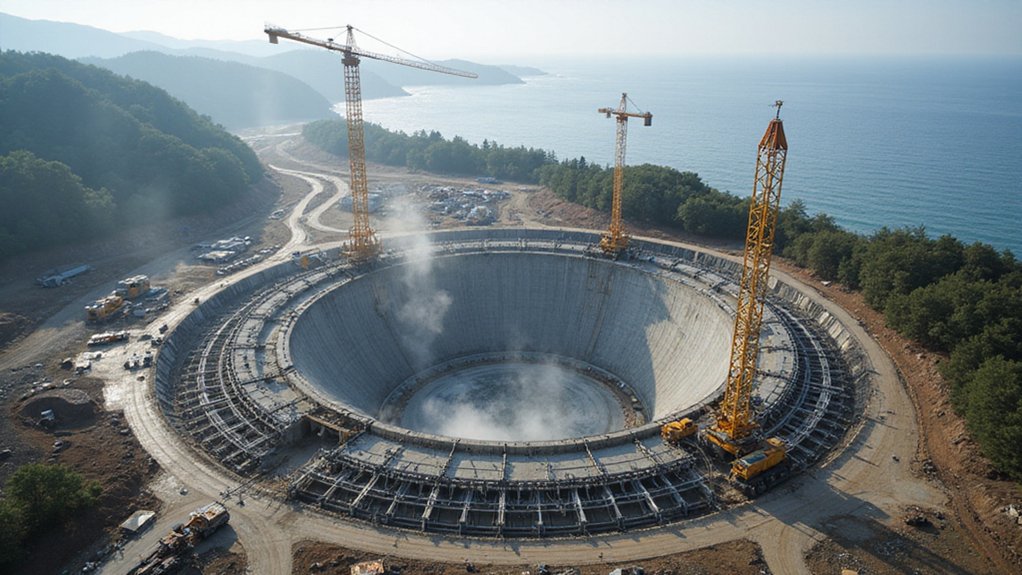
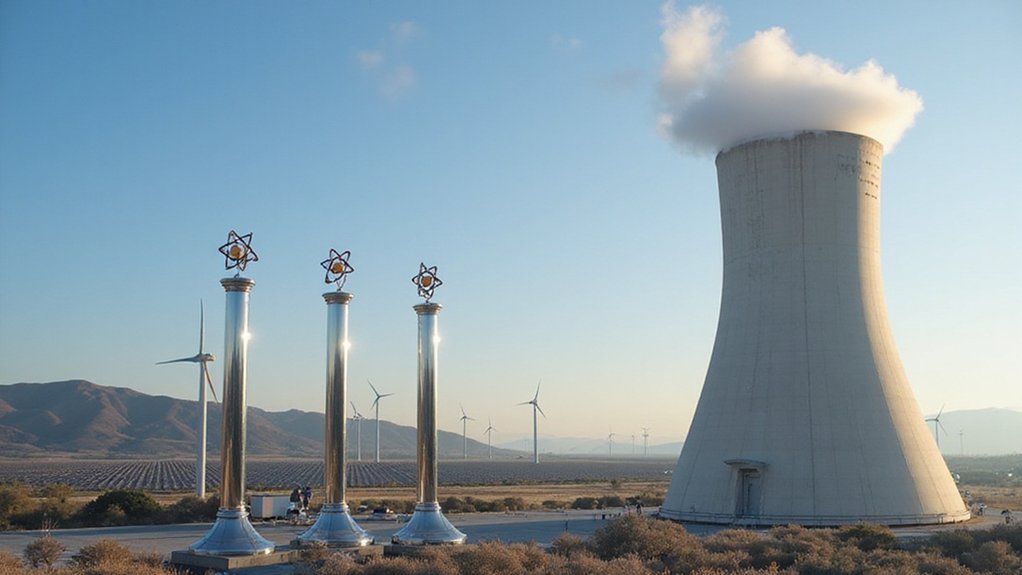
For the first time in over 40 years, the U.S. government has approved a new type of nuclear reactor. On March 4, 2026, the Nuclear Regulatory Commission (NRC) gave TerraPower permission to build its Natrium reactor in Kemmerer, Wyoming. It’s a historic moment for nuclear energy in America.
For the first time in over 40 years, the U.S. has approved a brand-new type of nuclear reactor.
The Natrium is a sodium-cooled fast reactor. That makes it different from the light-water reactors that power most U.S. nuclear plants today. TerraPower built it with GE Hitachi Nuclear Energy, and it’s received support from the Department of Energy’s Advanced Reactor Demonstration Program.
The plant will produce 345 megawatts of power under normal conditions. But it also uses a molten salt energy storage system. That system can boost output to 500 megawatts for more than five and a half hours when electricity demand is high. This design separates the nuclear part of the plant from the energy storage section, which doesn’t need NRC licensing.
The NRC’s approval came faster than expected. TerraPower submitted its construction permit application in March 2024. The NRC docketed it on May 14, 2024. Experts originally expected the review to take 27 months. Instead, it finished in just 18 months. TerraPower responded quickly to NRC questions, and federal policies like the ADVANCE Act helped speed things along.
This permit is the first of several milestones. It’s the first construction permit for a non-light-water reactor in more than 40 years. It’s also the first Generation IV advanced reactor approved under a key federal licensing framework. TerraPower will still need a separate operating license after construction is done.
Construction is expected to start within weeks of the March 4 approval. The full plant should be finished by 2030. When it opens, it’ll be the first utility-scale advanced nuclear plant in the United States.
The project sits on the site of a retired coal plant. Officials say the Natrium reactor supports U.S. clean energy goals and shows that the NRC’s licensing process has become more efficient. The reactor’s sodium coolant allows it to operate at high temperatures exceeding 350 degrees Celsius while maintaining low system pressure, enabling passive cooling through natural forces like gravity and thermal convection. The NRC’s safety and environmental reviews were conducted under both the Atomic Energy Act and the National Environmental Policy Act before the Commission cast its final vote.
References
- https://carboncredits.com/terrapower-wins-u-s-permit-for-first-natrium-reactor-as-advanced-nuclear-moves-closer-to-reality/
- https://thebreakthrough.org/press/release-the-nrc-issues-construction-permit-for-terrapowers-natrium-reactor
- https://www.terrapower.com/NRC-Approves-Natrium-Reactor-Construction-Permit
- https://www.ans.org/news/article-7818/nrc-approves-terrapower-construction-permit/
- https://www.energy.gov/ne/articles/nrc-issues-construction-permit-terrapowers-natrium-advanced-reactor
- https://newatlas.com/energy/natrium-nuclear-plant-construction-green-light/