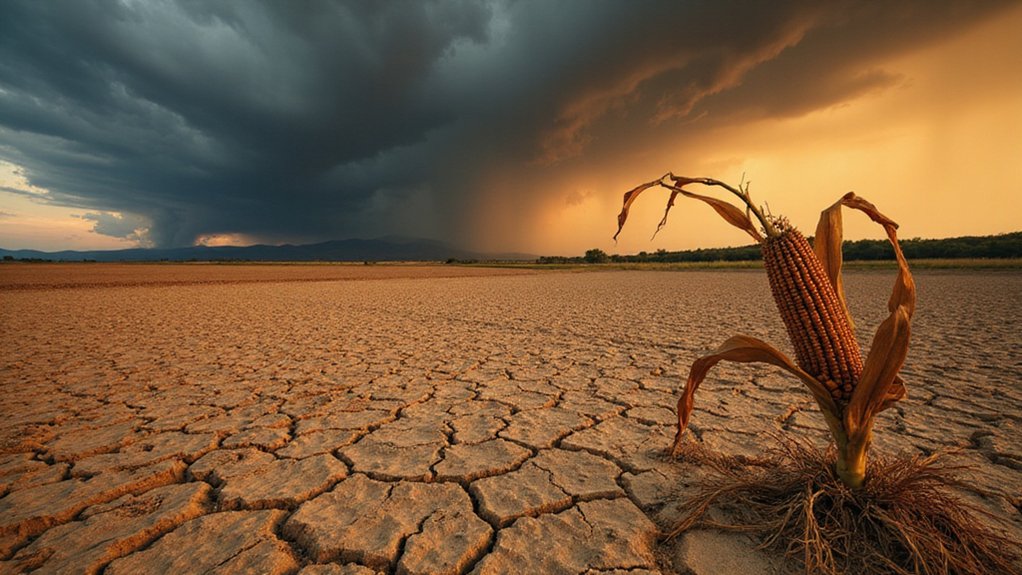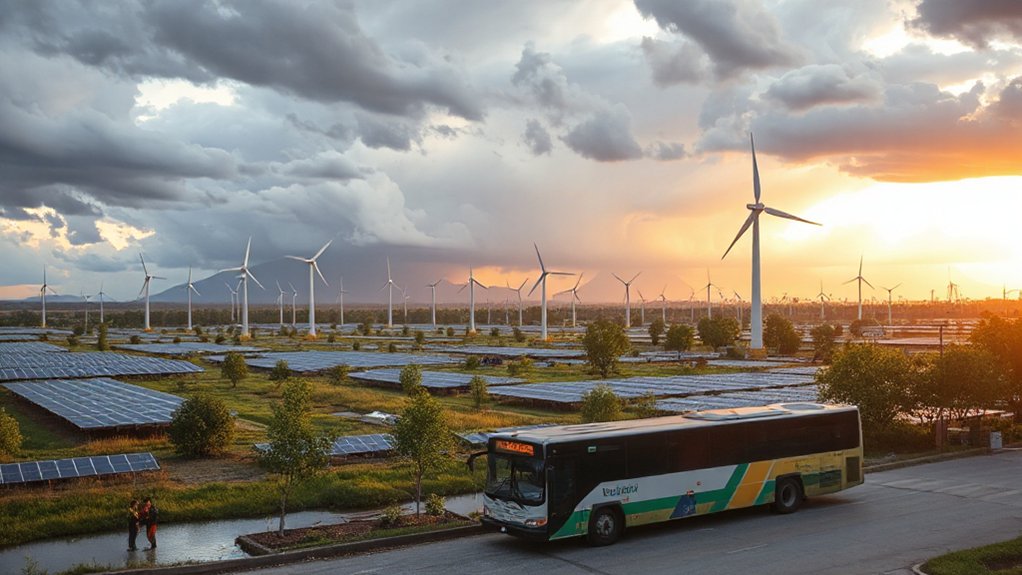

A tale of two realities. While 2024 became the first full year to exceed the 1.5°C temperature anomaly, climate action reached unprecedented levels. Individual actors registered on the NAZCA Portal more than doubled from 18,000 in 2020 to over 43,000 in 2025. Yeah, you read that right. Doubling. In just five years.
The numbers tell a conflicted story. Renewable capacity doubled since 2015. Forest finance quadrupled over the past decade. Disaster mortality halved. Progress, right? But here’s the kicker: not one of 45 indicators is on track for 2030 goals to limit warming to 1.5°C. Talk about mixed signals.
We’re sprinting backward in slow motion, celebrating our progress while the finish line drifts further away.
Current policies put us on track for a toasty 2.6°C warming. Full NDC implementation? Still 1.9°C. Not great, not terrible. Except it is terrible. We’re already 8% above 2030 NDC targets. That’s 2.5 gigatons of CO₂ equivalent we shouldn’t be pumping out.
The momentum is slowing down too. Climate action expanded by a measly 1% in new policies during 2024. Only 53 countries bothered to submit their 2035 NDCs by November 2025. Seriously, folks?
But it’s not all doom and gloom. Cooperative climate initiatives jumped from 149 to 243 between 2020 and 2025. The Global Climate Action Agenda evolved from a fancy talking shop to an actual implementation instrument. The State of Climate Action 2025 report highlights that tripling renewables by 2030 is essential for getting back on track. Systems transformation is underway. It’s just. Too. Slow.
The path forward? Scientists say we can still return warming to below 1.5°C this century. We’ll overshoot, sure, but keep it “small, short, and safe.” Whatever that means. With CO2 levels at 419 ppm—the highest in 3 million years—immediate action is not just advisable but essential.
As we mark the 10th anniversary of the Paris Agreement, the challenge is clear. Fossil fuel expansion keeps offsetting clean energy gains. Grid investment remains pathetically low. Building emissions increased despite efficiency improvements. Deforestation got worse, not better. Electric vehicles now represent over 20% of all passenger car sales globally, a remarkable shift from less than 1% in 2015.
The race is on. The finish line keeps moving. And we’re all wearing lead boots.
References
- https://unfccc.int/news/yearbook-of-global-climate-action-2025-tracking-progress-and-building-momentum-10-years-after-paris
- https://climateanalytics.org/publications/state-of-climate-action-2025
- https://www.wri.org/insights/climate-action-progress-1-5-degrees-c-2025
- https://www.oecd.org/en/publications/2025/11/the-climate-action-monitor-2025_aed0c4bb.html
- https://wmo.int/news/media-centre/2025-set-be-second-or-third-warmest-year-record-continuing-exceptionally-high-warming-trend
- https://climateactiontracker.org/documents/1348/CAT_2025-11-13_GlobalUpdate_COP30.pdf
- https://www.ncei.noaa.gov/access/monitoring/monthly-report/global/202505
- https://www.ey.com/content/dam/ey-unified-site/ey-com/en-gl/insights/climate-change-sustainability-services/documents/ey-gl-global-climate-action-barometer-11-2025.pdf
- https://climatechangetracker.org/climate-change-progress