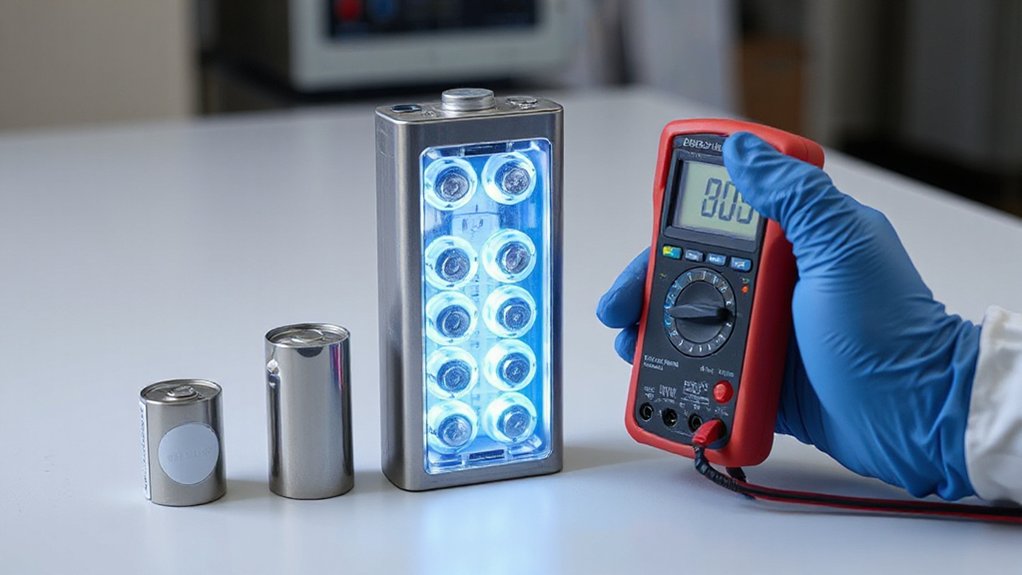

While lithium-ion technology has hogged the spotlight for decades, sodium-ion batteries are finally getting their moment. Operating on the same basic principle as their lithium cousins, these batteries shuttle sodium ions between cathode and anode during charge and discharge cycles. But here’s the kicker – they use dirt-cheap sodium instead of increasingly expensive lithium. No more fighting over those precious lithium reserves. What a relief.
The performance numbers aren’t too shabby either. With energy densities reaching 175 Wh/kg, they’re right up there with lithium iron phosphate batteries. Sure, they won’t power your smartphone for a week straight, but they’ll handle your electric vehicle just fine. Some cathodes deliver a whopping 472 Wh/kg at rapid charge rates. Not bad for the new kid on the block.
Sodium-ion batteries pack a surprising punch at 175 Wh/kg – enough muscle for EVs without the lithium premium.
These batteries are safer too. No spontaneous combustion. No explosions. They work from -20°C to 60°C without throwing a tantrum. Cold weather? No problem. Sodium-ion batteries actually perform better in winter than their lithium counterparts. Take that, conventional wisdom.
Recent breakthroughs have addressed previous limitations. Researchers at Dalhousie developed a lead and carbon nanotube anode delivering 475 mAh/g capacity. Others created solid-state versions maintaining 99.26% efficiency after 600 cycles. Multi-element cathodes now enable operation from -40°C to +70°C. That’s extreme-weather performance without the extreme price tag.
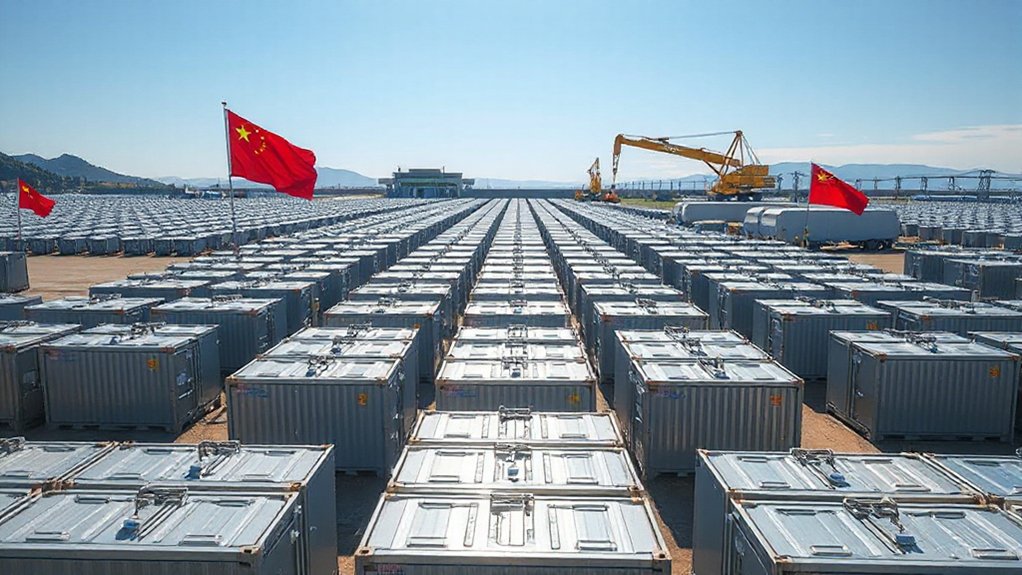
Challenges remain, obviously. The batteries are bulkier due to lower energy density. Sodium ions don’t pack as neatly as lithium. Manufacturing needs to scale rapidly. But companies aren’t waiting – mass production starts December 2025. KPIT Technologies and Trentar are already building a 3 GWh facility. The impressive safety features from solid-state electrolytes could help address scrutiny facing battery energy storage systems after recent fire incidents.
The potential applications are enormous. Electric vehicles. Grid storage. Anywhere you need cheap, dependable energy storage without the fire risk. After years of hype and promises, sodium-ion technology is finally delivering the goods. About time.
Interest in sodium-ion batteries experienced a notable resurgence in the 2010s due to rising costs of lithium-ion battery materials, making them an increasingly attractive alternative.
References
- https://en.wikipedia.org/wiki/Sodium-ion_battery
- https://www.livescience.com/technology/electric-vehicles/new-battery-breakthrough-could-make-electric-cars-and-grid-scale-storage-far-safer
- https://www.flashbattery.tech/en/blog/sodium-batteries/
- https://www.thebatteryshow.asia/sodium-ion-battery-how-does-it-work-pros-cons-explained/
- https://www.youtube.com/watch?v=KjiqqafD_0w
- https://www.spglobal.com/automotive-insights/en/blogs/2025/06/sodium-ion-battery-technology
- https://www.gtisoft.com/blog-post/everything-you-wanted-to-know-about-sodium-ion-batteries/