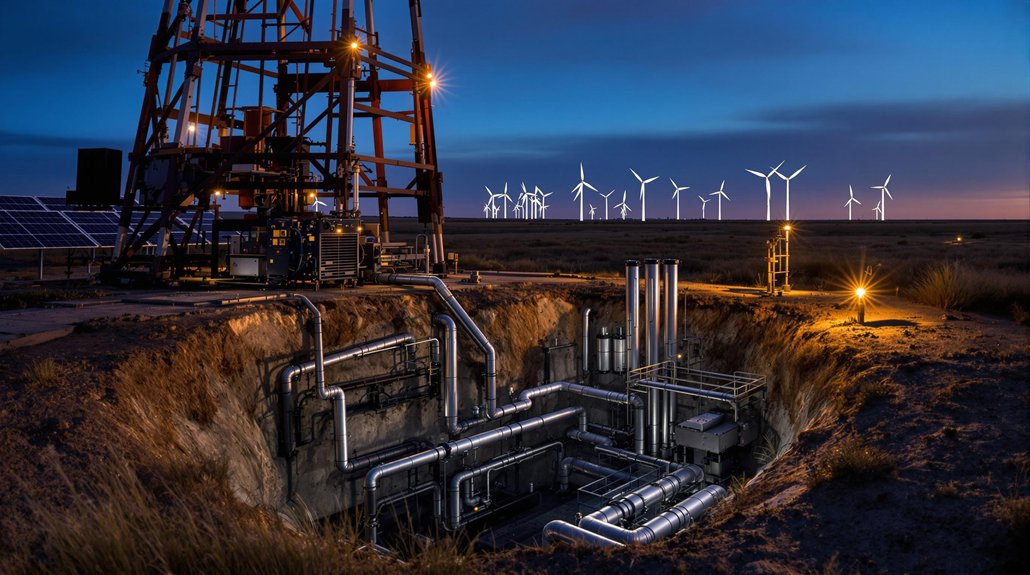
While California’s power grid keeps failing during heat waves and wildfires, a startup thinks the answer might be rust. Form Energy is betting big on iron-air batteries that literally rust and un-rust to store electricity for days, not hours. Their first California project hits Mendocino County by late 2025.
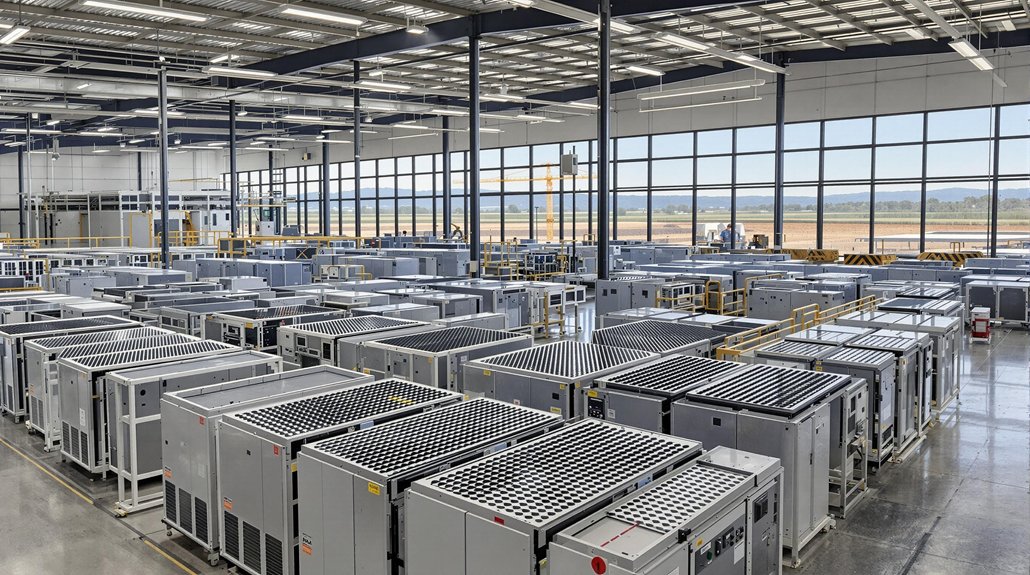
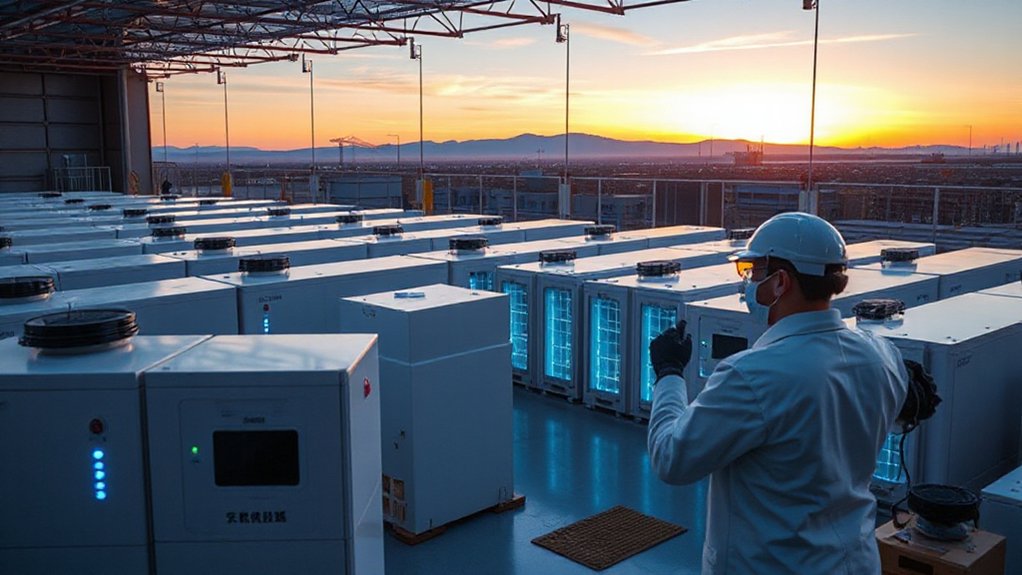
The technology sounds almost too simple. Iron turns to rust when the battery discharges, sucking in oxygen from the air. Apply current, rust becomes iron again, oxygen goes back out. Each module packs about 50 cells standing one meter tall. Stack enough together and you’ve got utility-scale storage that runs for 100 hours straight. This innovation helps address the intermittency issues that traditionally plague renewable energy sources like solar and wind.
Pacific Gas & Electric signed up for a 5 MW/500 MWh system at one of their substations. The California Energy Commission just approved a $30 million grant to build what will become the state’s largest long-duration energy storage facility. The same commission overseeing Form Energy’s project will decide by January 2026 whether to approve a controversial 250 MW lithium battery facility near San Juan Capistrano despite local opposition over fire safety concerns.
References
- https://www.utilitydive.com/news/form-energy-30m-grant-california-largest-long-duration-energy-storage/702765/
- https://www.cityoflagunaniguel.org/1710/Proposed-Battery-Energy-Storage-System-P
- https://www.energy-storage.news/california-battery-storage-grows-to-15763mw/
- https://www.power-eng.com/energy-storage/long-duration-energy-storage/multi-day-energy-storage-to-be-demonstrated-in-california/
- https://www.utilitydive.com/news/puget-sound-energy-form-energy-long-duration-iron-battery/704026/