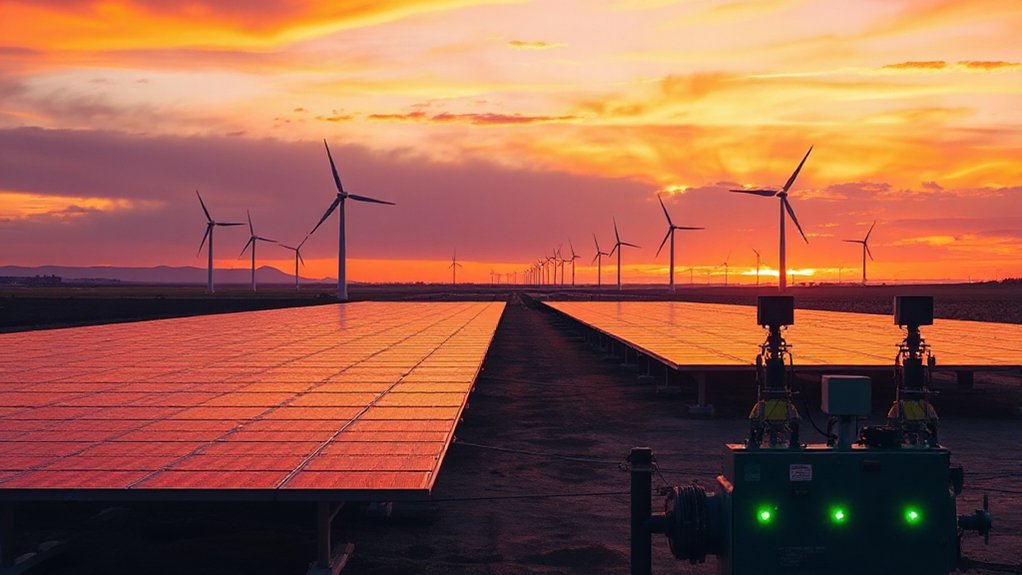
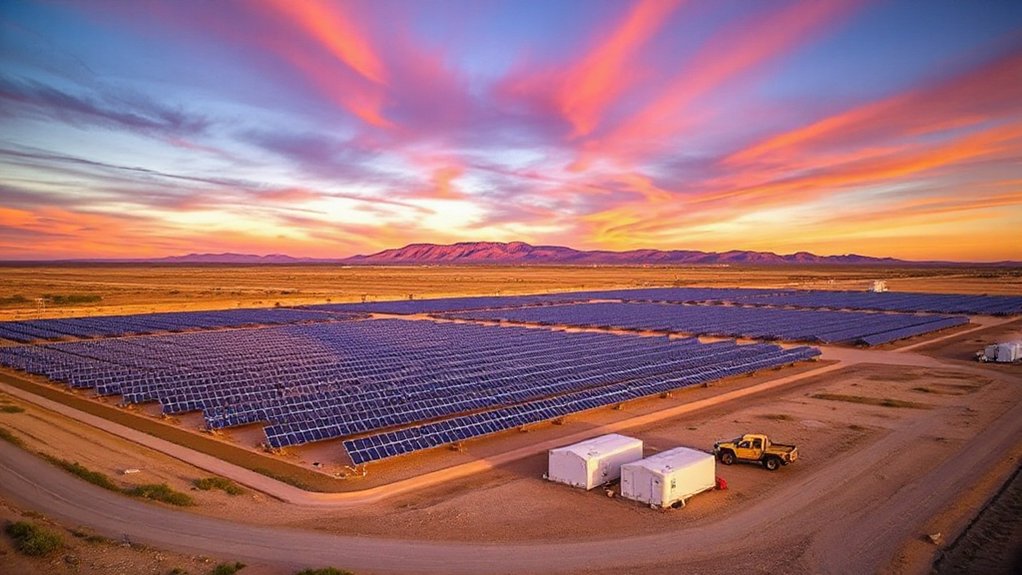
Progress doesn’t wait for permission. Australia just added nearly 7 gigawatts of renewable generation to its main grid in 2025, coming hot on the heels of last year’s record 7.5 GW. This isn’t some feel-good statistic for politicians to brag about. It’s transforming our energy landscape. Renewables hit 49.9% of electricity in the National Electricity Market during the December quarter. Almost half! For the full year, 42.9% of NEM generation came from clean sources.
Even Western Australia decided to join the party. The SWIS grid—supposedly the largest standalone grid worldwide (though they love mentioning that)—crossed the 50% renewable threshold during the December quarter. First time ever. About time.
The federal government has its sights on 82% renewable electricity by decade’s end. Ambitious? Sure. Impossible? Nope. Current capacity plus commitments get us to 46%. We need 23 TWh of new renewable generation annually from 2026-2030. Recent years averaged just 9,600 GWh. More work needed. Obviously.
Projects are stacking up nicely. Fifty-four large-scale approvals last year brought the total to 123 since 2022. The development pipeline expanded to 275 projects with 56.6 GW of generation and storage. Progress in motion.
All this clean energy isn’t just good for polar bears. Wholesale prices dropped 48% in the December quarter when renewables hit 50%. Residential electricity bills are projected to fall 5% over five years. Total energy costs could drop 16-21% in most states through electrification. This mirrors the experience in the U.S. where solar energy jobs have created economic benefits alongside environmental ones.
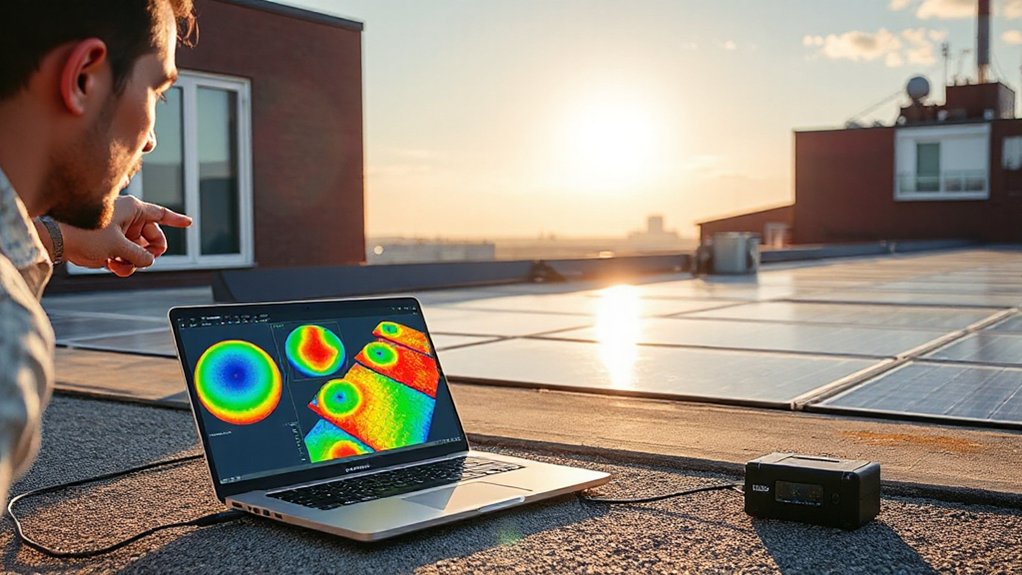
Consumers are getting in on the action. Since July, 185,000 households installed home batteries, slashing bills by up to 90%. Another 6,000 upgraded energy efficiency. The new Solar Sharer policy even mandates three hours of free midday power from energy companies. An impressive 140,000 new rooftop solar systems were installed from January to November 2025, further accelerating the residential renewable transition. These initiatives are already making a significant impact, with projects expected to power over 5 million homes across the country.
What’s next? More renewables, transmission, and storage. Cut the red tape. Speed up approvals. Build social license for transmission projects. Australia isn’t just cleaning up its act—it’s positioning itself as a renewable energy superpower. No permission needed.
References
- https://www.pv-magazine-australia.com/2026/01/07/bowen-says-renewables-transition-on-track-after-7-gw-added-to-grid-in-2025/
- https://cleanenergycouncil.org.au/getmedia/cf42b61a-f6de-4e73-9b99-a06f580f68aa/bridging-the-gap-to-82-per-cent-renewables-by-2030_final_august-2023.pdf
- https://greenreview.com.au/energy/australias-renewable-energy-transformation-surged-ahead/
- https://www.spglobal.com/energy/en/news-research/latest-news/energy-transition/010226-asia-pacific-to-boost-renewable-energy-capacity-in-2026-despite-geopolitical-challenges-inflation
- https://www.aemc.gov.au/news-centre/media-releases/faster-renewable-buildout-and-electrification-key-affordable-energy-transition
- https://carbon-pulse.com/471069/