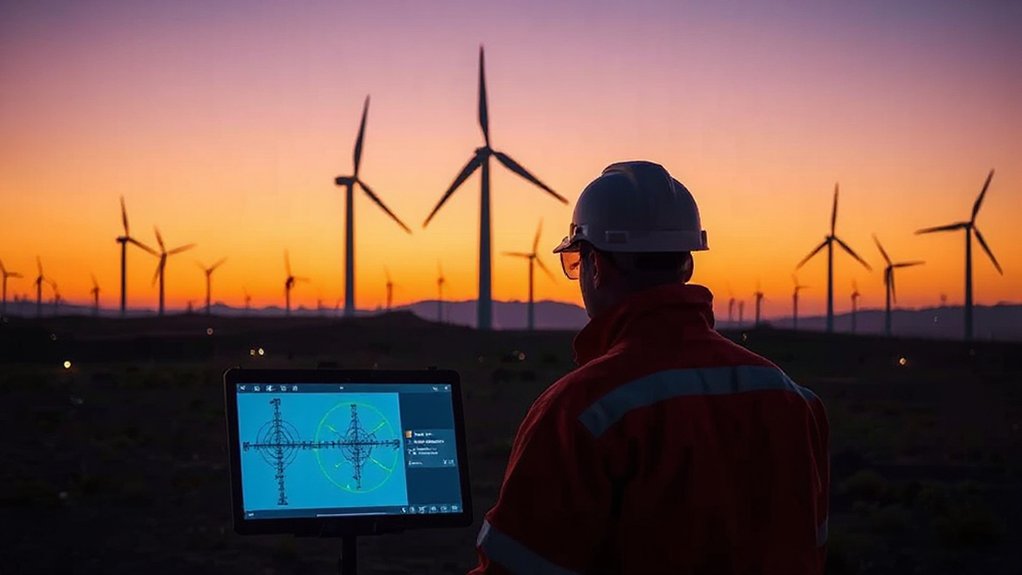
While traditional power plants continue their slow, gasping death, a new breed of energy system is taking the grid by storm. Virtual Power Plants—VPPs for the cool kids—are aggregating decentralized energy resources and making the impossible possible. They’re like the conductors of a renewable energy orchestra, harmonizing rooftop solar, wind farms, batteries, and even your neighbor’s electric vehicle into one cohesive power source. Not bad for something that doesn’t physically exist, right?
Last month’s cyberattack on three regional grids could have been catastrophic. Should have been. But it wasn’t. Why? Because these virtual power plants stepped up when we needed them most. The hackers targeted conventional infrastructure, but they couldn’t shut down what’s fundamentally a distributed network of thousands of small power sources. Good luck taking those all down, hackers.
VPPs don’t just look pretty on paper. They deliver real services—peak shaving, frequency regulation, reserve capacity—stuff that keeps your lights on and your Netflix streaming. They’re bundling together all those little solar panels and batteries that individually couldn’t participate in energy markets. Together, they’re powerful. Together, they’re resilient. And unlike weather-dependent renewables, these systems achieve a remarkable 96% capacity factor, rivaling the reliability of geothermal energy while maintaining flexibility.
Virtual power plants transform scattered energy assets into market powerhouses, turning individual weakness into collective strength.
The tech behind these systems isn’t simple, though it sounds like it should be. Advanced control systems with specialized algorithms manage everything in real time. Cloud-based platforms process mountains of data from thousands of assets. It’s complicated. It works anyway.
During the attack, grid operators were able to isolate compromised sections while VPPs ramped up production elsewhere. These systems securely transmit control commands and data through encrypted connections that prevent unauthorized access and manipulation. Some VPPs even supported islanded operation as microgrids to enhance energy security during the crisis. Flexible dispatch from storage and demand response kept the supply-demand balance stable. No blackouts. No panic. Just resilience in action.
Renewables used to be the fragile, unreliable energy sources everyone loved to mock. Not anymore. Through virtual power plants, they’ve become the backbone of a more secure grid. The future isn’t some massive nuclear plant or coal behemoth. It’s thousands of small, interconnected power sources working together. Invisible, unstoppable, and apparently, unhackable.
References
- https://www.next-kraftwerke.com/vpp/virtual-power-plant
- https://ieee-pes.org/trending-tech/virtual-power-plants/
- https://www.energy.gov/lpo/virtual-power-plants
- https://en.wikipedia.org/wiki/Virtual_power_plant
- https://aurorasolar.com/blog/what-is-a-virtual-power-plant-and-why-does-matter-for-the-solar-industry/
- https://rmi.org/clean-energy-101-virtual-power-plants/
- https://research-hub.nrel.gov/en/publications/virtual-power-plants-and-distributed-energy-resource-management-s/