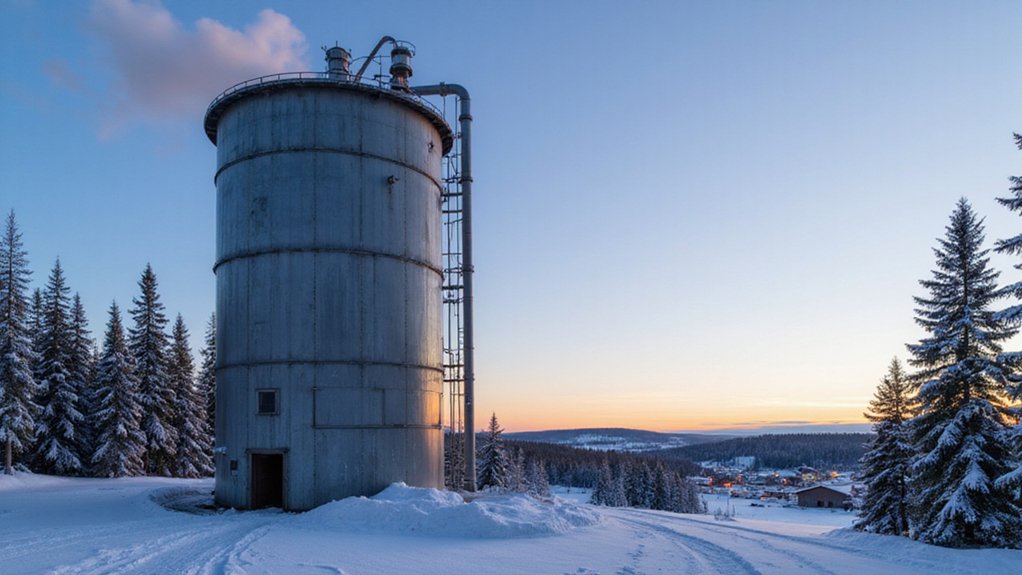
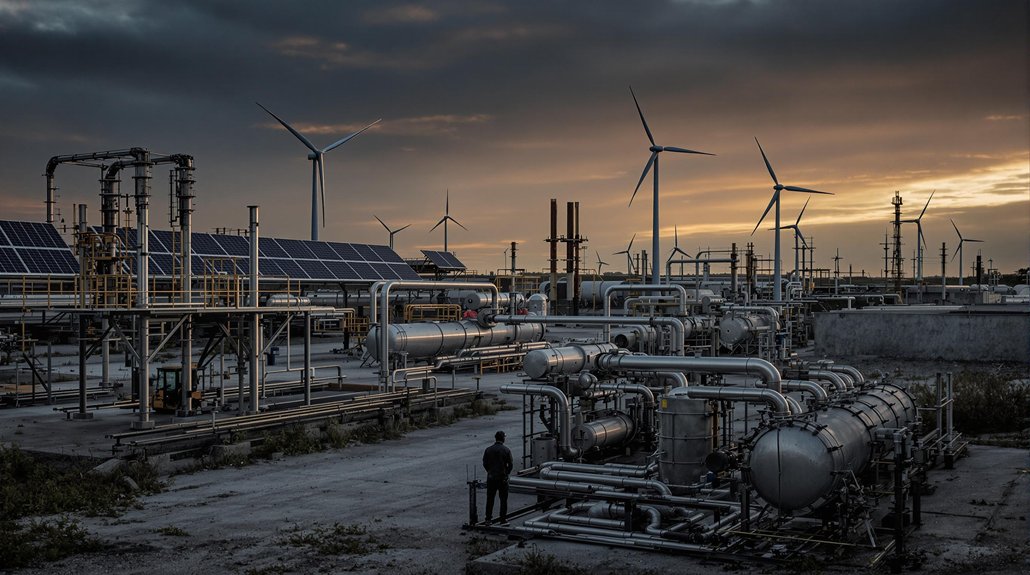
A toxic former mine in Questa, New Mexico, is getting a second life as a clean energy hub. Kit Carson Electric Cooperative (KCEC) plans to build a 50-megawatt solar array at the former Chevron molybdenum mine, now an EPA Superfund cleanup site. The project’s expected to generate enough clean energy to power nearly 25,000 homes each year.
KCEC received substantial USDA funding, reportedly $231 million announced January 13, 2025, through its Empowering Rural America program. KCEC serves about 30,000 customers across northern New Mexico. The cooperative has achieved major solar milestones, including high daytime solar penetration in 2022.
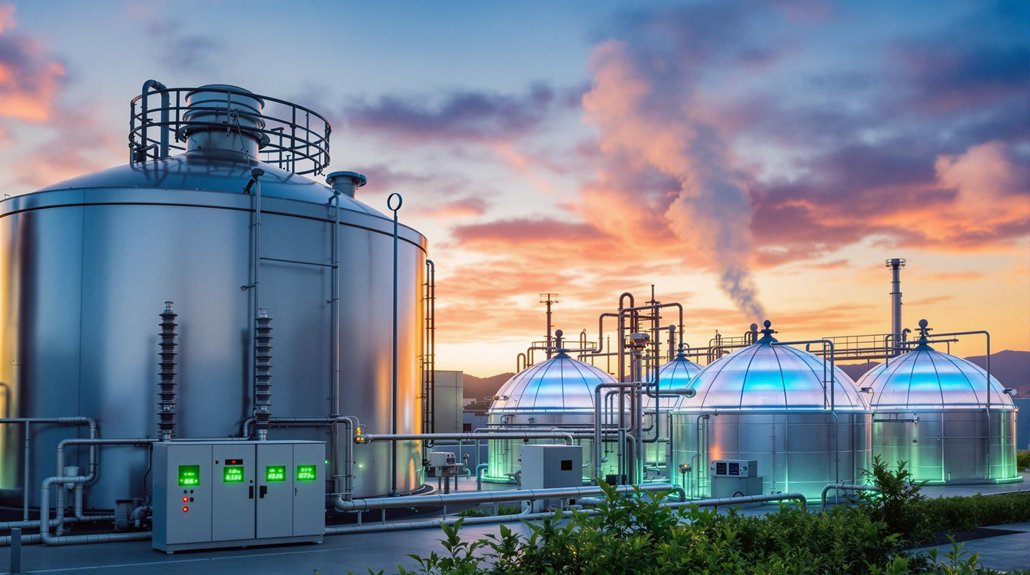
What makes this project unique is its use of green hydrogen as a giant battery. Solar panels will power electrolysis machines that split water into hydrogen and oxygen. That hydrogen gets stored and later used in fuel cells to generate electricity at night. The system’s expected to provide up to 50 hours of energy storage, far more than the 4-6 hours typical battery systems offer.
The site’s existing infrastructure makes it a smart choice. Chevron’s wastewater treatment plants are already there and could supply water for the electrolysis process. The area also gets about 300 sunny days per year, making it ideal for solar power. A smaller 1-megawatt solar farm has already operated at the site since 2010. The existing facility uses concentrator photovoltaic technology, focusing sunlight 500 times onto multijunction cells for high efficiency power generation.
Partners including Taos, Picuris Pueblo, Taos Pueblo, and Taos County will reportedly share in hydrogen project benefits. Notably, securing site water resources adds urgency for community-led redevelopment.
Construction’s planned for 2025 and 2026, with operations expected to start in 2026 or 2027. Key milestones, including progress targets for federal incentives, must be met. The solar phase is on track, though local approvals, such as power agreements, remain in process. The project also aligns with broader national efforts, as major federal hydrogen hub investments totaling billions across the U.S. have been allocated throughout the country.
Construction kicks off in 2025, with operations expected by 2026 or 2027—if key milestones and approvals fall into place.
The project’s goal goes beyond clean energy. It’s turning a site once linked to environmental damage into a source of long-term economic and energy benefits for rural northern New Mexico.
References
- https://cleantechnica.com/2026/04/04/superfund-site-still-on-track-for-solar-power-green-hydrogen/
- https://en.wikipedia.org/wiki/Questa_Solar_Facility
- https://kitcarson.com/electric/electric-info/kit-carson-questa-hydrogen-project/
- https://questacreative.org/ming/
- https://www.energy-storage.news/usda-awards-us231-million-to-new-mexico-electric-cooperative/