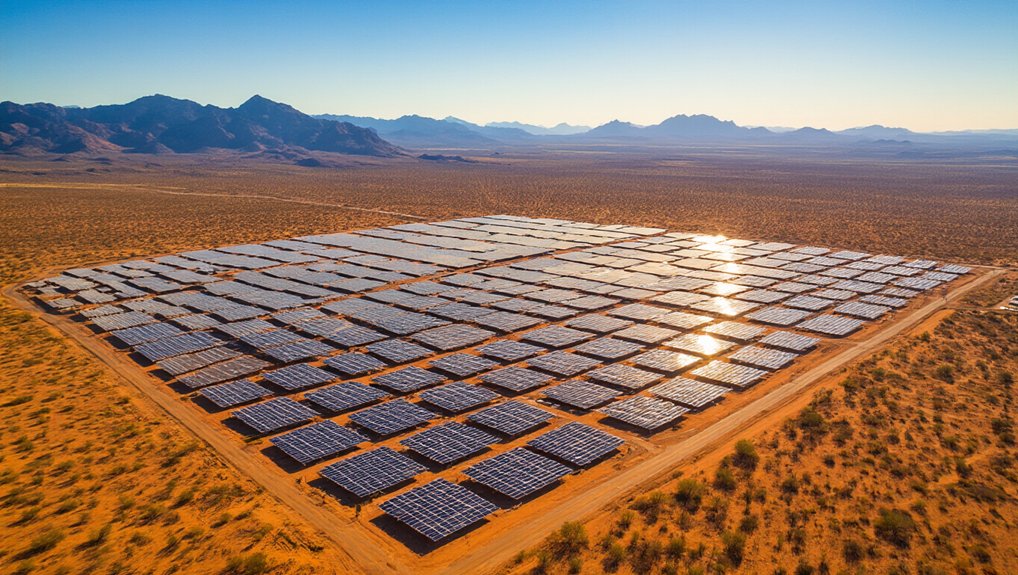
By the end of 2025, rooftop solar had become Puerto Rico’s second-largest source of electricity capacity. It reached 1,456 megawatts (MW), making up 20% of the island’s total power mix.
That pushed it past natural gas, which sits at 1,391 MW. Petroleum liquids still lead at 3,671 MW.
Puerto Rico’s total generation capacity has now reached approximately 7 gigawatts.
Rooftop solar’s growth over the past decade has outpaced every other energy source on the island. It accounted for 81% of all new capacity added between 2016 and 2025.
Growth has been steady each year since 2017. Residential installations jumped 36.7% in 2025, rising from 241 megawatts in 2024 to 329.5 megawatts.
A major reason for this growth is Hurricane Maria. The 2017 storm damaged 80% of Puerto Rico’s grid.
Net generation collapsed from 1.57 million megawatt-hours in August 2017 to just 0.27 million in October 2017. After that, many residents and businesses turned to rooftop solar for reliability.
Frequent outages pushed people toward distributed energy rather than depending on the central grid.
By the end of 2025, there were 191,929 active rooftop solar systems across the island. That’s an average of about 3,850 new systems installed every month throughout 2025.
Rooftop solar far outpaces utility-scale solar, which only has 165 MW of capacity despite plans dating back to 2020.
Battery storage has grown alongside solar. About 171,372 households and businesses had distributed batteries by the end of 2025.
Together, those batteries hold 2,864 megawatt-hours of storage capacity. They’re paired with rooftop solar to keep the lights on during outages. A typical solar panel system paired with battery storage typically lasts 25 to 30 years according to industry standards, providing long-term energy resilience for homeowners.
LUMA’s Customer Battery Energy Sharing program allows battery owners to participate in virtual power plants, with seven participating aggregators currently listed on its website.
Still, challenges remain. Fossil fuel capacity has shown little to no reduction.
Rapid solar growth has coincided with ongoing grid challenges. Future progress may also face headwinds from shifting federal priorities.
Net metering, which pays customers for extra energy they send to the grid, has been a key driver of adoption so far. Data tracking these figures comes from both the Electric Power Monthly and the Puerto Rico Energy Bureau Quarterly Report on System Data.
References
- https://b27.ai/rooftop-solar-photovoltaic-systems-account-for-20-of-puerto-ricos-capacity-mix/
- https://pv-magazine-usa.com/2026/04/02/rooftop-solar-now-accounts-for-one-fifth-of-puerto-ricos-generation-capacity/
- https://www.utilitydive.com/news/rooftop-solar-puerto-rico-generation-mix-eia/816499/
- https://www.eia.gov/todayinenergy/detail.php?id=67406
- https://ieefa.org/sites/default/files/2024-06/Solar at a Crossroads in Puerto Rico_June 2024 (1).pdf
- https://newsismybusiness.com/residential-solar-energy-trends-upward-in-puerto-rico/