Perth battery manufacturer Magellan Power is betting big on Australia’s energy storage boom. The company’s seeking $15 million from outside investors to expand its operations dramatically over the next five years.
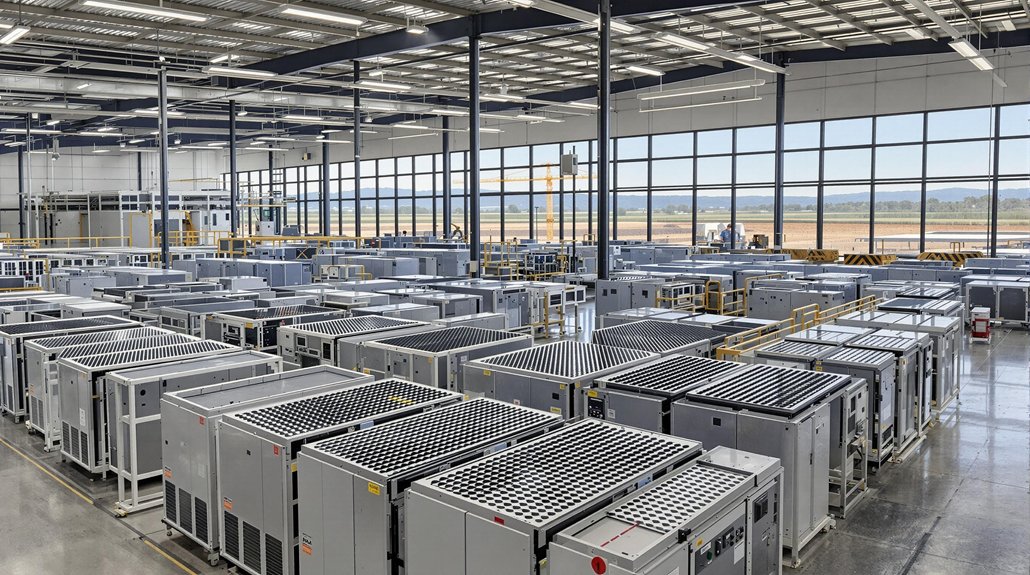
The money will help build a new 15,000 square meter headquarters and factory in Perth’s Hope Valley. Right now, Magellan’s Bibra Lake plant produces just 1-2 megawatt-hours of batteries each year. The company plans to boost that to 250 megawatt-hours annually within five years. That’s more than a hundred times their current output.
The timing looks good for Magellan’s ambitious plans. Australia’s home battery market is growing fast. The federal government’s Cheaper Home Batteries program is helping around 1,000 households install new battery systems every day. Most people are choosing 18-kilowatt-hour batteries for their homes. Magellan recently launched its Karri residential storage system to tap into this demand.
The company won’t just make home batteries at the new facility. They’ll also produce commercial energy storage systems, standalone power units, and microgrids. The investment will expand their battery recycling operations too. Magellan is developing a 4R program that focuses on battery repair, refurbishment, repurposing, and recycling. Battery storage costs are anticipated to decrease by 52% by 2030, making Magellan’s expansion particularly well-timed.
Magellan’s expansion goes beyond Perth. They’ve already opened an office in Brisbane and plan to set up manufacturing, warehousing, and service centers in other states. Each location will be designed to meet local needs. Some might focus on manufacturing while others handle distribution and customer service.
The company’s been around since 1991 when Masoud Abshar founded it. Back then, they made uninterruptible power supplies for tough environments. Now they’re focused on energy storage and recycling old batteries. Magellan specializes in off-grid power systems alongside their battery storage products.
Making batteries locally gives Magellan some advantages. They can serve Australian customers faster and avoid supply chain problems that affect overseas manufacturers. The expansion could also create jobs across the country.
Whether Magellan can reach its 250 megawatt-hour goal remains to be seen. But with government support driving battery demand and global firms pouring money into Australia’s energy storage sector, they’re making their move at an interesting time. The company’s success will depend on whether they can scale up production while competing with bigger manufacturers.
References
- https://www.pv-magazine-australia.com/2025/07/28/perth-battery-manufacturer-plans-major-expansion/
- https://reneweconomy.com.au/australian-battery-manufacturer-seeks-funds-for-significant-expansion-as-home-battery-market-booms/
- https://www.industryupdate.com.au/article/battery-manufacturer-expand-perth-facility
- https://reneweconomy.com.au/four-new-giant-batteries-to-be-built-in-w-a-as-worlds-biggest-isolated-grid-navigates-transition-from-coal/
- https://www.industryupdate.com.au/article/scalable-solution-could-deliver-3-billion-australia’s-manufacturing-sector