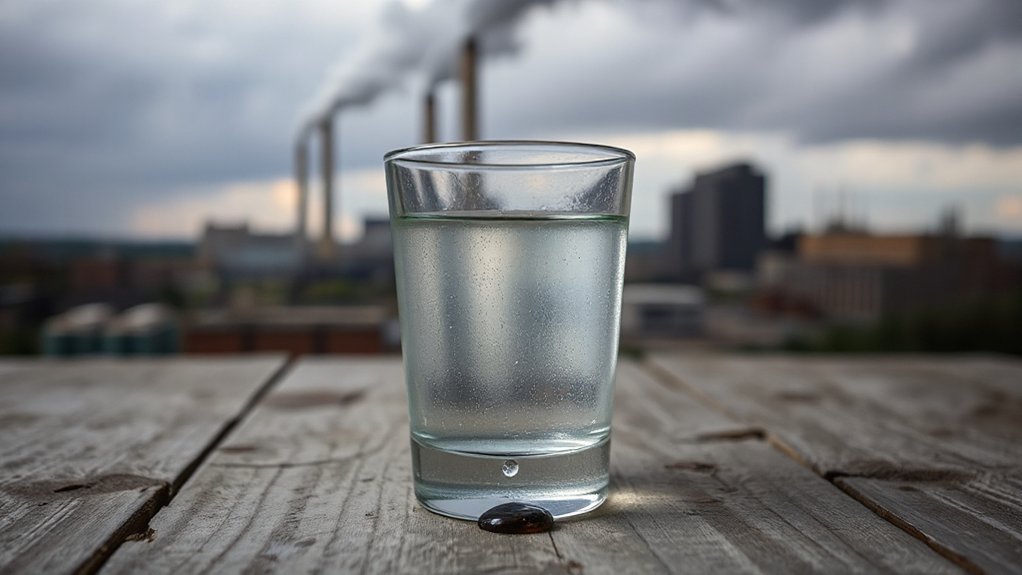
While Pennsylvania has long been lauded for its natural beauty, the reality beneath the surface tells a far more troubling story. One-third of the state’s streams are impaired, with a staggering 85,000+ miles failing to meet water quality standards. That’s not a typo. Nearly 20% of Pennsylvania streams are affected by impairments. Guess the postcards don’t show that part.
Pennsylvania’s pristine image hides a toxic reality—one-third of its streams poisoned while officials look the other way.
The threats are diverse and relentless. Acid mine drainage turns waters orange—literally orange—poisoning about 20,000 miles of streams. Fish can’t live there. Wildlife suffers. Families downstream? They’re just collateral damage in Pennsylvania’s industrial legacy.
Recent water emergencies paint a grim picture of infrastructure failures. Robinson Township residents boiled their water for five days in August 2025. Statewide drought watches affected 37 counties by December 2025. Pennsylvania American Water even requested residents reduce nonessential use by 10-15%. Four key indicators including precipitation and groundwater levels determine drought classifications in the state. Nothing says “advanced society” like not being able to rely on clean tap water.
Fracking operations aren’t helping. About 210 watersheds face declining supply from fracking activities, with 75% of fracking watersheds ranking in the top quarter nationally for impairment risk. The Ohio River Basin, serving five million people, contains 85% of these at-risk watersheds. Just spectacular planning. A recent spill released 16,000 gallons of wastewater near Williamsport, requiring emergency cleanup operations.
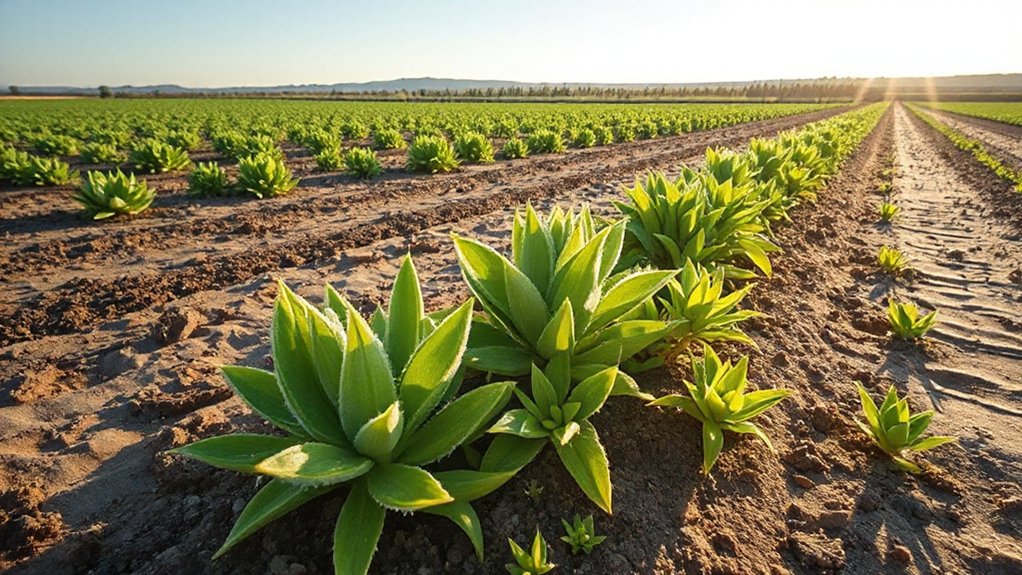
Agricultural runoff continues as the largest source of nutrient pollution. The state isn’t even on track to meet its 2025 Chesapeake Bay pollution-reduction goals. Farmers fertilize fields; watersheds get fertilized too. Bonus nutrients nobody asked for.
The newest threat? Data centers. With 57-97 facilities statewide as of October 2025, these water-guzzling complexes strain already vulnerable supplies. The Susquehanna River Basin Commission now reviews projects using over 20,000 gallons daily.
Pennsylvania logged over 28,000 Safe Drinking Water Act violations in 2022 alone. That’s not oversight—that’s negligence on an industrial scale. For a state built on water resources, Pennsylvania seems determined to poison the well for generations to come.
References
- https://crystalquest.com/blogs/water/pennsylvania-water-contamination-2025
- https://www.fractracker.org/2023/09/pennsylvania-watersheds-at-risk-water-supply-decline/
- https://www.stocktitan.net/news/AWK/pennsylvania-american-water-asks-customers-in-17-counties-to-reduce-enyhspap7peg.html
- https://www.amwater.com/press-room/press-releases/pennsylvania/pennsylvania-american-water-shares-that-statewide-drought-watches-have-been-lifted
- https://www.alleghenyfront.org/pennsylvania-data-centers-water-supply/
- https://www.pa.gov/agencies/dep/programs-and-services/water/bureau-of-safe-drinking-water/interstate-water-resources-management-division/drought-information
- https://www.usgs.gov/pennsylvania-waters-newsletters/pennsylvania-waters-spring-2025
- https://extension.psu.edu/data-centers-and-water-use-in-pennsylvania/
- https://www.drought.gov/news/building-drought-early-warning-capacity-mid-atlantic-2025-04-17