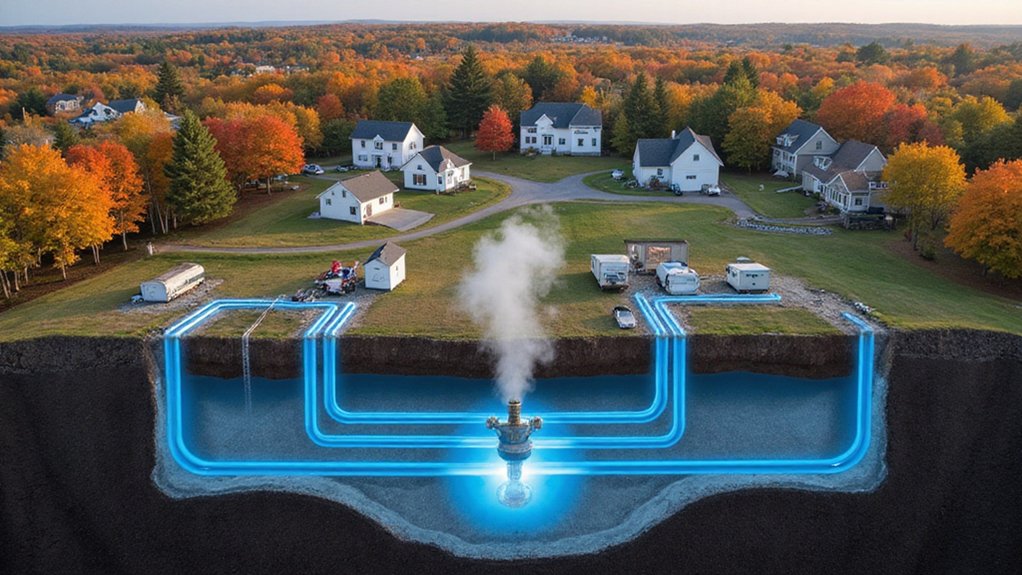
Oregon’s building code is getting a major update. The state’s Residential and Manufactured Structures Board approved changes to the 2026 Oregon Residential Specialty Code in February. The new rules will require heat pumps as the primary heating and cooling source in all new homes.
Under the updated code, the first stage of heating must come from a heat pump. Natural gas, propane, or electric furnaces can still be used as backup. The change also replaces traditional ducted air conditioning systems with split-system heat pumps. These units handle both heating and cooling in one system. This supplemental heating approach also aims to reduce grid strain during peak load periods.
Heat pumps must now serve as the primary heating source, with gas or electric furnaces allowed only as backup systems.
The new rules don’t apply to existing homes. Builders also have alternative paths to meet the code without installing heat pumps. Homeowners can pay for other efficiency upgrades instead.
State officials say the update will save homeowners money. Average savings are estimated at $125 per month, or more than $1,700 per year. Compared to the current 2025 code, yearly savings could reach $1,490. Energy bills across Oregon have risen roughly 50% since 2020. Heat pumps are expected to help ease that pressure on household budgets.
The code change aligns Oregon with building standards already adopted in California and Washington. It also supports the state’s broader energy goals. Oregon aims to install 500,000 heat pumps by 2030. The Oregon Department of Energy says new buildings meeting this code could reduce energy use and greenhouse gas emissions by 60%. The update advances the state’s decarbonization and climate resilience plans.
The proposal has wide backing. The Oregon Department of Energy submitted a letter of support. At least 54 building professionals, local officials, and climate organizations endorsed it. Supporters include the Sierra Club Clean Heat Campaign, Earth Advantage, Talent City Council President Eleanor Ponomareff, and Birdsmouth Design-Build CEO Joshua Salinger.
Officials say the changes will improve housing quality over time. Lower energy costs could make homeownership more affordable. The updated code also aims to protect residents from extreme weather by providing reliable year-round heating and cooling.
References
- https://news.brgbuildingsolutions.com/post/oregon-approves-residential-energy-code-requiring-heat-pumps-in-new-homes
- https://www.smartcitiesdive.com/news/heat-pumps-oregon-new-housing/812578/
- https://www.homes.com/news/oregon-mandates-heat-pumps-in-some-new-residential-construction/2014515467/
- https://hardinet.org/posts/advocacy/oregon-code-now-requires-heat-pumps-in-new-home-construction
- https://govmarketnews.com/oregon-heat-pump-building-code-2026/
- https://www.planetizen.com/news/2026/02/137000-oregon-requires-energy-efficient-heat-pumps-new-housing
- https://www.achrnews.com/articles/165860-oregon-requiring-heat-pumps-on-new-homes
- https://www.oregon.gov/energy/Incentives/Pages/HP3.aspx