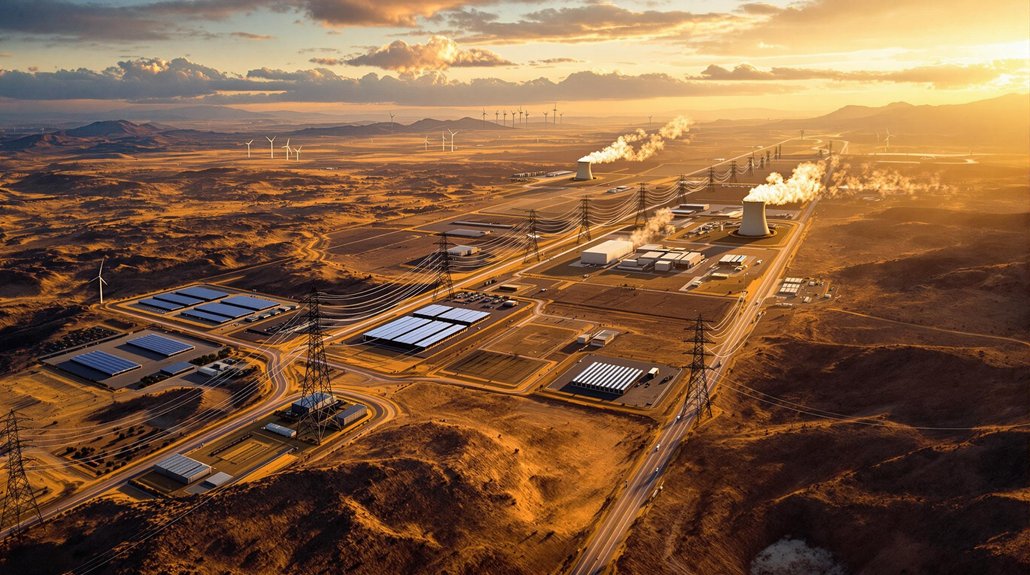
While oil prices surge and headlines scream about energy crises, America’s actual energy policy has quietly moved on to bigger problems. The days when a spike at the pump could derail Washington’s entire agenda? Ancient history. Today’s policymakers have their hands full with AI data centers gobbling up electricity like teenage boys at a pizza buffet.
America’s energy obsession shifted from gas pumps to AI data centers eating electricity like teenage boys at pizza buffets.
The shift makes sense when you look at the numbers. America pumps out record amounts of oil now—we’re swimming in the stuff. The country became a net exporter of petroleum and natural gas in the early 2020s, which basically means we’re the neighborhood gas station selling to everyone else. Hard to panic about supply when you’re the supplier.
But here’s where it gets interesting. While oil prices bounce around like a rubber ball, the real action happens in boardrooms where executives fret about powering the next ChatGPT server farm. These tech giants need electricity, and lots of it. Nobody’s checking oil prices when they’re trying to keep the lights on for billions of AI calculations per second. In fact, U.S. power generation hit its highest volume in two decades in 2024, driven largely by renewable energy expansion and steady natural gas capacity. Data center demand projections range from 30-65 GW over four years, creating unprecedented pressure on grid capacity.
The political theater continues, of course. Republicans want to gut renewable energy tax credits. Democrats defend them. States ignore Washington and push their own climate goals anyway. It’s messy, sure, but that’s democracy.
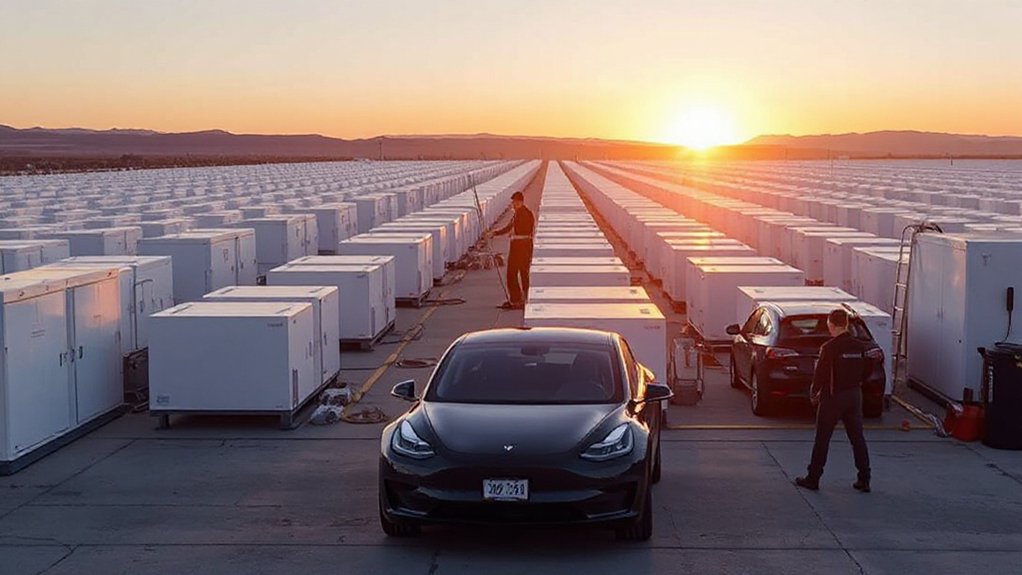
The funny thing? Even with all the political noise, renewable energy and natural gas keep growing faster than oil. AI is transforming the renewable energy landscape by predicting supply and demand patterns with remarkable precision. Turns out businesses hate uncertainty more than they hate regulations.
Strategic reserves used to be the government’s panic button whenever oil spiked. Now? They’re more like that emergency chocolate bar in your desk drawer—nice to have, but not your first move anymore. Federal energy policy has bigger fish to fry: keeping the grid from melting down, meeting climate targets that may or may not survive the next election, and figuring out how to power an economy that runs on electrons instead of barrels.
The old playbook where oil prices dictated energy policy? Dead and buried. Welcome to the age where your smartphone’s next update matters more to energy planners than whatever drama unfolds in global oil markets.