New York’s Drive Clean Rebate program received $30 million in new funding this April. Consumers can now get up to $9,500 in combined rebates with federal incentives on over 60 EV models. The state’s charging infrastructure is expanding too, with increased incentives for Level 2 charger installations jumping to $3,000 per port. With 280,000 EVs already on New York roads, these initiatives aim to make clean transportation more accessible statewide. Further details reveal additional benefits for communities.
New York State has expanded its Drive Clean Rebate program with $30 million in new funding announced in April 2025. The program offers point-of-sale rebates of up to $2,000 for more than 60 electric vehicle (EV) models. When combined with federal tax credits of up to $7,500 from the Inflation Reduction Act, New Yorkers can now save up to $9,500 on a new EV purchase.
The rebates, administered by the New York State Energy Research and Development Authority (NYSERDA), are available at dealerships across all 62 counties. Both purchases and leases qualify, with higher rebate amounts for longer-range, all-electric vehicles. Since the program began in 2017, more than 190,000 rebates have been issued statewide.
The state has seen strong adoption rates, with over 280,000 EVs now registered on New York roads. In 2023 alone, nearly 79,000 new EVs were sold in the state. Officials report that the rebates have been a key factor in this growth. This initiative aligns with global trends showing renewable energy investments now exceed those in fossil fuels.
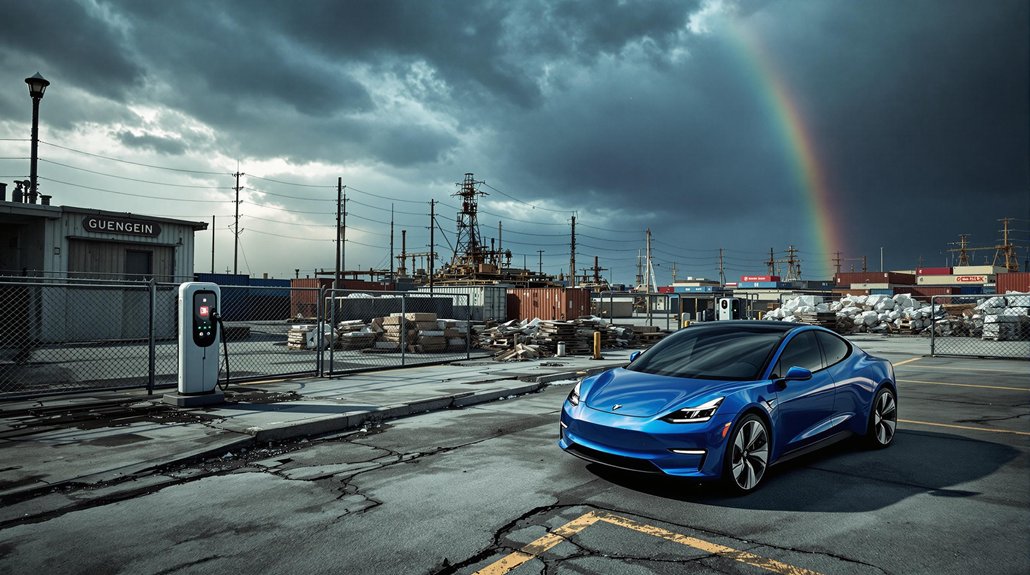
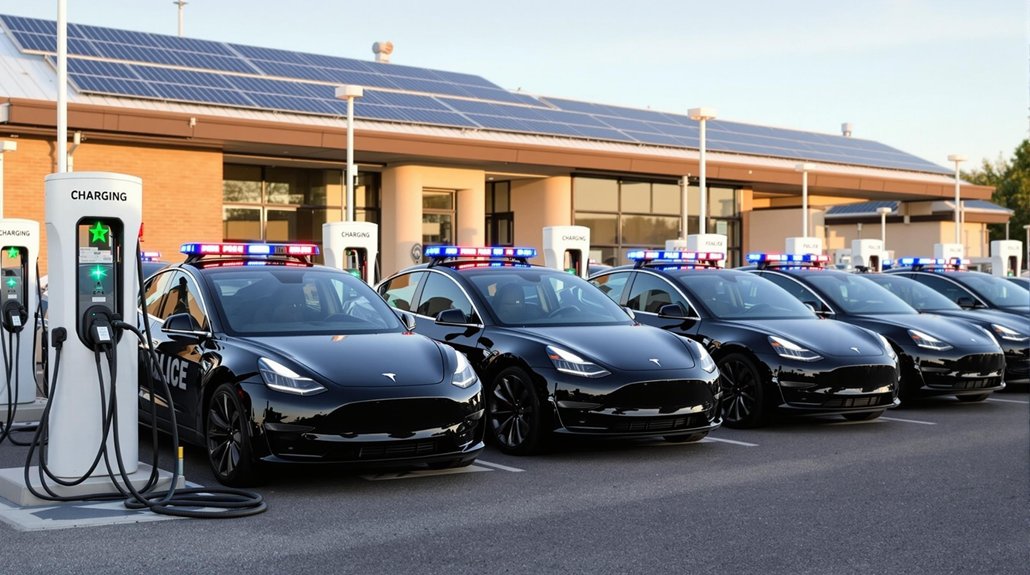
Alongside the rebate expansion, New York is investing in charging infrastructure. The Charge Ready NY 2.0 program offers incentives for installing chargers at workplaces and multifamily buildings. The state has increased incentives for Level 2 charger installations from $2,000 to $3,000 per port. The EVolve NY fast-charging network is also growing to reduce range anxiety for drivers. New York has also implemented a special $4,000 per port incentive for charger installations in disadvantaged communities.
These initiatives support both environmental and economic goals. EVs help reduce transportation emissions, improving air quality and public health. The clean energy sector is creating new jobs across the state.
“The combined incentives greatly lower the upfront cost of EVs,” said a NYSERDA representative. “When you factor in the lower fuel and maintenance costs, EVs are becoming the more affordable option for many families.”
The rebates are available to New York residents, businesses, and government entities. NYSERDA and participating dealerships provide information about how to stack these rebates with other incentives.
The expanded program continues New York’s commitment to cleaner transportation and meets growing consumer interest in electric vehicles.