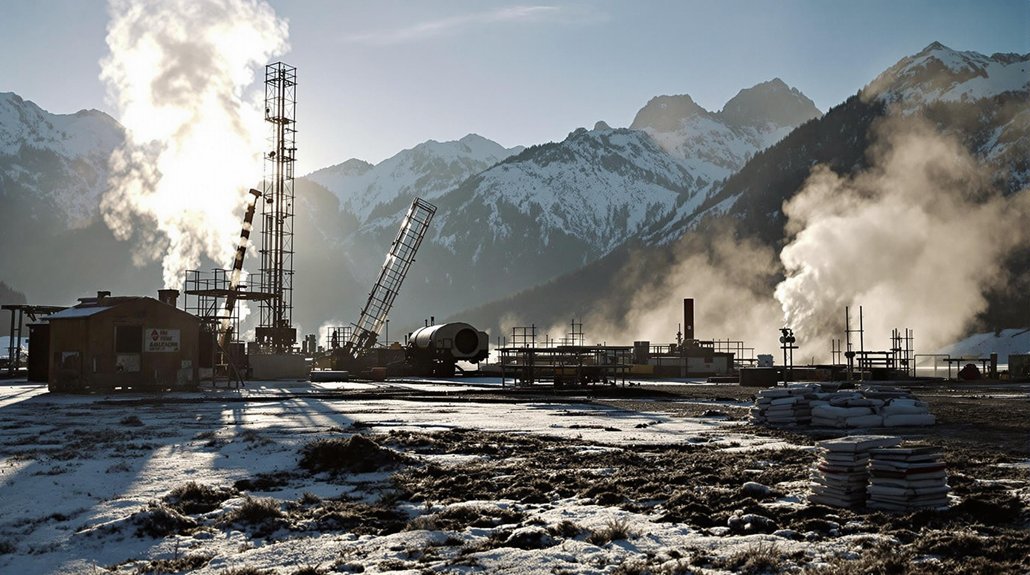
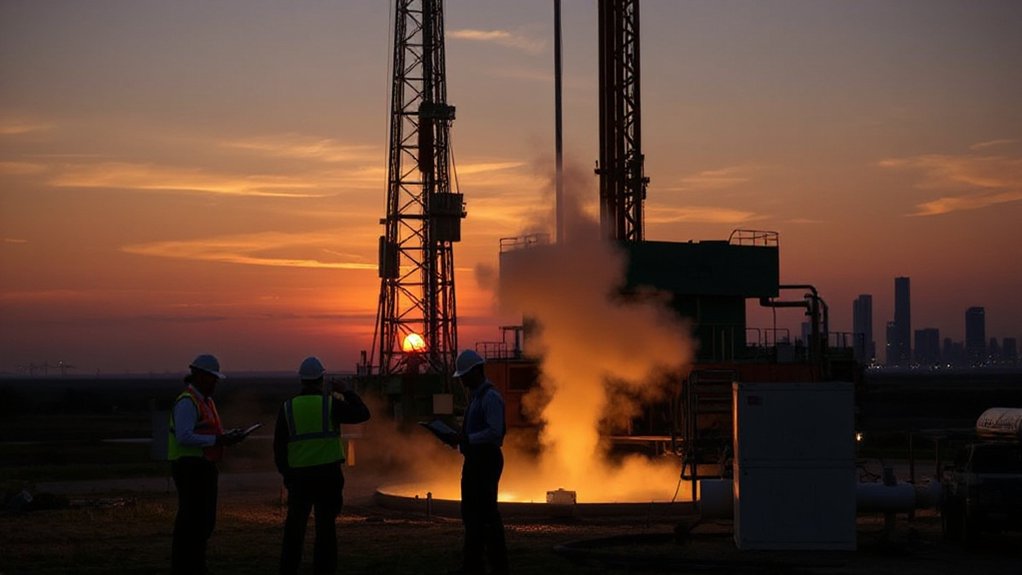
While promising cleaner energy for Hawaii, Waikā Consulting‘s $3 million campaign to promote geothermal development has instead ignited fierce community opposition. Town hall meetings have erupted into heated arguments, with residents accusing consultants of being “sellouts” for supporting projects many locals oppose.
At least half of the campaign funds have gone toward public relations, social media, and paid consultants. Many residents see these efforts as manipulative rather than informative. Attempts to include Hawaiian cultural practitioners in messaging have been criticized as insufficient by vocal community members. Ethics complaints have been filed against Waikā for illegal lobbying activities during their promotional campaign.
Financial priorities favor PR campaigns over substantive dialogue, leaving community voices marginalized in Hawaii’s energy conversation.
The backlash stems from deep historical distrust. Many Native Hawaiians and Big Island residents point to past industry controversies and what they describe as a lack of transparency. Cultural concerns about respecting the volcano goddess Pele remain central to the opposition. Despite geothermal energy’s minimal land use compared to other renewable energy sources, local opposition has focused on cultural significance of specific sites.
Questions about consultant credentials have intensified the conflict. Waikā Consulting and Innovations Development Group leadership face accusations of inflating their track records. Claims about successful New Zealand projects have been challenged, with media reports indicating these initiatives involved litigation and fraud allegations. Current paid consultant Gavin Murphy has been linked to previous failed geothermal projects in Hawaii.
Governance issues further complicate matters. A Hawaii Department of Hawaiian Home Lands commissioner has been criticized for participating in geothermal discussions despite employment by Puna Geothermal Venture, the island’s only plant operator. Testimony suggests a lack of community consultation before fast-tracking development on public trust lands.
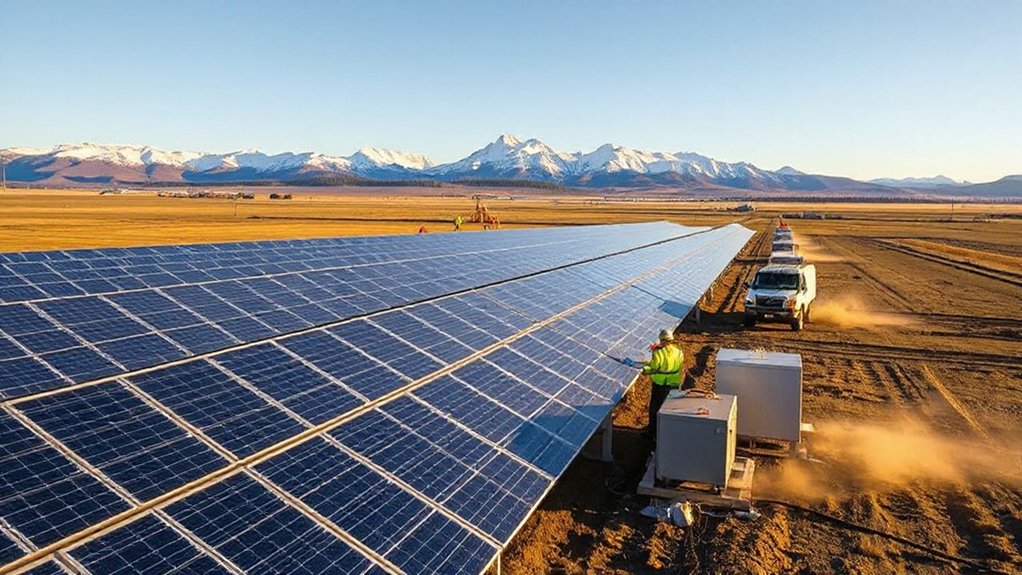
Health and environmental worries continue to fuel opposition, especially from Puna district residents. Community members regularly cite concerns about odors, emissions, and safety hazards near existing facilities. Many remain steadfast in their objection to expansion proposals by PGV. Advocates at recent town halls voiced strong preferences for solar energy as an alternative to geothermal development.
Despite the $3 million educational campaign, public opinion appears increasingly polarized. Critics argue that genuine community engagement, rather than expensive PR efforts, would better address the complex cultural, environmental, and ethical questions surrounding geothermal development in Hawaii.
References
- https://hawaiifreepress.com/Articles-Main/ID/45868/Fraud-and-Misrepresentation-IDG-Geothermal-Schemers-Get-Cold-Reception-from-Hawaii-County-Council
- https://www.civilbeat.org/2025/08/hawaiis-high-priced-geothermal-consultants-are-getting-heat/
- https://legiscan.com/HI/supplement/HB1307/id/511263/Hawaii-2025-HB1307-HB1307_HD1_TESTIMONY_JHA_02-11-25_.pdf
- https://www.civilbeat.org/2023/06/longtime-geothermal-critics-refuse-to-back-down-as-puna-plant-eyes-expansion/
- https://www.hawaiifreepress.com/Articles-Daily-News/ID/45745/June-20-2025-News-Read