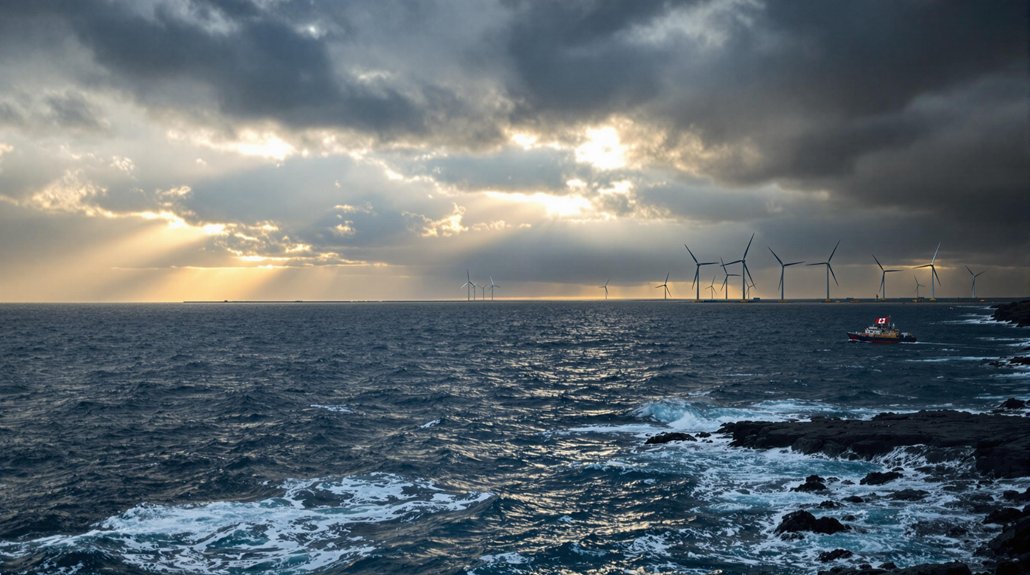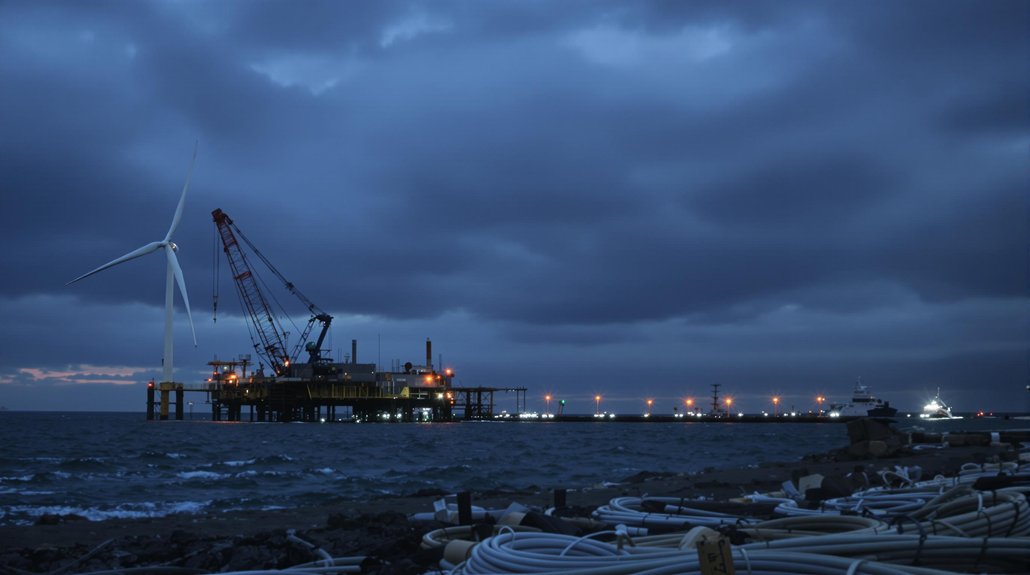
Nearly a decade after Massachusetts set ambitious goals for offshore wind energy, the state’s clean power dreams remain largely unfulfilled. Despite passing clean energy laws in 2016 that emphasized offshore wind development, Massachusetts has installed less than 100 megawatts of offshore wind capacity to date.
The state’s fourth offshore wind solicitation selected 2,678 megawatts across three projects in September 2024. However, only two major projects—Avangrid’s New England Wind 1 and SouthCoast Wind—remain in contract talks after Vineyard Wind 2 withdrew. Both surviving projects are targeting contract execution by December 31, 2025.
Contract deadlines have been postponed multiple times. The August 14, 2024 deadline was shifted at least four times. Officials cite “federal level activities” for these delays, including executive orders that suspended federal offshore wind permitting, legal challenges, and regulatory uncertainty.
Massachusetts has also postponed its fifth offshore wind solicitation until at least 2026. State energy officials want to allow industry stabilization and completion of Round IV processes before moving forward.
These delays come at a critical time for Massachusetts’ energy supply. The state has lost significant generation capacity with the closure of Brayton Point coal plant (1,000 MW) in 2017, Pilgrim nuclear plant (680 MW) in 2019, and Mystic gas plant (1,400 MW) in 2024. Offshore and onshore wind have replaced only about 200 MW combined.
State energy officials describe the delays as a “big headwind” to their original goals of significant offshore wind-derived clean energy by 2030. The combined output from delayed projects could power up to 900,000 homes once operational. The state needs to meet these goals to achieve its ambitious target of 50% reduction in carbon emissions by 2030 compared to 1990 levels.
Major investments, including New Bedford port facilities and the Liftra crane facility, are tied to project progression. Meanwhile, environmental and legal challenges continue to add complications to an already delayed timeline, threatening the state’s decarbonization and energy security targets for 2030. The delays mirror national challenges where grid interconnection backlogs have been identified as a significant obstacle to renewable energy expansion.
Residents are frustrated by the repeated delays, with growing concerns about the lack of transparency from utilities and state officials regarding how these setbacks will impact energy policy and prices.
References
- https://nantucketcurrent.com/news/new-offshore-wind-power-contracts-delayed-yet-again
- https://newbedfordlight.org/offshore-wind-power-contracts-delayed-again-to-2026/
- https://www.windtech-international.com/industry-news/massachusetts-delays-next-offshore-wind-auction-amid-federal-uncertainty
- https://newbedfordlight.org/offshore-wind-tracker-whats-happening-to-massachusetts-projects/
- https://www.mass.gov/info-details/status-of-offshore-wind-lease-development-in-the-northeast-online-viewer