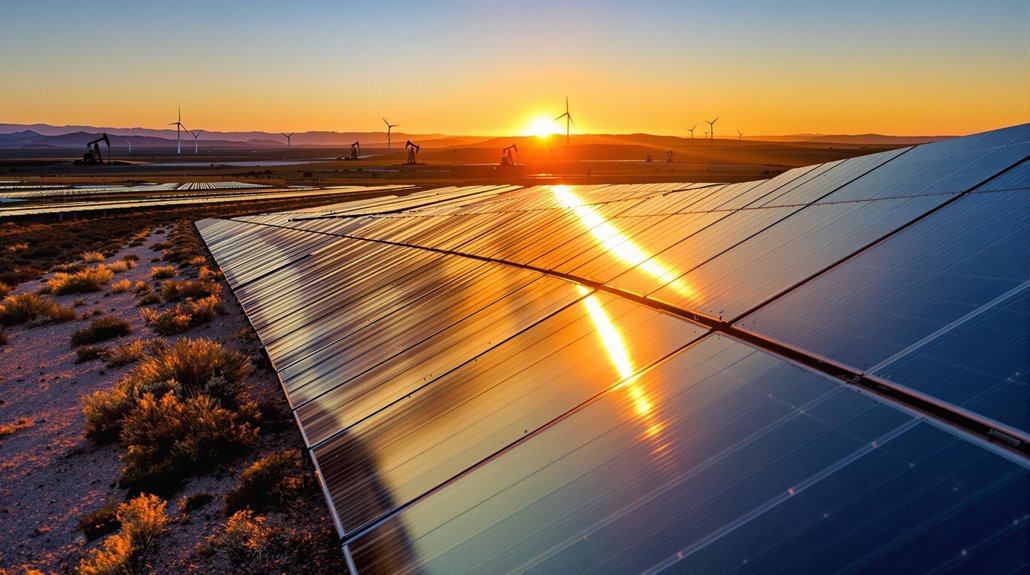
Maryland is betting $50 million on solar energy. The state plans to cover 115 acres of parking lots and brownfield sites with solar panels. These installations will sit on land owned by the Maryland Department of Transportation. The project could generate 35 megawatts of power. That’s enough to supply about 120,000 homes each year.
The money comes from Maryland’s Strategic Energy Investment Fund. The General Assembly approved the allocation in a prior budget cycle. Governor Wes Moore has proposed pulling $292 million from that same fund to help balance the state budget. Even after withdrawals, $164 million remains for clean energy work. Officials say the solar project fits the fund’s goals of cutting energy costs and boosting clean power. A total of $ 725 million is expected to be pulled from SEIF overall, leaving limited resources for its intended programs.
Maryland is tapping its Strategic Energy Investment Fund for $50 million in solar, even as the governor eyes the fund for budget relief.
MDOT is leading the effort with support from the Maryland Energy Administration. Acting MDOT Secretary Kathryn Thomson called it a “concrete visible commitment to climate action.”
MEA Director Kelly Speakes-Backman, a former Biden administration official, said the state will save on energy bills the same way homeowners do when they go solar. Anne Marie Esposito, who manages MDOT’s renewable energy programs, pointed to the agency’s massive electricity needs across airports, transit systems, and other facilities.
The project targets up to 25 sites on developed land. These include park-and-ride lots, transit stops, and airport properties. Natural lands won’t be used. Contractors will bid on the work before the end of 2026. Installation should take 12 to 18 months after contracts and utility agreements are finalized. Solar panels already shade parts of BWI Airport’s short-term parking garage, offering a model for future sites.
Transportation is Maryland’s largest source of greenhouse gas emissions. This project aims to offset 20% of MDOT’s total electricity use. It also adds solar supply to the grid at a time when data centers are driving up energy demand. Unlike solar, geothermal energy achieves a 96% capacity factor in U.S. plants, operating around the clock regardless of weather conditions.
Maryland had 272 megawatts of solar installed by 2025. The state wants solar to make up 14.5% of its electricity by 2030.
Evie Schwartz, an energy advocate, said highly visible panels on highways and parking lots can “change hearts and minds” about renewable energy.