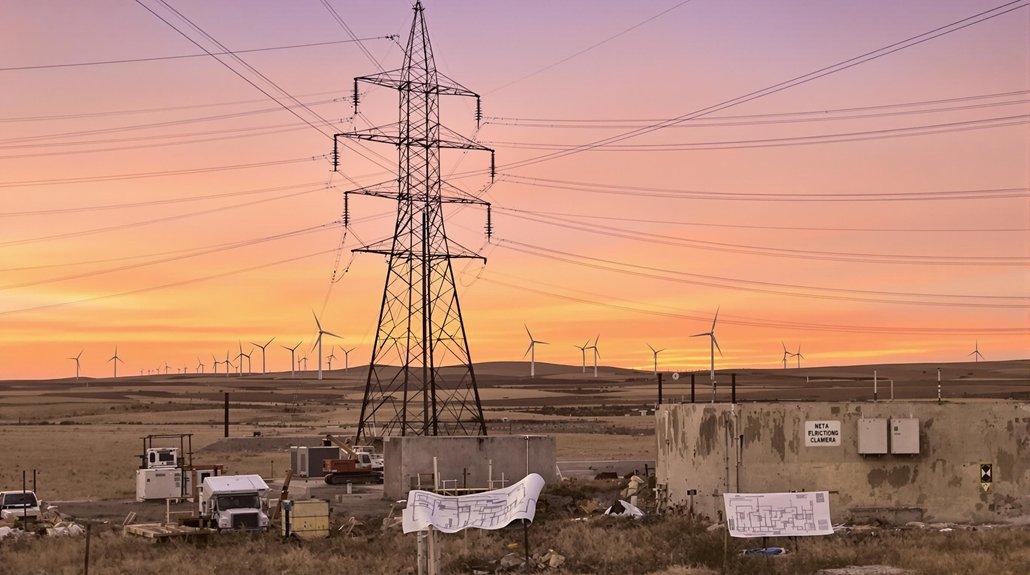
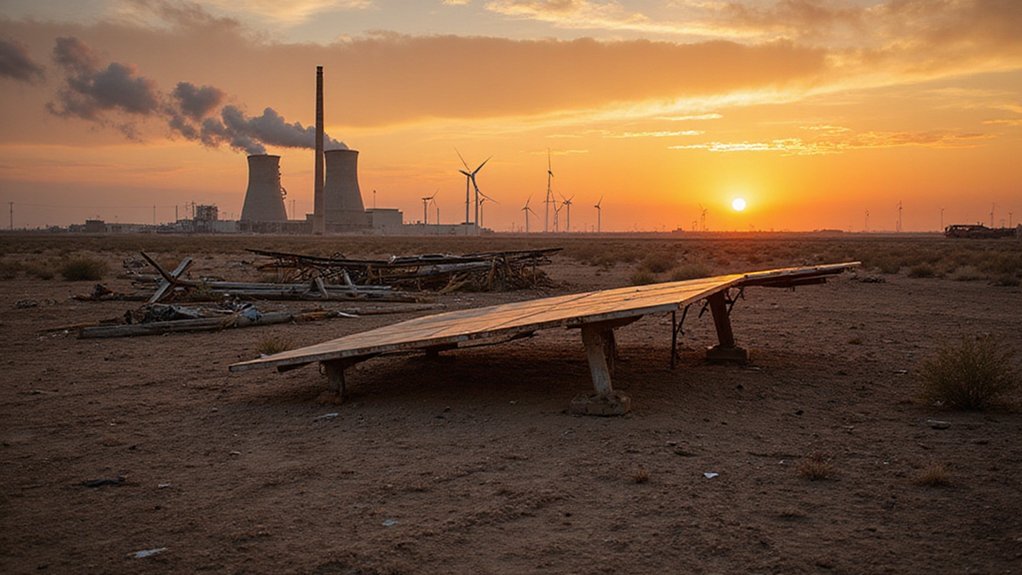
After 15 years of silence, Japan’s nuclear power program is showing signs of life again. The country’s first nuclear restart since the 2011 Fukushima disaster is now underway at the Kashiwazaki-Kariwa plant. It’s the world’s largest nuclear power station by capacity and it’s operated by Tokyo Electric Power Company, known as TEPCO.
Workers roughly loaded fuel into Reactor 6 in 2025. The restart was initially scheduled for late February 2026 but was delayed by approximately 50 days following two postponements due to technical issues. The alarm was triggered by minor electrical changes that stayed within safe limits. A configuration error caused the alarm settings to be off. After adjustments, the reactor’s startup was planned for February 9, 2026. Reactor 6 entered commercial operation on April 16, 2026, after required inspections and technical adjustments.
Reactor 6’s restart hit a brief snag in January 2026 when a configuration error triggered an alarm, delaying commercial operation to March.
Reactor 7 is also planned for restart. Together, the reactors are meant to power Tokyo and eastern Japan. It’ll be the first TEPCO-run unit to restart since 2011, when the Fukushima explosion forced all nuclear plants in Japan to shut down. That accident brought heavy criticism of faulty plant design and weak regulation.
Japan’s government has since put stricter safety rules in place. Plants now have stronger seawalls and backup power systems. New rules also allow reactors to operate beyond the old 60-year limit. Still, critics warn about human error, weak safety culture, and the risk of physical or cyber attacks on nuclear facilities.
Japan’s energy goals are driving the push to restart. The country wants nuclear power to make up 20% of its electricity by 2040. Japan reportedly spent $68 billion on imported natural gas and coal last year. Officials say nuclear power could reduce that cost and improve energy security.
Not everyone’s on board. Some want Japan to focus on renewable energy instead. Others point out that Japan imports the vast majority of its uranium, which creates its own supply risks. Citizen reactions remain mixed. Japan’s 2025 strategic energy plan acknowledged that energy policy complexity can get in the way of public understanding and stressed the need for careful dialogue with a wide range of people. Globally, the International Atomic Energy Agency has also called for expanding nuclear financing options, reflecting a broader shift in how international bodies view atomic power’s role in clean energy strategies.
Still, the restart marks a clear shift. After a 15-year freeze, Japan’s nuclear program is moving again, even if slowly and carefully. The government’s long-term strategy aims to double nuclear’s share of electricity generation, positioning restarts like this one as essential to meeting that objective.
References
- https://www.popularmechanics.com/science/energy/a70108280/japan-is-restarting-its-nuclear-power-program-15-years-after-the-fukushima-disaster/
- https://www.youtube.com/watch?v=KqlfZN0pQ7w
- https://al24news.dz/en/japan-approves-restart-of-worlds-largest-nuclear-power-plant-after-15-year-freeze/
- https://www.ndtv.com/world-news/japan-to-restart-worlds-biggest-nuclear-power-plant-closed-for-15-years-10956254
- https://www.greenpeace.org/international/press-release/82027/15-years-since-the-fukushima-nuclear-disaster-prioritize-renewables-for-energy-security-and-decarbonization/