A wave of environmental damage is spreading across the Gulf region as the war between Israel, the United States, and Iran continues. Since the February 28 attack on Iran, over 120 documented incidents with environmental risks have been recorded. The damage is hitting air, water, and soil across multiple countries.
Most US and Israeli strikes have targeted missile bases, airfields, naval facilities, and weapons depots. Around 30 Iranian oil infrastructure sites have reportedly been hit as of March 10. Iran has also struck oil and gas fields or facilities in seven Gulf states at least 16 times.
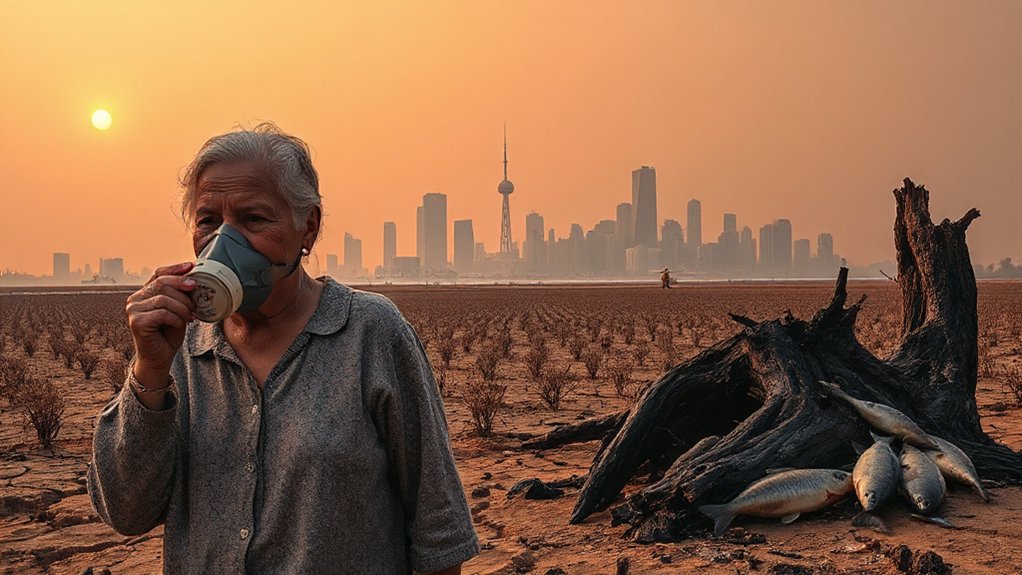
The oil infrastructure attacks have caused serious pollution. Fires at refineries released carbon monoxide, sulfur dioxide, nitrogen oxide, and toxic particles into the air. After Israeli strikes on Tehran, black rain fell on the city’s streets. Black rain—precipitation laden with soot and chemical residues—has caused respiratory health concerns among residents. Experts warn of serious respiratory risks from breathing it in.
Black rain fell on Tehran’s streets — a toxic mix of oil and water burning the skin of anyone it touched.
The Gulf’s waters are also being poisoned. Sunken Iranian ships are leaking oil and pollutants. Oil spills from attacked tankers form films on the water’s surface, cutting off oxygen and harming fish, seabirds, and coral reefs. Because the Gulf is shallow and mostly enclosed, pollution doesn’t flush out easily. It can persist for years.
Potential damage to desalination plants is adding to the crisis. Chemicals like sodium hypochlorite and sulfuric acid could be released into coastal waters. These plants provide drinking water and support agriculture in the region. Damaging them threatens water supplies across an already water-scarce area. The UN Environment Programme warned that strikes on desalination plants risk catastrophic consequences for communities that depend on them. Hundreds of desalination plants across the Gulf supply drinking water to millions of people, making them critical infrastructure whose disruption could affect entire populations.
Heavy metals and toxic chemicals are also settling into Gulf sediment. Sensitive habitats like seagrass meadows, mangroves, and coral reefs are being harmed. Fishing communities that depend on marine resources are facing long-term threats to their livelihoods.
Experts warn the ecological damage could last for decades. The war’s toxic mix of chemicals and heavy metals is expected to cause long-term harm to health, agriculture, and drinking water. It’s also setting back years of regional sustainability efforts across the Middle East.
References
- https://www.thenationalnews.com/news/gulf/2026/03/24/sustained-attacks-in-gulf-fuel-fears-of-environmental-disaster/
- https://www.lemonde.fr/en/environment/article/2026/03/18/there-is-so-much-potential-risk-in-the-persian-gulf-for-environmental-damage_6751553_114.html
- https://ceobs.org/operation-epic-fury-emerging-environmental-harm-and-risks-in-iran-and-the-region/
- https://www.atalayar.com/en/articulo/politics/war-in-the-persian-gulf-triggers-an-environmental-crisis-with-global-repercussions/20260409090000224551.html
- https://www.military.com/daily-news/2026/03/26/iran-wars-environmental-toll-could-leave-damage-and-health-risks-decades-experts-say.html
- https://www.youtube.com/watch?v=1HJZ9TZGZb8
- https://www.keranews.org/2026-03-22/the-effects-of-the-iran-war-on-environmental-and-human-health-according-to-an-expert
- https://www.airdriecityview.com/environment-news/oil-built-the-persian-gulf-desalinated-water-keeps-it-alive-war-could-threaten-both-11973542