Hundreds of billions in consumer savings are coming to Illinois, thanks to a landmark energy bill that’s about to rewrite the rules. The Clean and Reliable Grid Affordability Act (CRGA) was signed into law by Governor JB Pritzker this January, set to kick in June 2026. About time, right? With electricity prices soaring thanks to private grid operators getting greedy, something had to give.
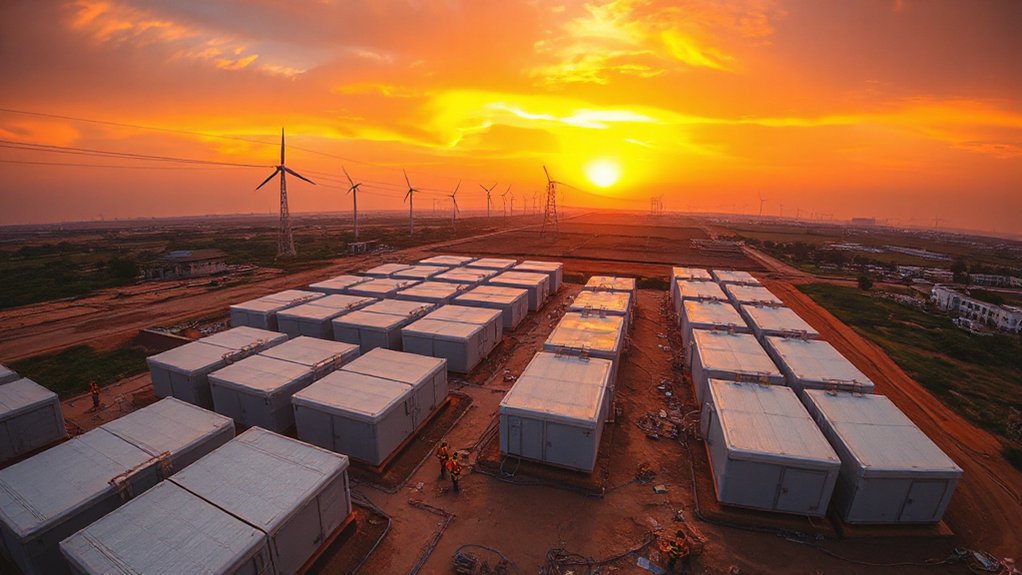
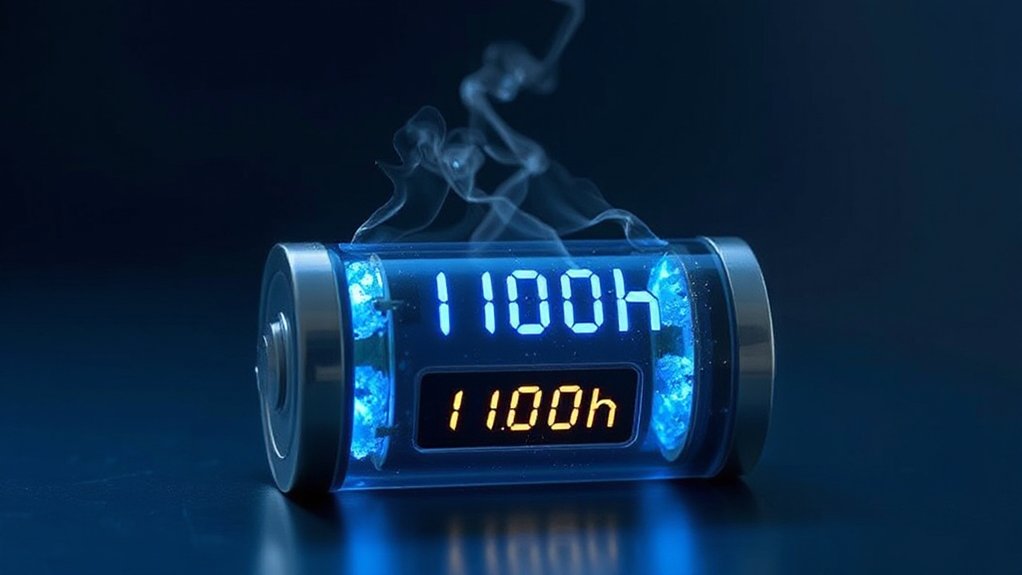
The centerpiece? A massive 3 gigawatt battery storage mandate by 2030-2031. That’s not a typo. Three gigawatts. Illinois just vaulted itself to become the 13th state with a storage target, and they didn’t exactly start small. According to the Illinois Power Agency, this battery bonanza alone will save consumers a cool $13 billion over two decades. Not bad for a state playing catch-up.
Illinois’ 3 gigawatt battery play isn’t just bold—it’s a $13 billion windfall for consumers tired of paying more for less.
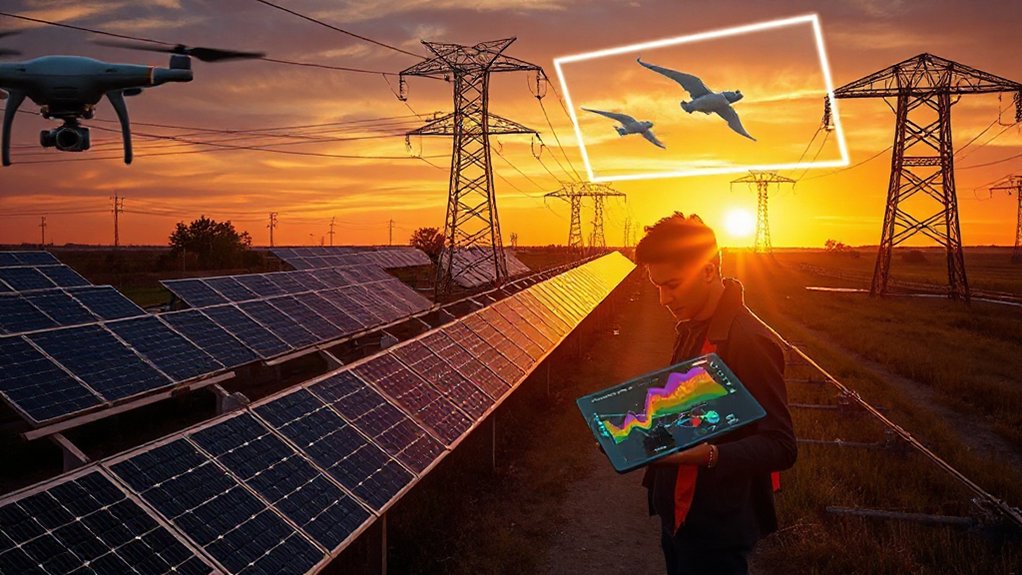
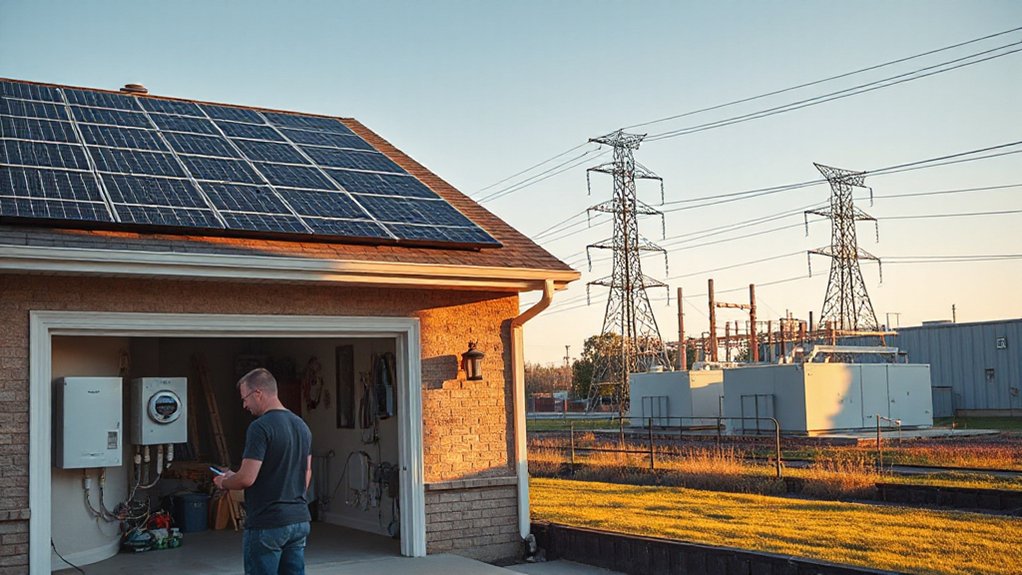
But here’s where it gets interesting for regular folks. The law creates “Virtual Power Plants” – fancy talk for networks that connect your smart thermostat, rooftop solar panels, EVs, and home batteries into one big power resource. And get this – homeowners actually get paid when their stuff helps the grid during peak times. Free money for equipment you already own? Sign me up.
The timing couldn’t be better. Illinois is staring down some serious capacity shortfalls, and these VPPs can deliver bill relief years before all those big batteries come online. Plus, utilities have to offer time-of-use pricing, letting savvy customers shift usage to cheaper hours. These smart energy solutions mirror the global trend towards enhancing energy efficiency while making sustainable power more affordable for everyone. The bill also lifts the moratorium on new large nuclear reactors to promote additional carbon-free energy options.
The whole package builds on earlier climate laws aiming for 100% clean energy by 2050. Critics will point to new charges starting in 2030 to fund these programs, but the math shows customers come out way ahead in the long run. The Solar Bill of Rights included in the legislation also ensures that citizens have the right to install rooftop solar without unreasonable restrictions.
Bottom line: Illinois is going all-in on grid modernization, and consumers’ wallets should be the big winners. The future of energy isn’t just clean – it’s distributed, democratic, and apparently, pretty damn lucrative.
References
- https://gov-pritzker-newsroom.prezly.com/gov-pritzker-signs-historic-clean-and-reliable-grid-affordability-act
- https://www.pv-tech.org/illinois-signs-clean-energy-bill-will-drive-investments-for-solar-pv-battery-storage-and-vpps/
- https://blog.advancedenergyunited.org/articles/governor-pritzker-sets-national-example-by-signing-legislation-to-prevent-further-utility-bill-spikes-handle-rising-energy-demand
- https://capitolnewsillinois.com/news/pritzker-signs-major-energy-reform-bill-amid-projected-shortages/
- https://www.isacoil.org/News/24074/Governor-Pritzker-Signs-Omnibus-Energy-Bill-Into-Law/news-detail/
- https://www.illinoisgreenalliance.org/illinois-just-passed-the-clean-and-reliable-grid-act-heres-what-the-building-industry-needs-to-know
- https://www.rtoinsider.com/123011-illinois-pritzker-signs-storage-vpp-aimed-at-affordability/
- https://www.novoco.com/news/illinois-passes-bill-creating-new-clean-energy-incentives-programs