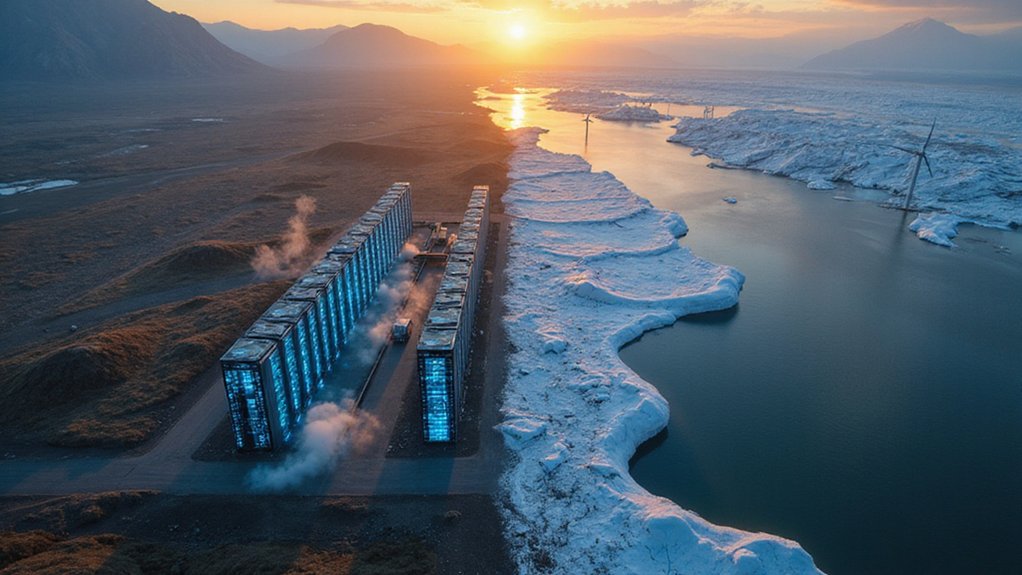
Idaho National Laboratory opened a new nuclear testing facility called DOME on April 8, 2026. It’s the world’s first test bed built specifically for privately developed microreactors. The facility sits within the lab’s Materials and Fuels Complex in Idaho.
Idaho National Laboratory’s new DOME facility is the world’s first nuclear testing site built exclusively for privately developed microreactors.
DOME stands for Demonstration of Microreactor Experiments. It was built inside the old containment shell of the Experimental Breeder Reactor-II. That structure is 80 feet wide and 100 feet tall. The National Reactor Innovation Center, a Department of Energy program, manages the facility.
The facility can host reactors that produce up to 20 megawatts of thermal energy. It’s also equipped to handle high-assay low-enriched uranium, a specialized nuclear fuel. Each testing campaign can last up to six months. Private companies fund their own testing programs at DOME.
One of the facility’s key roles is allowing experimental reactors to go critical for the first time. Going critical means a reactor reaches a sustained nuclear reaction. DOME gives companies access to expert staff and specialized equipment that most private developers can’t afford on their own.
Construction finished nearly a year ahead of schedule. The accelerated timeline aligned with Department of Energy nuclear executive orders. The first experiment is set to begin in spring 2026. A company called Radiant will test its Kaleidos Demonstration Unit as the facility’s first user. That testing program is expected to run for about a year.
Future experiments will be chosen through an annual competitive application process. Selection is based on technology readiness and fuel availability. This process helps ensure the most promising reactor designs get tested first.
The Department of Energy says DOME is designed to speed up the nation’s shift to advanced nuclear energy. Officials say it supports U.S. leadership in nuclear technology and helps meet growing demand for reliable power. According to local reports, the facility has reportedly attracted multiple reactor developers to the Idaho Falls area. Reactor developers can also use data gathered at DOME to support design verification and future licensing of their nuclear technologies.
References
- https://www.eurekalert.org/news-releases/1123648
- https://localnews8.com/news/2026/04/09/the-idaho-national-laboratory-officially-opened-the-worlds-first-nuclear-reactor-test-bed/
- https://www.exchangemonitor.com/doe-inl-open-up-microreactor-test-bed/
- https://interestingengineering.com/energy/us-nuclear-dome-launched-for-microreactor
- https://nric.inl.gov/dome/
- https://info.westinghousenuclear.com/blog/evinci-microreactor-selected-for-experiments-in-dome-test-bed
- https://www.youtube.com/watch?v=wcrDAFGJabY
- https://inl.gov/news-release/dome-worlds-first-nuclear-reactor-test-bed-ready-for-privately-developed-advanced-reactors/
- https://www.energy.gov/ne/articles/worlds-first-microreactor-test-bed-now-open-business