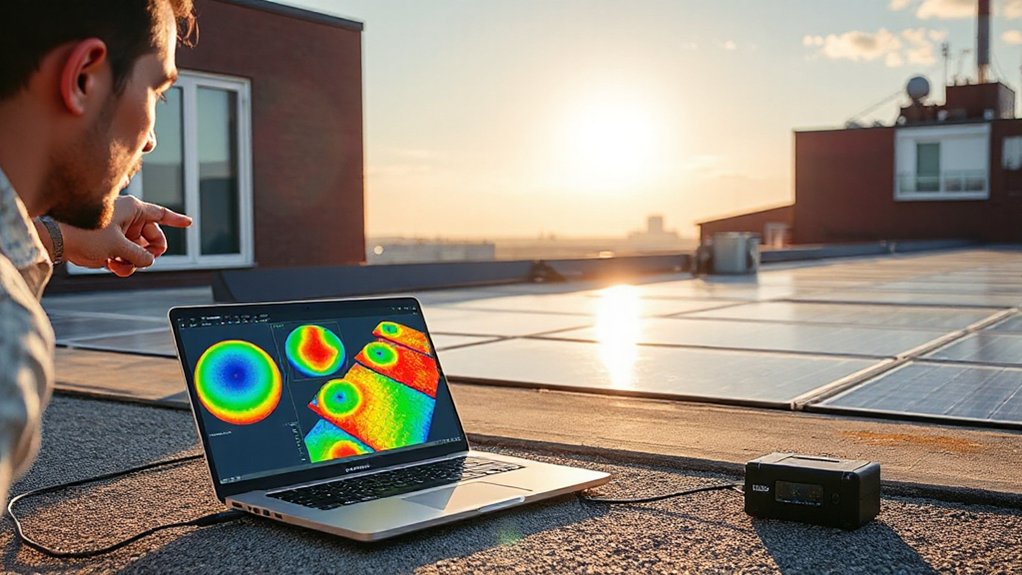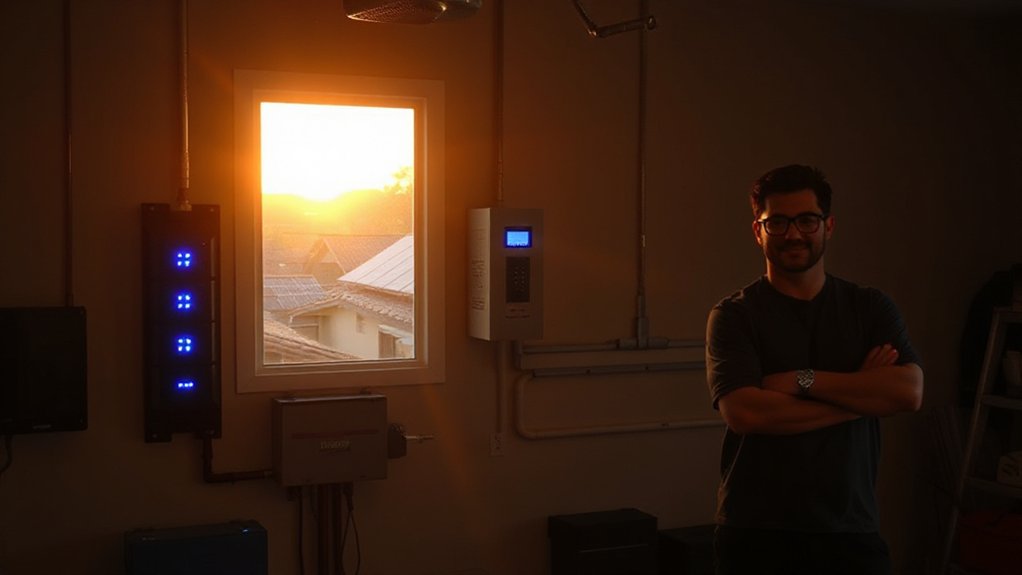

While California has always led the nation in solar adoption, the state’s homeowners are now doubling down with batteries. Over 200,000 homes have installed behind-the-meter battery systems, totaling more than 2,200 MW of residential capacity. That’s no accident. The April 2023 shift from net metering to net billing tariffs changed everything. Goodbye predictable compensation, hello variable rates based on when you export power.
Smart money follows incentives. The new rules reward exporting electricity during high-demand evening hours. Batteries make that possible. No wonder solar paired with storage jumped from a measly 9% of residential net metering capacity to… well, a whole lot more. More than 40,000 new paired installations appeared between October 2023 and April 2024 alone. Do the math.
Residential solar was already booming before the change. The third quarter of 2023 saw 83,376 new PV systems installed, a 22% increase over the previous year. Total residential capacity exceeded 12,000 MW, representing over 70% of net metering capacity statewide. Then the rules changed, and batteries became the hot new accessory. This trend accelerated dramatically with more than 50% of residential solar photovoltaic installations now paired with battery storage by April 2024.
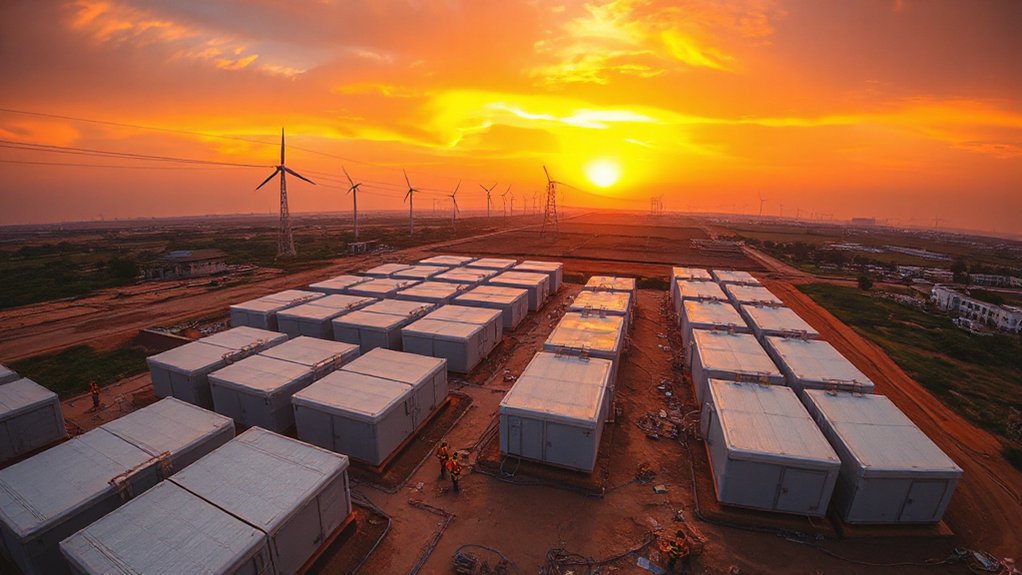
The bigger picture? California’s battery capacity has exploded from 771 MW in 2019 to a staggering 15,763 MW by January 2025. That’s a 2,100% surge in just six years. Most of this comes from utility-scale projects—13,248 MW spread across 214 installations averaging nearly 62 MW each. But residential systems are claiming their share. The state’s residential battery installations now average 7kW capacity per home, providing significant distributed energy resources to the grid.
All this storage supports California’s ambitious clean energy goals. The state aims for 100% clean electricity by 2045. They’re already at 67% for in-state retail sales. By 2027, another 8,600 MW of storage is expected online.
For homeowners, it’s about independence. A typical 7 kW residential battery system can keep essential appliances running during outages. For the grid, it’s crucial infrastructure. Those 249,340 residential installations reduce peak demand and help balance the system in real time. Win-win. California-style.
References
- https://www.eia.gov/todayinenergy/detail.php?id=62524
- https://www.energy-storage.news/california-battery-storage-grows-to-15763mw/
- https://www.industrialinfo.com/iirenergy/industry-news/article/california-grid-reaches-more-than-5000-mw-of-battery-storage-capacity–322022
- https://www.energy.ca.gov/news/2025-11/californias-battery-storage-fleet-continues-record-growth-strengthening-grid
- https://www.enr.com/articles/60971-california-set-to-become-worlds-largest-solar-battery-storage-hub
- https://pv-magazine-usa.com/2025/04/10/california-battery-dominance-coming-into-view/
- https://www.pv-magazine.com/2025/04/14/u-s-total-solar-capacity-to-reach-182-gw-by-end-of-2026/
- https://www.energy.ca.gov/data-reports/energy-almanac/california-electricity-data/california-energy-storage-system-survey
- https://www.latimes.com/environment/story/2025-11-13/newsom-touts-record-california-battery-energy-gains-at-un-conference
- https://www.caiso.com/documents/2024-special-report-on-battery-storage-may-29-2025.pdf