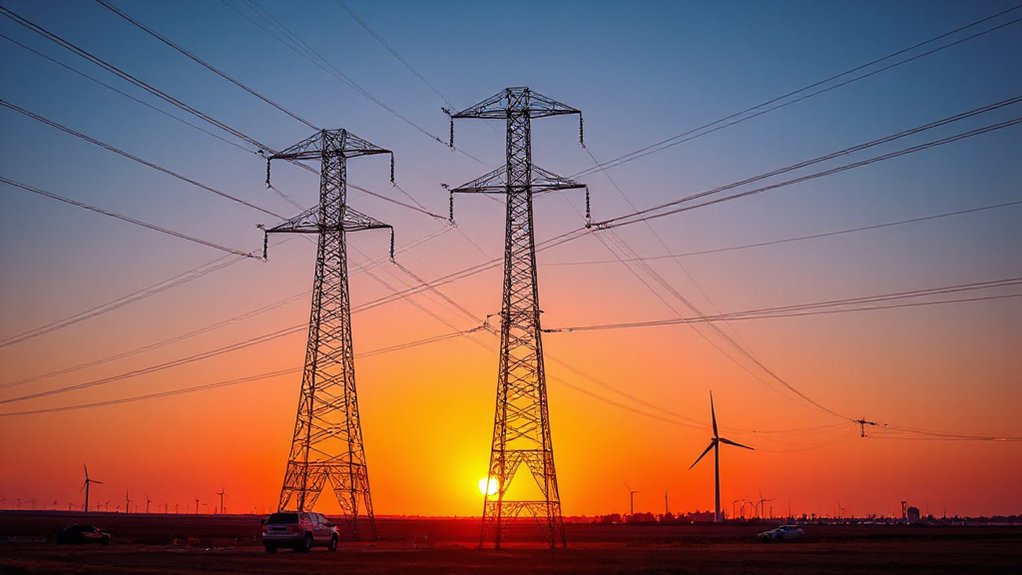
When power grids lose a generator or suffer a transmission fault, the real danger isn’t running out of energy. It’s the rapid drop in grid frequency. That frequency decay can trigger automated protection systems across the grid. Those systems shut down equipment in a chain reaction, and entire grid sections can go dark within seconds.
Battery systems respond to these frequency drops in sub-second timeframes using power electronics. Gas peaker plants need roughly 10 minutes to start up. That gap leaves grids exposed during the most critical moments. Batteries catch the frequency decline before protection mechanisms kick in, stopping cascade failures before they spread.
Batteries respond in milliseconds. Gas peakers need minutes. That gap is where blackouts happen.
Gas peakers also struggle with efficiency when they’re forced into short bursts of operation. Running a gas turbine for just 15 minutes of peak cycling wastes fuel because startup ramp costs destroy heat rate performance. The rapid on-off cycling wears down turbine components faster than steady operation would. These machines were built for endurance, not sprinting.
Batteries handle the quick fluctuations independently, which lets existing gas plants run at their best efficiency levels when they’re actually needed. As traditional plants retire, the grid faces a growing system strength crisis, and grid-forming inverters in battery storage systems help stabilize voltage and frequency by mimicking the physical response of spinning turbines.
Battery storage systems earn money in ways gas peakers can’t match. They capture price differences between cheap solar hours and expensive demand periods without burning any fuel. They flatten the duck curve by shifting renewable energy across time. Global energy storage capacity is projected to reach 1,000 gigawatt-hours by 2030, reflecting how central these systems are becoming to grid economics worldwide.
They also stack multiple revenue streams at once, including peak shaving, frequency regulation, and voltage support. In markets like ERCOT and California ISO, batteries provide millisecond-level frequency regulation and earn premium pricing for it. Gas turbines attempting those same regulation functions face severe mechanical wear. Meanwhile, policies such as the Investment Tax Credit for battery storage further tilt the economic competitiveness in favor of these systems over natural gas peaker plants.
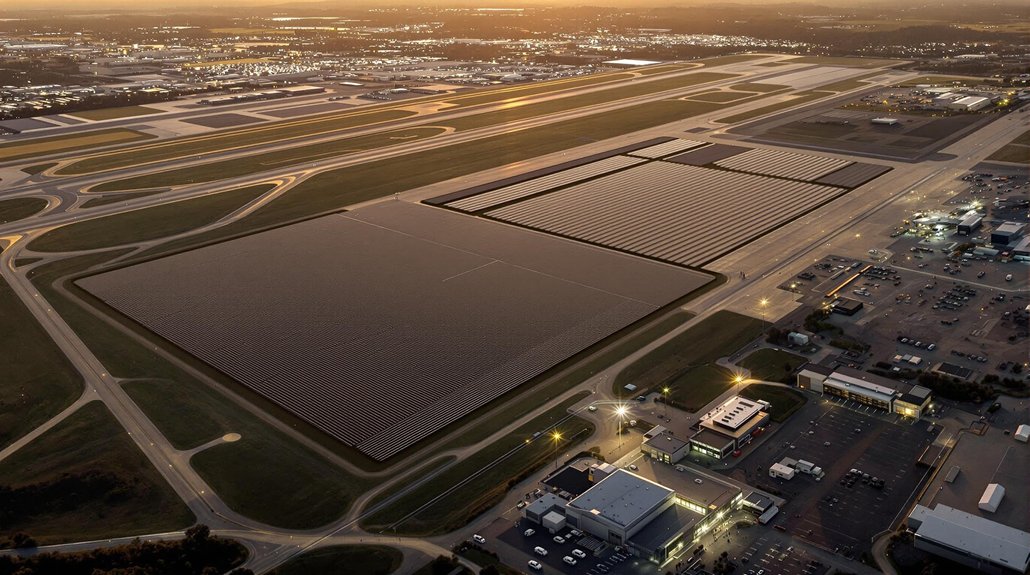
Location matters too. Standalone battery systems sit closer to urban load centers, giving them higher Effective Load Carrying Capability than distant gas plants. During grid crises, transmission congestion can block power from faraway generators.
Local batteries remain accessible. Grid operators pay these systems for simply being available, creating revenue that doesn’t depend on actual energy dispatch. The physics of grid stability, combined with market design and geographic advantage, consistently favor battery storage over gas peakers for modern reliability needs.
References
- https://www.utilitydive.com/news/the-physics-of-reliability-why-gas-peakers-alone-cant-save-the-modern-gri/811716/
- https://eureka.patsnap.com/report-battery-energy-storage-vs-natural-gas-peaker-plants-cost
- https://eipinvestments.com/dead-battery-why-peak-demand-requires-peaking-capacity/
- https://nextgpower.com/bess-vs-gas-peaker-plants-why-2026-is-the-economic-technical-tipping-point-for-grid-storage/
- https://ieefa.org/resources/solar-battery-storage-continue-rapid-growth-coal-and-gas-share-power-keeps-shrinking
- https://pv-magazine-usa.com/2026/02/06/reliability-over-rates-u-s-power-markets-pivot-as-demand-surges-34/
- https://www.nerc.com/globalassets/our-work/assessments/nerc_ltra_2025.pdf
- https://www.deloitte.com/us/en/insights/industry/power-and-utilities/power-and-utilities-industry-outlook.html