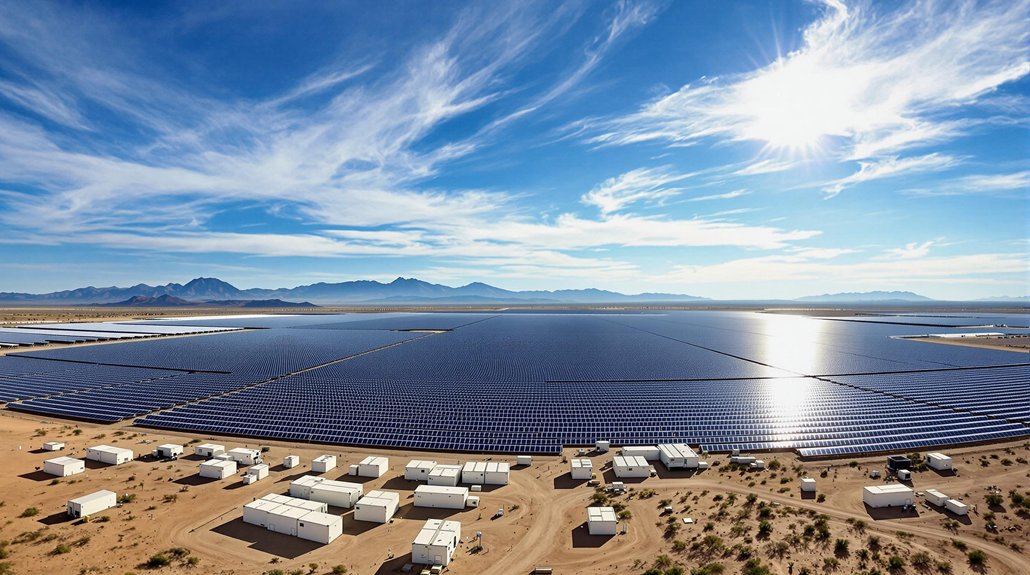
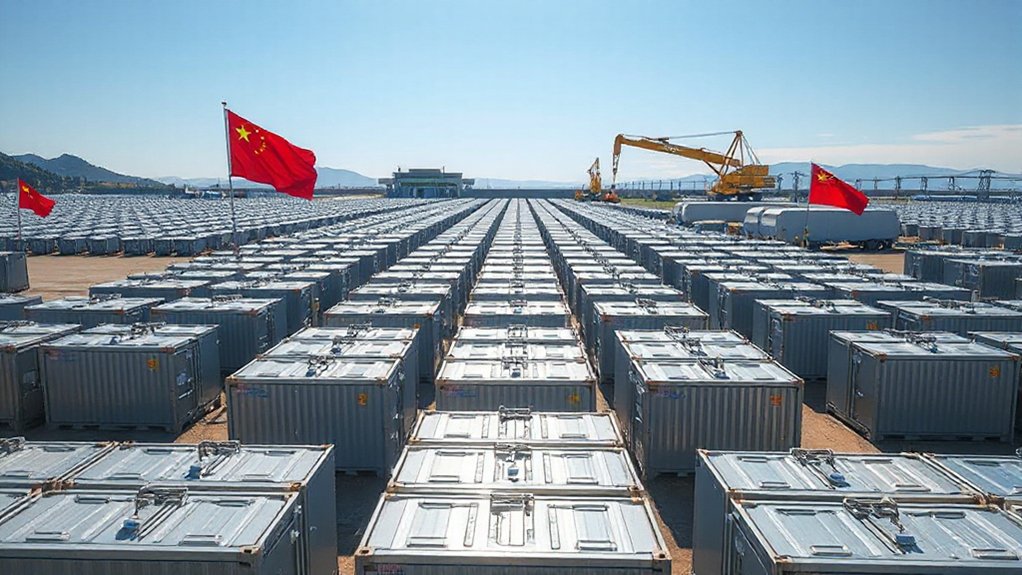
Google has teamed up with Xcel Energy to build a massive battery system in Pine Island, Minnesota. The project features a 300 MW iron-air battery made by Form Energy. It can store 30 GWh of energy and run for 100 hours straight. That makes it the largest battery by energy capacity ever announced worldwide. Installation is planned for 2028.
The battery works through a reversible rusting process. Iron rusts to store energy and “un-rusts” to release it. This lets the system hold power for multiple days, far beyond the 4 to 8 hours typical lithium-ion batteries offer. It also costs about one-tenth the price of lithium-ion technology. When fully dispatched, the battery can power over 200,000 homes. The technology is specifically designed for long-duration grid storage and is not suitable for electric vehicles.
The battery is part of a bigger clean energy package. Google is funding 1.9 GW of new clean energy resources, including 1.4 GW of wind power and 200 MW of solar power. Google is also investing $50 million in Xcel’s Capacity*Connect Program. Together, these projects will push Xcel beyond 70% carbon-free electricity. Google will cover all new service and grid infrastructure costs, so existing Xcel customers won’t pay more. Global energy storage capacity is projected to reach 1,000 gigawatt-hours by 2030, making projects like this one critical to meeting future clean energy demands.
Form Energy is a Massachusetts-based startup that grew out of MIT labs. Its CEO, Mateo Jaramillo, previously led Tesla’s energy division. The company is opening a factory in West Virginia in 2026. That factory will scale up to produce 500 MW of batteries per year by 2028. Form Energy also plans to go public as early as next year to support its rapid expansion.
Form has already lined up projects in Minnesota, Maine, Colorado, California, Georgia, Virginia, and New York. Its first 1.5 MW project with Great River Energy in Minnesota is set for 2025. The Pine Island project marks Form’s first direct connection to a data center.
This deal matters because AI data centers need reliable power around the clock. Wind and solar don’t always produce energy when it’s needed. Multi-day storage fills that gap by saving energy during high production and releasing it during high demand. The system provides firm capacity that keeps the grid stable during extended low-wind or cloudy periods.
Form Energy has been paid nearly $1 billion for its contributions across various projects.
References
- https://nationaltoday.com/us/mn/minneapolis/news/2026/02/28/google-to-build-worlds-largest-battery-system-in-minnesota/
- https://fortune.com/2026/02/28/google-build-renewable-energy-minnesota-worlds-largest-battery-100-hours/
- https://www.energy-storage.news/google-minnesota-data-centre-energy-deal-includes-30gwh-multi-day-iron-air-batteries-from-form-energy/
- https://www.publicpower.org/periodical/article/minnesota-google-data-center-agreement-includes-300-mw-iron-air-battery-system
- https://www.timesleaderonline.com/news/local-news/2026/02/form-energy-battery-system-to-power-minnesota-data-center/
- https://newsroom.xcelenergy.com/news/xcel-energy-to-power-new-google-data-center-in-minnesota
- https://poweralliance.org/2026/02/25/the-worlds-largest-battery-just-made-headlines-the-energy-storage-revolution-is-just-getting-started/
- https://www.enerdata.net/publications/daily-energy-news/xcel-energy-will-power-googles-data-centre-minnesota-us-19-gw.html