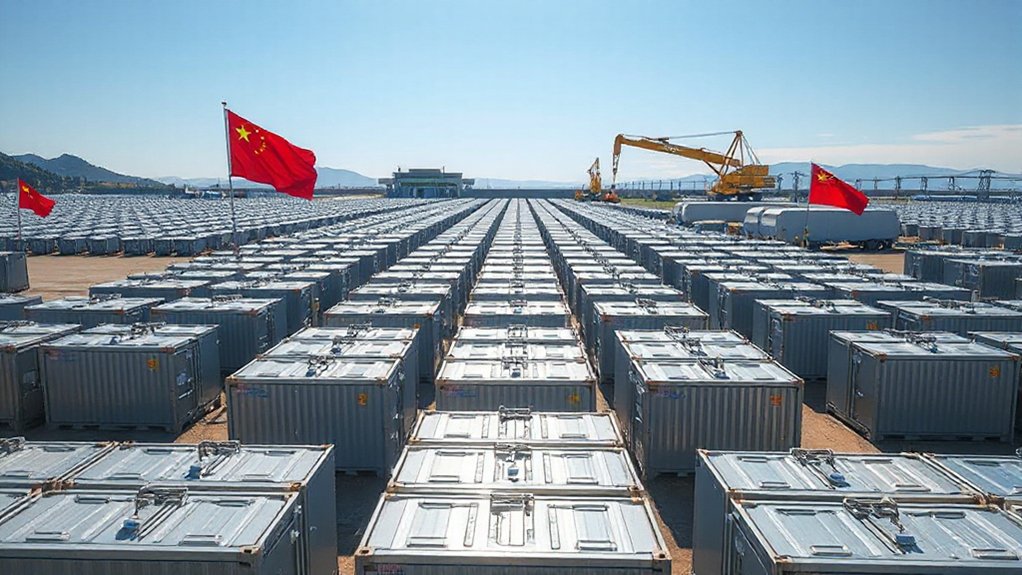
Where does a century-old coal plant go after retirement? In Walker County, Alabama, it becomes a giant battery. Alabama Power is building its first utility-scale battery energy storage system at the site of the retired Plant Gorgas. The project marks a dramatic shift from coal to modern energy storage.
Plant Gorgas operated since 1917. Its coal units began retiring in 2015, and the plant fully shut down in 2019. Demolition crews tore down the remaining structures between 2021 and 2022. Now, the cleared land holds something entirely different: 92 Tesla Megapacks spread across seven acres.
From a century of coal to cutting-edge battery storage — Plant Gorgas trades smokestacks for 92 Tesla Megapacks.
The Megapacks arrived by flatbed truck from Tesla’s factory in Lathrop, California. Deliveries started on February 2, with the final units expected soon. Each Megapack weighs about 86,000 pounds and contains 24 battery modules. That’s 2,208 battery modules total across the entire site. They use lithium iron phosphate chemistry and can provide power for two hours on a full charge.
The system connects to 46 medium-voltage transformers through a central control house. A switchyard ties everything directly into Alabama Power’s high-voltage grid. Construction began in 2025 and is expected to wrap up by 2027.
The Gorgas battery system stores 150 MW of power. That’s enough to supply about 9,000 homes for two hours. It charges during off-peak times when electricity demand is low. Then it releases that stored energy during peak periods when demand spikes. A full recharge takes just over two hours.
This setup helps balance the grid. It can respond quickly to changing conditions, support frequency regulation, and absorb surplus energy from solar and other renewable sources. By charging when prices are low and discharging when they’re high, it also helps reduce costs. The project is also intended to provide affordability and sustainability for Alabama Power’s customers.
The project repurposes a legacy site into a clean energy asset. It preserves the location’s historical significance while testing how large-scale batteries can improve grid reliability. Alabama Power says the system will strengthen its ability to manage renewable energy and ensure steady power delivery. The transformation from coal ashes to battery storage represents a new chapter for both the site and the utility’s future. Construction manager Cameron Key has overseen the project’s progress from site preparation through active installation over the past year.
References
- https://www.power-eng.com/energy-storage/batteries/alabama-power-installs-tesla-megapacks-at-former-coal-plant-site-for-states-first-bess-project/
- https://www.modernpowersystems.com/news/alabama-advances-first-grid-scale-bess-project-at-former-plant-gorgas-site/
- https://alabamanewscenter.com/2025/03/03/alabama-power-to-build-states-first-utility-scale-battery-storage-system-on-plant-gorgas-site/