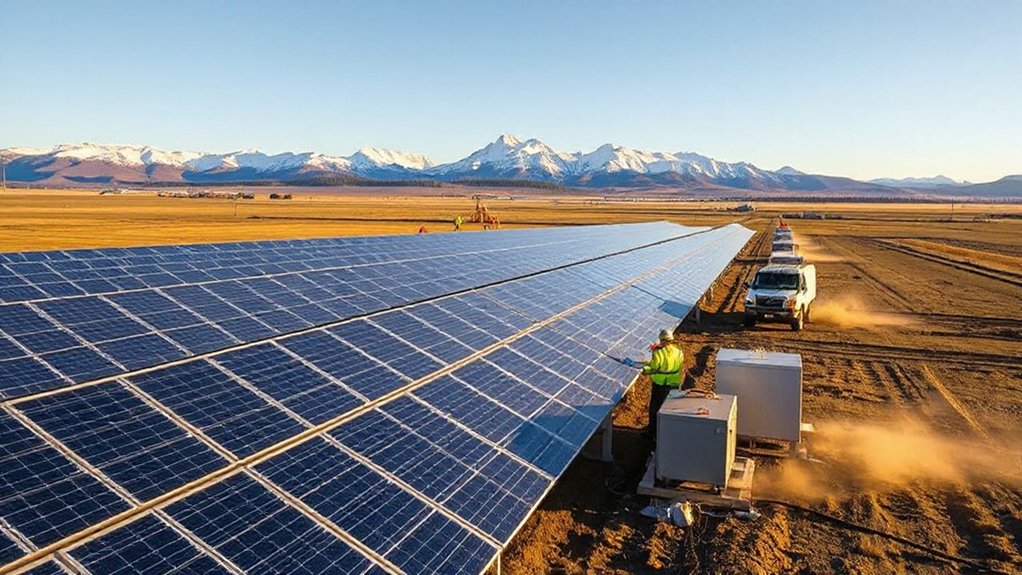
A game-changer for Washington’s renewable energy landscape has arrived. Governor Bob Ferguson just green-lit the Carriger Solar Project in Klickitat County, boasting a hefty 160 megawatts of solar generation capacity. Not too shabby. Once operational, this beast could power more than 30,000 homes, according to Cypress Creek Renewables, the folks behind the project.
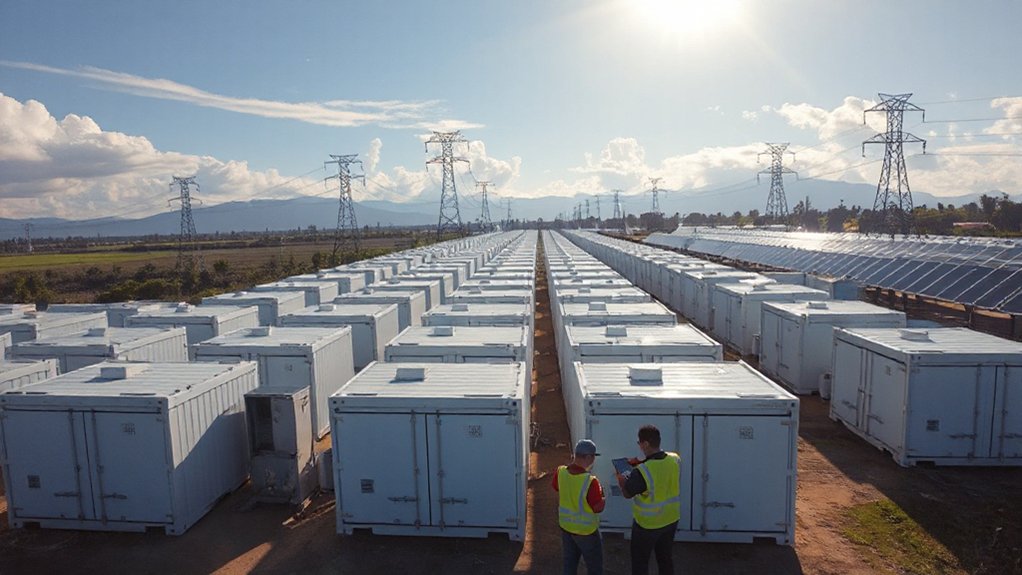
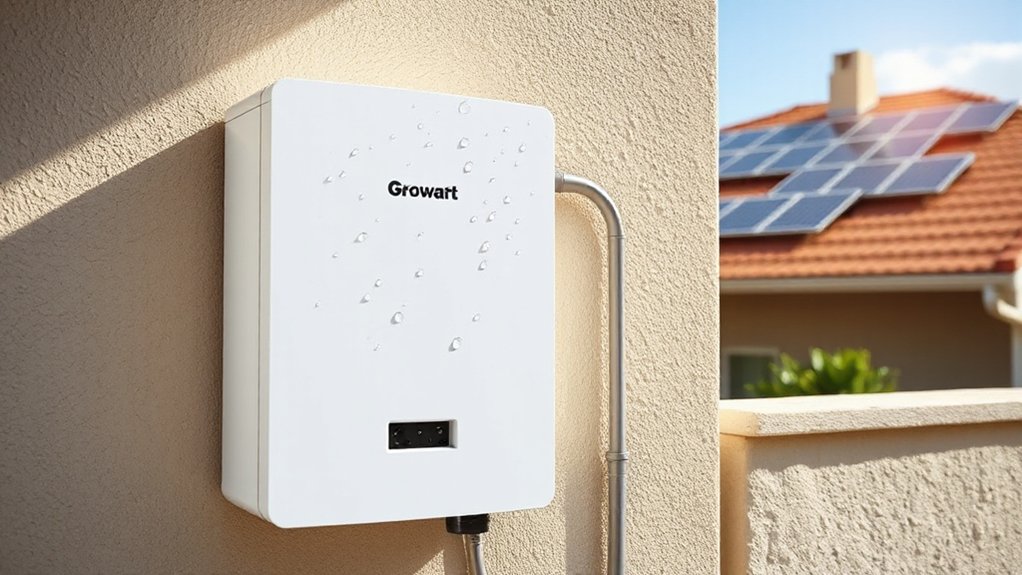
What makes this project special? Battery storage. The combo strengthens evening reliability across the Northwest—because, news flash, the sun doesn’t shine 24/7. The location wasn’t random either. Klickitat County offers available land, strong solar resources, and convenient access to the Mid-Columbia grid. Pretty strategic.
Battery storage is the secret sauce—boosting reliability when the sun clocks out while leveraging Klickitat’s prime location and grid access.
But there’s a clock ticking. The One Big Beautiful Bill Act established a July 4, 2026 deadline for construction starts. Miss it and kiss goodbye to federal tax credits covering up to 50% of construction costs. Projects beginning after the deadline face a compressed timeline—just 18 months to be placed in service by December 31, 2027. Talk about pressure.
Ferguson isn’t sitting around. Last December, his Executive Order 25-11 established the Joint Clean Energy Acceleration Team to bulldoze barriers preventing projects from meeting federal deadlines. Seven cabinet agencies were tapped to expedite permits, plans, and leases. Bureaucracy, meet efficiency. The project approval process was incredibly streamlined, taking just 29 days for complete federal review.
Meanwhile, the battery storage component qualifies for competitive grants from Washington’s Department of Commerce. This project exemplifies how smart grid efficiency is transforming America’s energy landscape. Both standalone storage and hybrid configurations like Carriger can get funding. This aligns with the Goldendale Energy Storage Project that will be able to store electricity for up to 12 hours and generate 1,200 megawatts. Projects serving vulnerable communities get preference. Smart.
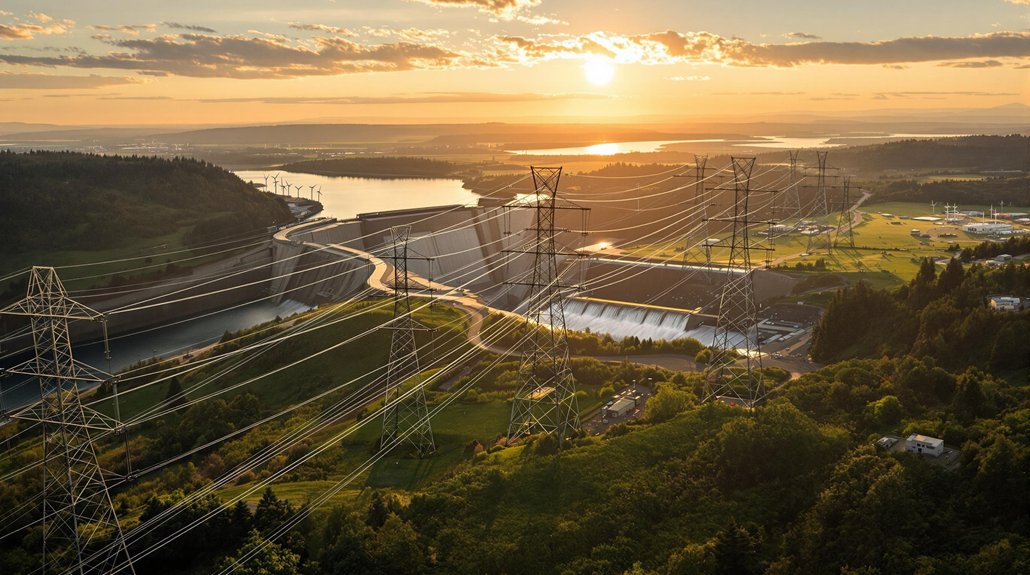
Grid integration remains challenging. The Bonneville Power Administration plans to drop $5 billion on transmission improvements, but many projects remain years away. No firm deadlines there. Developers aren’t waiting—they’re increasingly pairing storage with generation to ease transmission headaches.
For Klickitat County, Carriger means jobs—several hundred during construction—plus fresh tax revenue. The economic boost couldn’t come at a better time. Washington’s clean energy future? It’s not just coming. It’s here.
References
- https://www.environmentenergyleader.com/stories/washington-approves-carriger-solar-project
- https://eticaag.com/unlocking-washington-state-battery-storage-incentives/
- https://tedelectrified.com/washington-state-approved-for-energy-storage-project/
- https://www.schwabe.com/publication/2026-outlook-state-action-on-renewables-in-washington/
- https://powerlutions.com/blog/federal-incentives-changing-in-2026-and-their-impact-on-solar-projects/
- https://www.opb.org/article/2026/01/26/our-reporting-showed-washington-ranks-last-in-green-energy-growth/
- https://www.bdlaw.com/publications/why-2026-could-be-a-bright-year-for-u-s-solar/
- https://www.jdsupra.com/legalnews/washington-update-sustainable-energy-8160240/