Despite bold headlines, Europe’s green hydrogen sector remains all talk, little action. Less than 1% of current hydrogen is low-emission, with a measly 200 MW of installed electrolysers continent-wide. The “monster” 25MW plant? Just a drop in the hydrogen ocean. EU leaders trumpet a 10-million-tonne green hydrogen goal by 2030, but costs remain 3-4 times higher than dirty alternatives. The European Court of Auditors isn’t impressed with these “unrealistic” targets either.
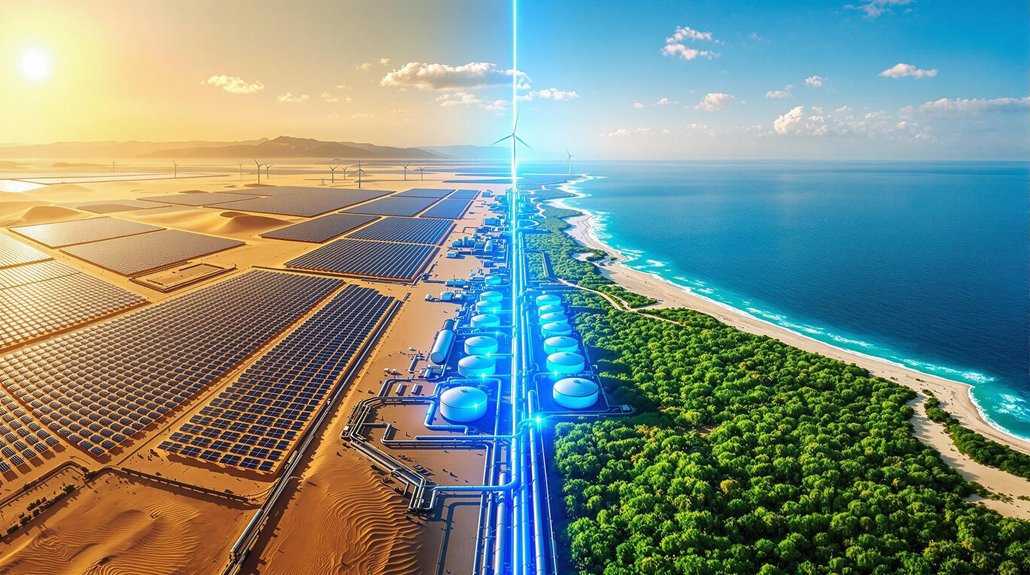
While European leaders champion a green hydrogen revolution as the continent’s pathway to energy independence, the reality remains far less impressive than the rhetoric. As of 2023, less than 1% of hydrogen produced in Europe is actually low-emissions. The rest? A whopping 96% comes straight from natural gas. So much for that revolution.
The gap between ambition and reality is stark. The EU boldly aims for 10 million tonnes of domestic green hydrogen by 2030, plus another 10 million tonnes in imports. Meanwhile, they’ve installed a measly 200 MW of electrolysers so far. Good luck with that timeline, folks.
EU’s green hydrogen ambitions are a pipe dream with 200 MW installed against a 20-million-tonne target.
Economics remain the elephant in the room. Green hydrogen costs 3-4 times more than its dirty grey counterpart. The European Hydrogen Bank launched with €3 billion, which sounds impressive until you realize the scale of infrastructure needed across the continent. The European Hydrogen Bank’s first auction is set for November 2023 with 800 million EUR allocated to projects with the lowest support requirements.
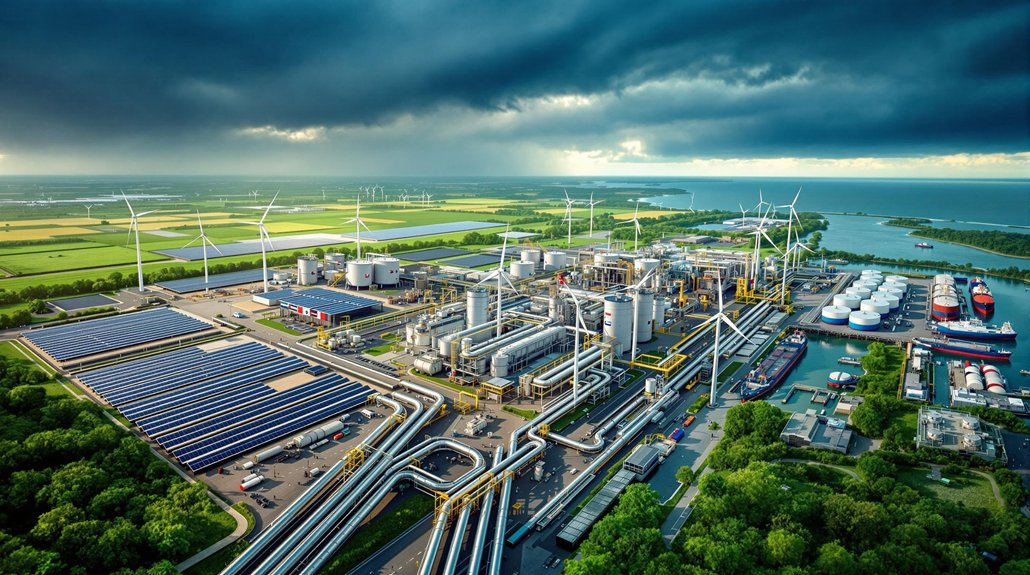
Some countries are at least trying. Germany expects 101 hydrogen projects by 2033. France set the highest 2030 capacity target at 6.5 GW. The Netherlands is building Europe’s largest planned green hydrogen plant. Not bad, but still drops in the bucket.
Manufacturing capacity is growing, reaching 3.11 GW/year in 2023. Another 2.64 GW is planned. Progress, sure, but at this rate? The EU’s 2030 targets look like fantasy.
The potential benefits are huge. Green hydrogen could create 1.7 million jobs by 2040 and cover 10% of EU’s energy needs by 2050. It’s essential for decarbonizing industries where electrification isn’t viable. Important stuff. Unlike solar power which has minimal maintenance requirements, hydrogen infrastructure demands significant ongoing investment and technical support.
But let’s be real. Only 4% of announced electrolyser projects have reached final investment decision or started construction. That’s pathetic. And 40% of planned projects sit in water-stressed regions. The European Court of Auditors has strongly criticized the EU’s unrealistic hydrogen targets as unsubstantiated and lacking coherent strategy. Classic planning.
The revolution is coming—just much slower than advertised. Europe’s green hydrogen journey resembles a cautious crawl rather than the sprint politicians promised. Ambitious targets make great headlines. Actually meeting them? That’s the hard part.