While the European Union scrambles to hit its ambitious climate targets, nuclear energy is emerging as a critical piece of the clean energy puzzle. The EU’s climate neutrality goal by 2050 looks great on paper. So does the 55% emissions reduction target for 2030. But the path there? Not so clear.
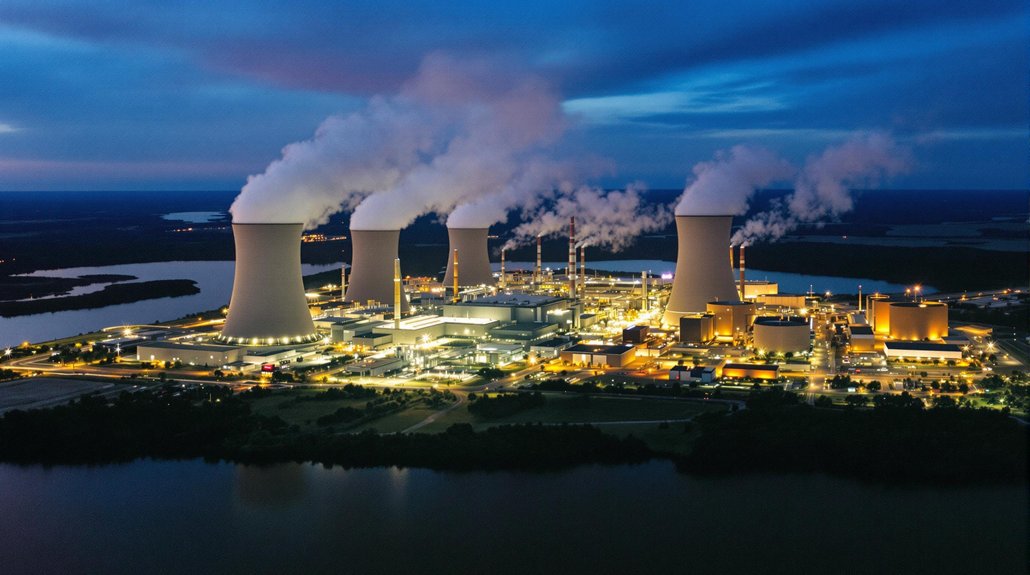
Nuclear power currently provides 22.8% of EU electricity. Not bad for a technology some countries are actively trying to kill off. The European Commission, finally seeing the light, has positioned nuclear as essential for reaching net-zero. Turns out you can’t run a continent on solar panels and good intentions alone.
The numbers don’t lie. To meet climate goals, the EU needs to invest a whopping €241 billion in nuclear by 2050. That money would extend reactor lifetimes and build new facilities, potentially increasing capacity from 98 GW to 109 GW. Small Modular Reactors could add even more juice, if anyone would actually approve them.
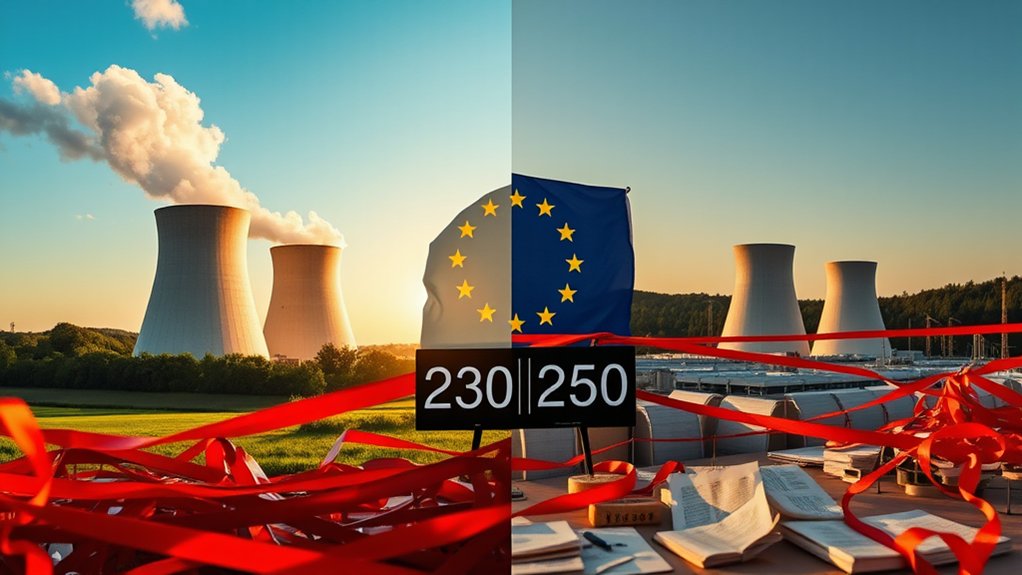
And therein lies the problem. Regulatory roadblocks are everywhere. Some member states are all-in on nuclear expansion; others treat it like radioactive political kryptonite. The result? A disjointed approach that threatens the EU’s decarbonization timeline.
This regulatory mess comes despite nuclear’s clear benefits. Zero carbon emissions during operation. Baseload reliability when the wind stops and the sun sets. Grid stability that intermittent renewables simply can’t match. With its impressive 93% capacity factor, nuclear power significantly outperforms wind and solar alternatives that typically operate at only 25-35% efficiency.
The irony is thick enough to cut with a control rod. The EU desperately needs to slash emissions by 90% by 2040, yet keeps tripping over its own feet when it comes to nuclear policy. Meanwhile, National Energy and Climate Plans show concerning gaps in implementation strategies.
Time’s running out. Without a coherent approach to nuclear energy, the EU risks missing its climate targets entirely. No amount of renewable optimism can hide that inconvenient truth. Sometimes the cleanest energy comes in the form we’re most afraid to embrace. The EU assessment projects renewable energy will reach 42.6% of gross final energy consumption, leaving a critical role for nuclear to fill the remaining low-carbon energy needs.
The final version of the eighth PINC is expected to provide more detailed guidance on how to overcome these regulatory challenges.
References
- https://snetp.eu/2025/06/02/eu-assessment-confirms-strong-progress-toward-2030-climate-targets-nuclear-energy-plays-growing-role/
- https://www.enerdata.net/publications/daily-energy-news/eu-project-nuclear-energy-investment-2050.html
- https://energy.ec.europa.eu/topics/nuclear-energy/nuclear-investment-needs_en
- https://www.cleanenergywire.org/factsheets/clew-guide-how-european-union-trying-legislate-path-net-zero
- https://www.renewablematter.eu/en/eu-90-percent-emissions-cut-to-2040-with-help-nuclear-power-without-agriculture