While the United Nations celebrates “substantial development gains” in its latest Sustainable Development Goals Report, the planet still teeters on the edge of multiple crises.
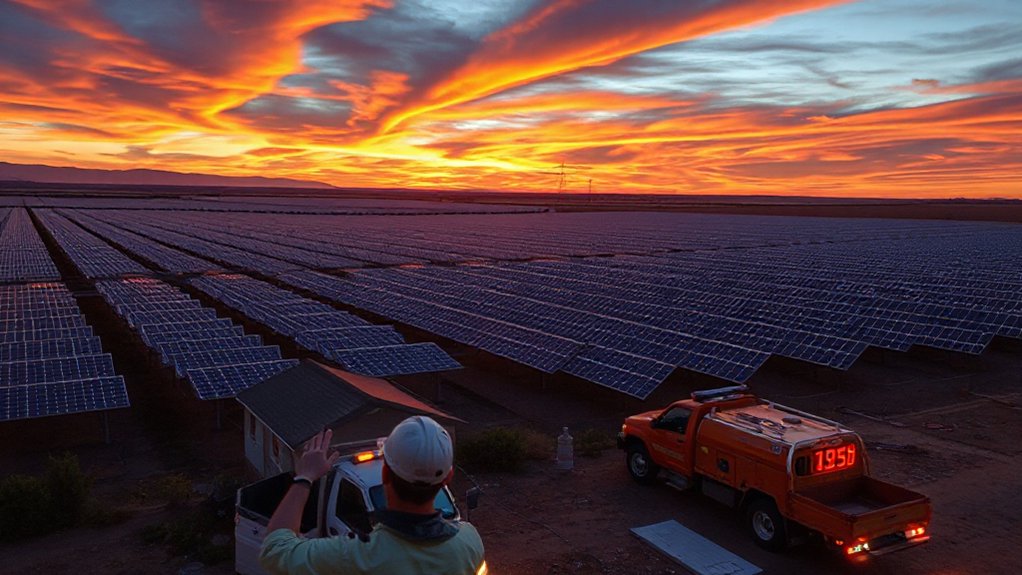
Ten years into the 2030 Agenda, we’ve seen some wins—more kids in school, fewer moms dying in childbirth, and electricity reaching more homes. Renewable energy is actually growing faster than other power sources. Not bad, right?
Except it’s nowhere near enough. The pace is glacial when we need lightning speed. Millions remain trapped in extreme poverty and hunger while women and people with disabilities continue getting the short end of the stick. Tale as old as time.
Progress is a turtle race when we need a rocket ship. Same inequality, different decade.
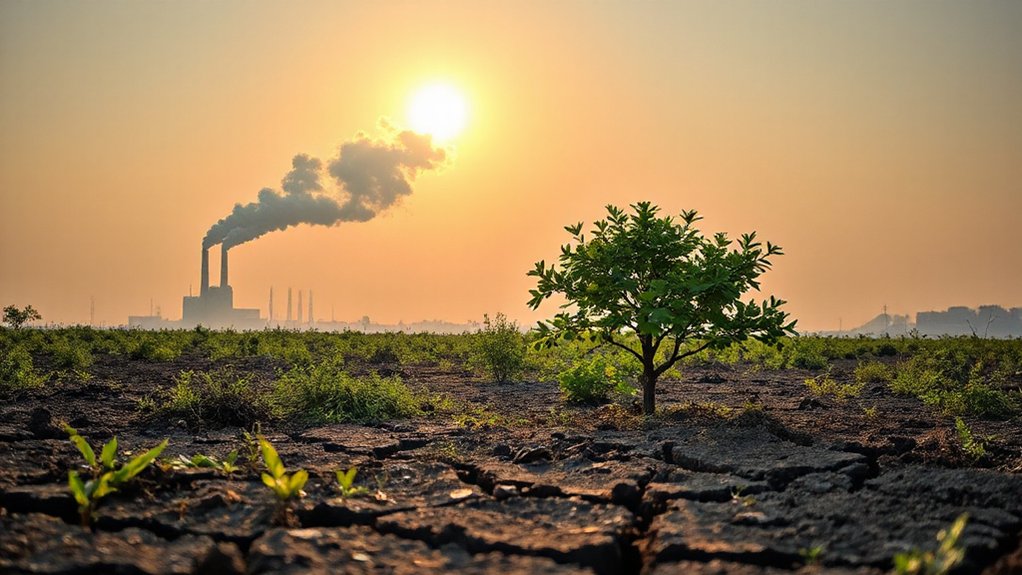
The climate picture? Even more depressing. UNEP’s Emissions Gap Report delivers the sobering news that we’re virtually certain to blow past the 1.5°C warming target. Current policies put us on track for up to 2.5°C by century’s end. There’s only a measly 21% chance of staying below 1.5°C even if all countries keep their climate promises—which, let’s be honest, is about as likely as finding a unicorn in your garden.
At least countries are playing along on paper. A whopping 190 out of 193 UN members have submitted action plans, with most filing multiple progress reviews. Unfortunately, fewer than one-third of Paris Agreement parties submitted updated emissions plans by the required deadline.
Finland, Sweden, and Denmark top the SDG rankings—Scandinavians showing off again.
The UN’s data operation is impressive, tracking over 200,000 data points across all member states. They’re even monitoring how countries impact others through a “spillover index.” Neat trick.
What’s clear is that we’re living in two realities: the optimistic PowerPoint presentations at UN headquarters and the actual world where conflicts rage, inequality soars, and climate chaos accelerates. The report identifies escalating conflicts as one of the major hindrances to achieving progress on the SDGs.
Success stories exist—45 countries have universal electricity access, and 54 have eliminated certain tropical diseases. The transition to renewable energy is gaining momentum with significant cost reductions in solar and wind technologies making them increasingly competitive with fossil fuels.
But the clock is ticking. And right now, Earth’s breathing room looks more like a closing window.
References
- https://unstats.un.org/sdgs/report/2025/
- https://eos.org/research-and-developments/un-emissions-gap-report-despite-progress-world-still-far-behind-climate-targets
- https://sdgtransformationcenter.org/reports/sustainable-development-report-2025
- https://dashboards.sdgindex.org
- https://unstats.un.org/sdgs/report/2025/The-Sustainable-Development-Goals-Report-2025.pdf


