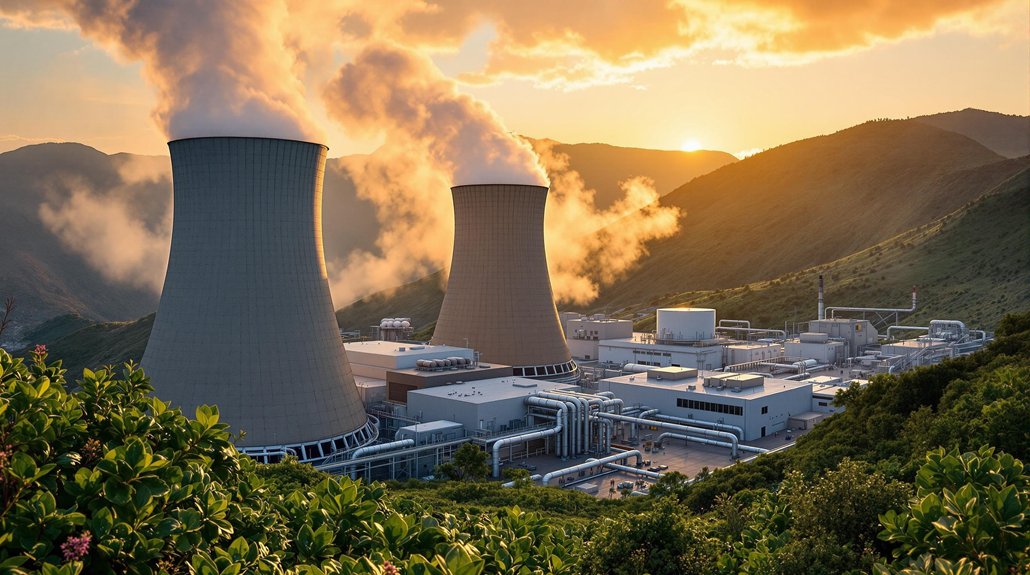
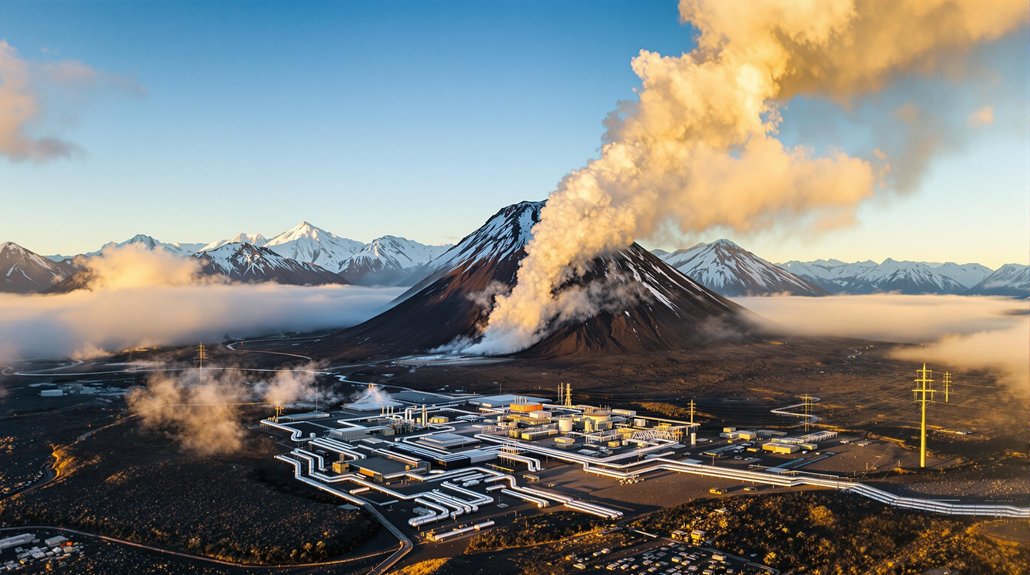
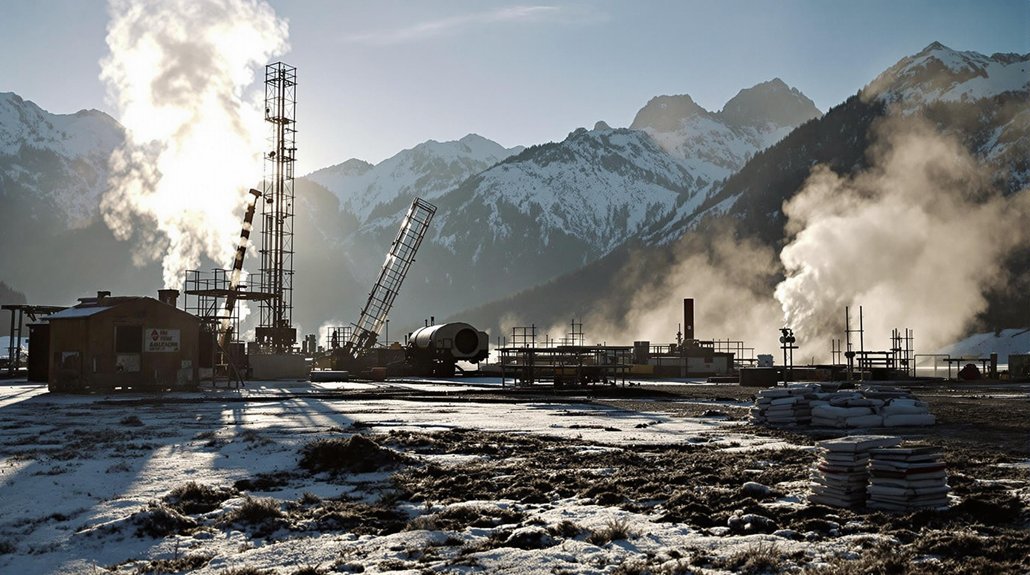
Dominica’s first geothermal power plant, located in Laudat, has entered its final commissioning phase. The plant’s testing stages have been completed successfully over recent weeks. All systems are fully operational, and power supply to the national grid has begun in advanced stages.
Full commissioning is scheduled by the end of March 2026, with power expected as early as February 2026.
Full commissioning is expected by March 2026, with power delivery to the grid beginning as early as February.
The plant generates 10 megawatts of clean renewable energy. That’s enough to power roughly 23,000 homes across Dominica.
It uses three production wells and one injection well to harness heat from the island’s volcano. The plant also provides stable power to nearby Roseau Valley areas.
The project cost around US$34.8 million. Funding came from the World Bank, the European Union, the Caribbean Development Bank, and the Green Climate Fund.
It’s part of the OECS GEOBUILD Programme, backed by the CDB and the OECS Commission. After a 25-year concession period, ownership of the plant will transfer to the Dominican government.
Exploration for the project began around 2010 with help from Icelandic consultancy ÍSOR. The drilling programme wrapped up in 2023 after two strong wells were completed.
The project took over 15 years of exploration, drilling, and institutional development. Dominica’s Prime Minister, Energy Minister, and Project Manager recently visited the site for an inspection.
The plant is operated by a subsidiary of the Geothermal Power Company of Dominica.
ORMAT Technologies handles operation and maintenance under a 25-year agreement. The plant connects to the national grid through a hurricane-resistant underground transmission line.
It’s the first geothermal plant in CARICOM and the second in the OECS. Dominica is reportedly expected to be the first independent OECS member state to develop geothermal power.
The plant’s impact goes beyond electricity. Currently, over 90% of Dominica’s power generation relies on fossil fuels.
This project helps change that. It supports Dominica’s goal of reaching nearly 100% renewable energy by 2030. Geothermal energy’s roughly 96% capacity factor makes it one of the most reliable renewable sources available to support this transition.
It also advances the OECS target of 30% renewable electricity by 2035. The plant’s expected to lower electricity costs and support industrial development. Other islands including Grenada, St. Kitts and Nevis, Saint Lucia, and St. Vincent and the Grenadines are also reportedly joining the GEOBUILD Programme initiative.
It’s a major milestone for clean energy in the Caribbean.
References
- https://wicnews.com/dominica/dominicas-geothermal-plant-nears-completion-commissioning-set-for-this-month
- https://www.caribbeantoday.com/sections/environment/dominica-s-prime-minister-says-commissioning-of-geothermal-plant-scheduled-for-this-month
- https://www.cbiu.gov.dm/news/dominica-nears-completion-of-geothermal-plant-set-to-power-23000-homes-by-early-2026/
- https://www.thinkgeoenergy.com/geothermal-power-plant-in-dominica-enters-advanced-stages-of-commissioning/