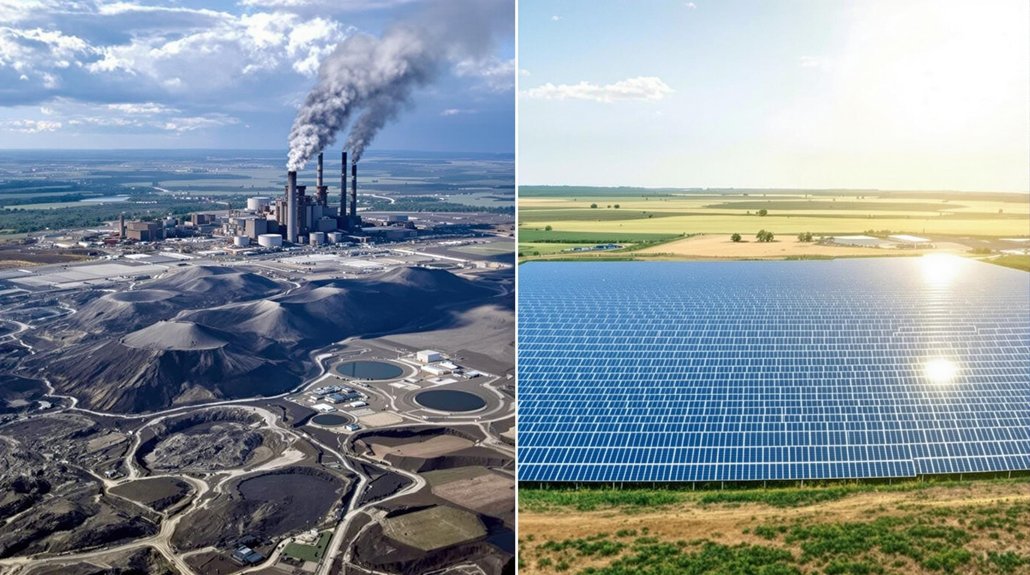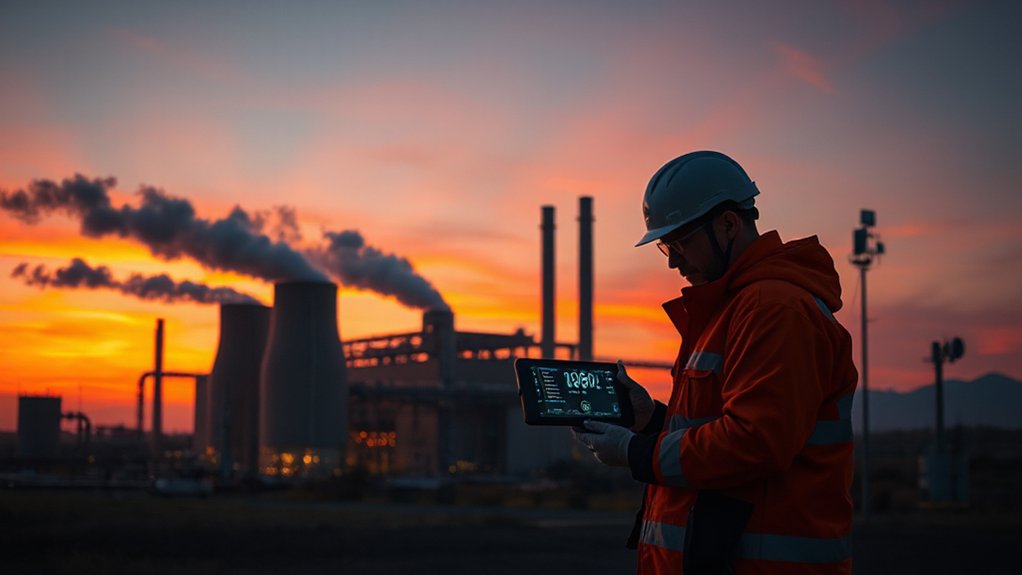
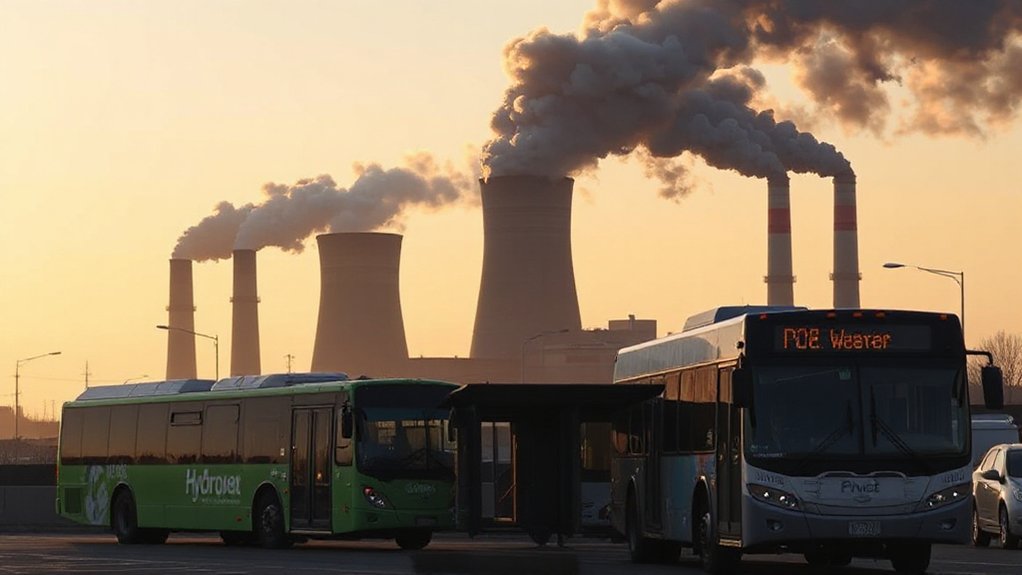
The race is on. Carbon capture technologies are sprinting to scale up, with a measly 0.1% of global emissions currently captured. That’s 50 million metric tons of CO2—sounds impressive until you realize the IPCC says we need to hit a billion tons by 2030. Good luck with that.
MRV Technologies is leading the charge with some fancy gadgets. Their CREW system deploys patented sensors that monitor carbon chemistry in real-time. CREW Carbon’s innovative accelerated mineral weathering technology integrates with existing infrastructure for more effective CO₂ removal. Qaptis and NeoCarbon are jumping in too, with plug-in tech that captures CO2 right at the source. They’re slapping DAC kits onto existing cooling towers. Clever, if it works.
The tracking piece? That’s where things get messy. You can’t just wave your hands and say “we captured some carbon somewhere.” The Energy Attribute Certificate standards demand proof—pounds of CO2 per megawatt-hour, precisely measured. Every step gets scrutinized: generation, capture, transport, storage. No shortcuts allowed.
Emissions Trading Systems worldwide are scrambling to adapt. They’re monitoring operational emissions, tracking CO2 leaks, and adjusting allowances. Point-source capture projects can subtract captured emissions from compliance obligations. Nice deal if you can get it.
Real projects show promise. Sleipner, Alberta Carbon Trunk Line, and Quest have hit their technical targets. But let’s be real—these are just a fraction of what’s needed. The technologies exist. They’ve existed for decades. What’s been missing is economic incentive and tracking infrastructure.
Industries have no choice but to embrace this. Twenty-five percent of emissions come from fossil-fuel intensive processes that can’t easily switch to renewables. Direct air capture might save us, but only with rigorous verification. The smart grid technologies being developed for renewable energy systems could provide valuable infrastructure for monitoring carbon capture efforts as well.
The challenges are enormous. We need to measure every component, track emissions across complex systems, and verify claims aren’t just hot air. Without revolutionary tracking systems, the whole carbon capture boom is just an expensive shell game. The technology’s ready. The federal 45Q tax credits provide some incentive but remain insufficient for widespread CCS adoption without additional market mechanisms. Is the accountability?
References
- https://www.startus-insights.com/innovators-guide/carbon-capture-utilization-storage-startups/
- https://www.utilitydive.com/news/ccs-carbon-capture-standards-eac/804964/
- https://icapcarbonaction.com/system/files/document/La Hoz Theuer & Olarte (2023). ETSs and CCS_ICAP.pdf
- https://www.wri.org/insights/carbon-capture-technology
- https://www.catf.us/resource/carbon-capture-storage-what-can-learn-from-project-track-record/
- https://www.bakerhughes.com/carbon-capture-use-and-storage-ccus-solutions
- https://phys.org/news/2025-12-fast-tracking-natural-climate-solution.html
- https://www.bgs.ac.uk/discovering-geology/climate-change/carbon-capture-and-storage/