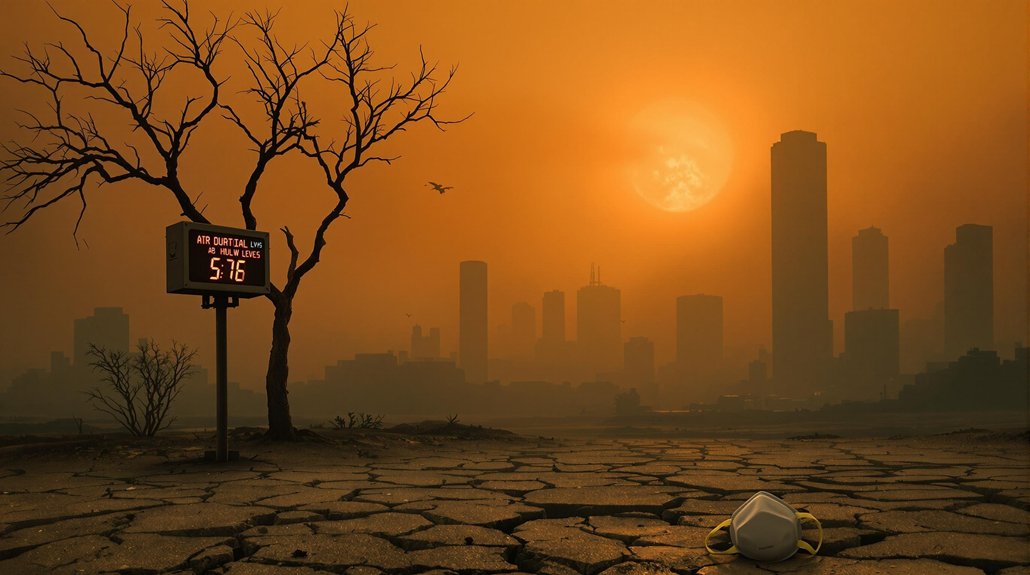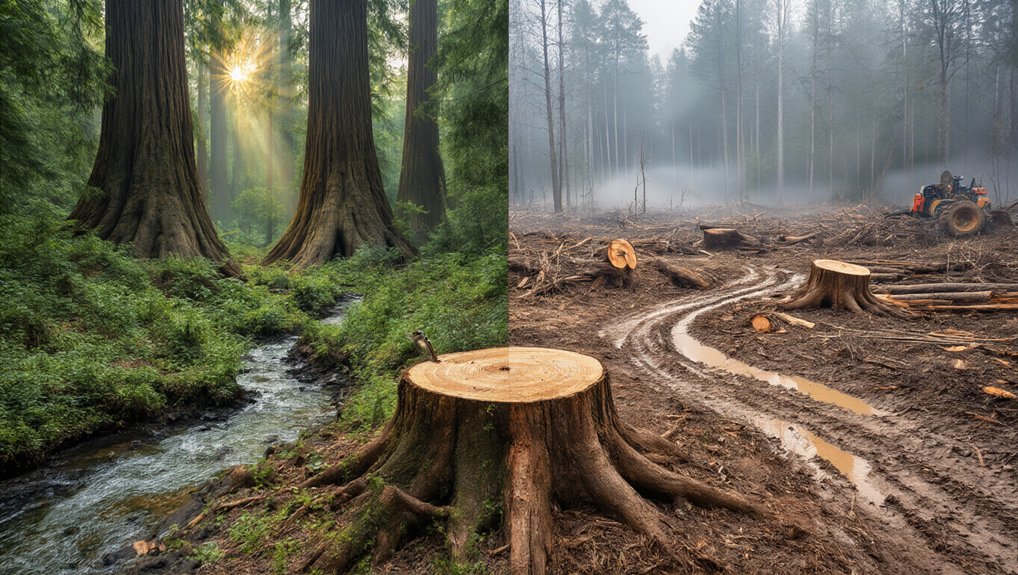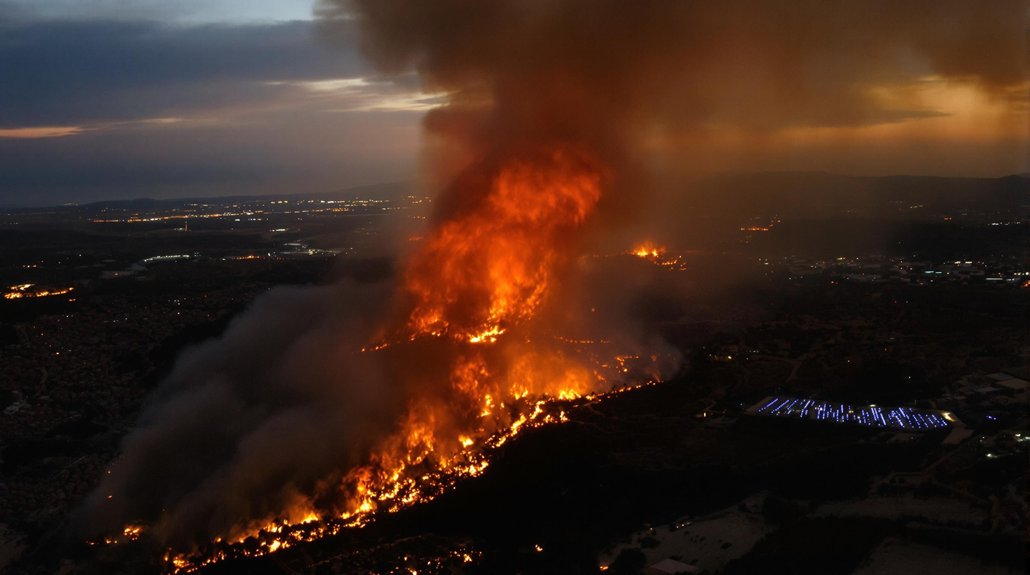

When California finally decided to stop playing defense against wildfires, things got interesting. The state’s throwing everything at the problem now—AI, drones, and a hefty $1.5 billion budget shift that says they’re done watching neighborhoods burn. About time.
California’s done playing defense—AI, drones, and $1.5 billion say neighborhoods burning is no longer acceptable.
The Governor’s Wildfire and Forest Resilience Task Force dropped 25 deliverables for 2025. Translation: they’re actually doing something instead of just talking about it. Home hardening strategies are rolling out for high-risk areas because apparently, people need to be told their wooden decks are fire magnets.
Meanwhile, prescribed fire training programs are expanding. Yes, fighting fire with fire. Transformative concept that indigenous communities have only been using for centuries. Controlled burns are being implemented across the state to reduce dangerous fuel loads that have accumulated over decades.
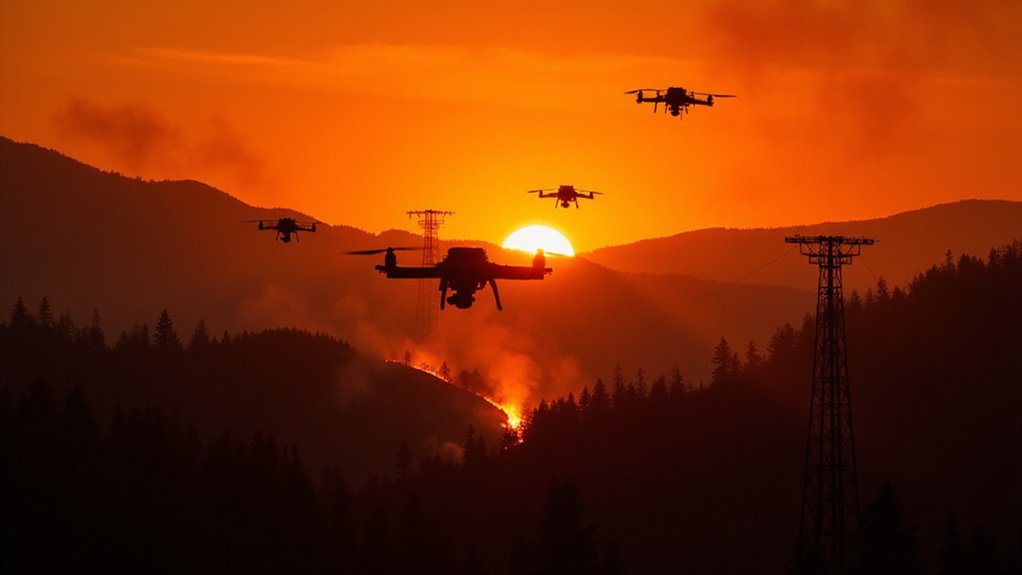
Here’s where it gets sci-fi. Artificial intelligence and drones are patrolling California skies, spotting fires before some hiker with a smartphone can post about it on Instagram. Real-time detection, behavior prediction, resource optimization—the whole tech arsenal. AI systems can now detect fires as small as 5m x 5m areas while reducing response times by up to 30 minutes.
They’ve even got interagency tracking systems because coordination between government departments is apparently harder than rocket science.
The state’s finally addressing the elephant in the room: dead trees. Hazardous vegetation removal, strategic fuel breaks, timber harvesting incentives—basically admitting that maybe letting forests turn into tinderboxes wasn’t the best plan.
Private landowners, feds, and state agencies are supposedly working together now. We’ll see how long that lasts.
But here’s the twist—they’re bringing back cultural burning practices. Tribal communities are getting state funding to do what they’ve always known works.
There’s even an online permitting system for prescribed burns because bureaucracy never sleeps, even when common sense shows up. Governor Newsom’s State of Emergency declaration in March 2025 aims to cut through the red tape that’s been choking prevention efforts for years.
The legislature threw $170 million at prevention projects, and there’s a statewide claims fund for prescribed burning liability. Because nothing says “we’re serious” like protecting people from lawsuits when they’re trying to save the state from burning down.
Task Force members are incorporating lessons from recent fires into future strategies. Shocking that it takes entire towns disappearing to figure out what needs changing.
But hey, at least they’re finally treating wildfire like the existential threat it is instead of an inconvenient annual tradition.
References
- https://www.gov.ca.gov/2025/04/03/what-theyre-saying-californias-25-key-deliverables-for-2025-to-protect-communities-from-wildfire/
- https://www.whitehouse.gov/fact-sheets/2025/06/fact-sheet-president-donald-j-trump-empowers-commonsense-wildfire-prevention-and-response/
- https://www.csda.net/blogs/kristin-withrow1/2025/03/11/fast-tracking-wildfire-prevention-projects
- https://wildfiretaskforce.org
- https://wildfiretaskforce.org/wp-content/uploads/2022/05/californias-strategic-plan-for-expanding-the-use-of-beneficial-fire.pdf