
While the climate crisis keeps intensifying globally, California just scored a win. The Golden State cut its greenhouse gas emissions by 3.0% in 2023 compared to 2022, marking the third-largest annual percentage decrease since tracking began in 2000. Not too shabby for a state that’s been fighting an uphill battle against climate change for decades.
The numbers don’t lie. California’s statewide emissions totaled 360.4 million metric tons of carbon dioxide equivalent last year, continuing the downward trend that saw a 2.4% drop from 2021 to 2022. That’s like removing over 2.6 million gas-guzzling cars from the road for an entire year. Take that, traffic jams.
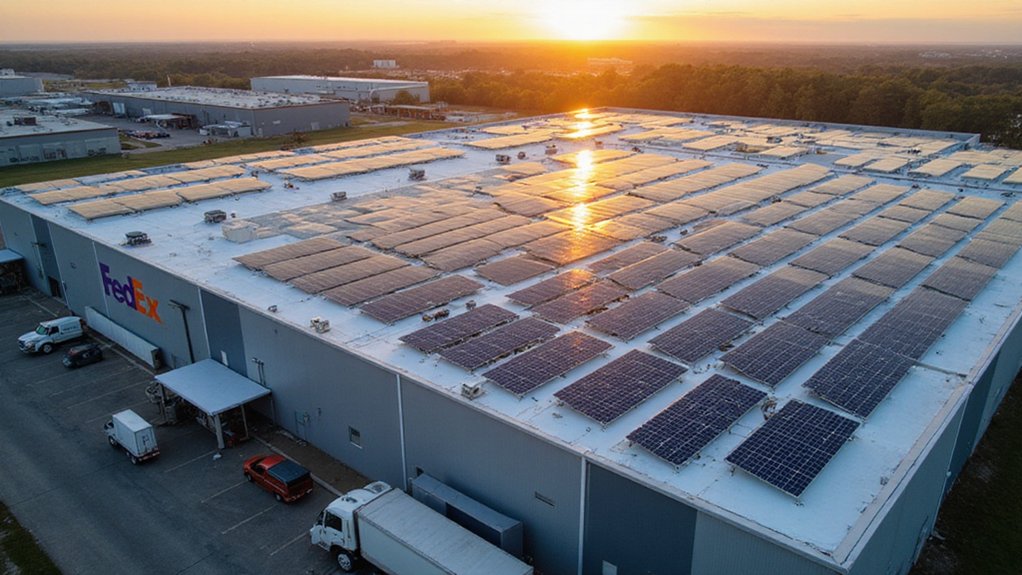
What’s driving this success? Clean transportation, for one. Californians are swapping their gas cars for electric ones faster than you can say “zero emissions.” Renewable electricity is booming too, with solar generation skyrocketing and renewables now making up over half the power supply. The transportation sector showed particular progress with a 4.6% decrease in emissions from 2022 to 2023.
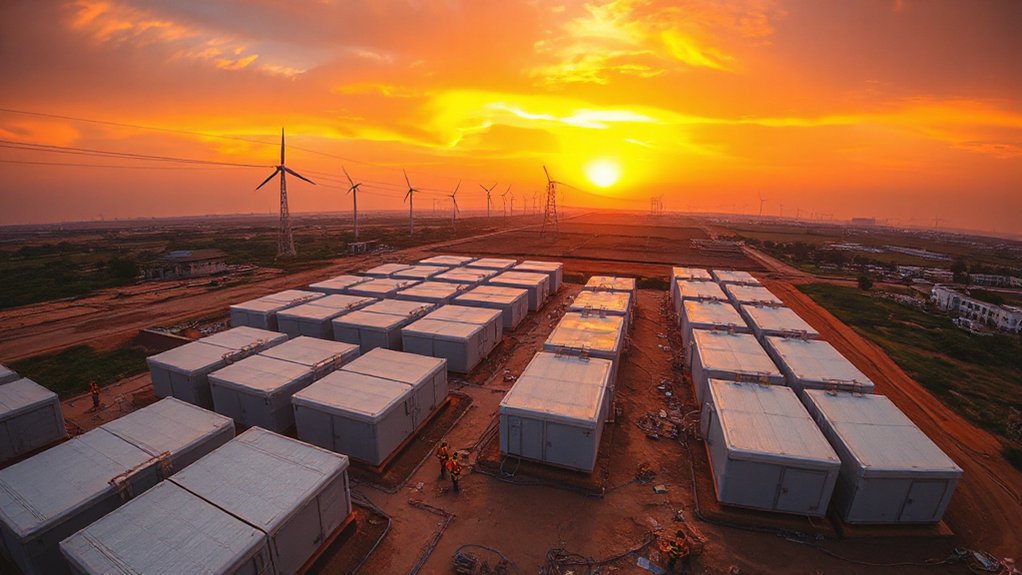
Battery storage is also exploding – not literally, thankfully – enabling more solar and wind power integration while shoving fossil fuels aside. The state’s been busy retiring natural gas capacity – 10.3 gigawatts gone since 2015 – while adding a whopping 34 gigawatts of utility-scale solar. This expansion aligns with global trends, as renewable portfolio standards encourage utilities to transition toward greener energy sources.
Policy measures like cap-and-trade and vehicle electrification incentives created the market conditions for this decarbonization sprint. The state managed this emissions reduction while its economy still grew, with GDP per capita increasing by 2.3% in the same period.
Still, it’s not all sunshine and rainbows. Current progress is running behind schedule. California’s emissions are now 21% below 2000 levels, but to hit the 2030 target, they’ll need annual reductions of 4.4% – considerably more than the recent five-year average of 2.8%.
At the current pace, they’ll hit their 2030 goal around 2035. The long-term challenge is even steeper. Reaching the 2045 goal means cutting emissions by about 9% yearly after 2030. Ambitious? Yes. Impossible? We’ll see.
But for now, California can celebrate this victory lap – before getting back to work.
References
- https://www.next10.org/publications/2025-gii
- https://cleantechnica.com/2025/12/23/california-records-one-of-its-single-largest-drops-in-climate-pollution-on-record/
- https://www.gov.ca.gov/2025/11/06/world-leading-economy-and-climate-solutions-californias-emissions-drop-in-2023-driven-by-clean-transportation/
- https://news.stanford.edu/stories/2025/09/carbon-free-california-net-zero-emissions-technologies-challenges
- https://www.c2es.org/content/california-cap-and-trade/
- https://www.kqed.org/science/1999616/california-lowers-climate-pollution-by-3-report-finds
- https://www.csgcalifornia.com/blog/analyzing-californias-greenhouse-gas-reduction-fund
- https://greeninnovationindex.org/2025-edition/carbon-economy/
- https://ww2.arb.ca.gov/ghg-inventory-data
- https://www.next10.org/sites/default/files/2025-12/GII2025_Key Findings_FINAL.pdf